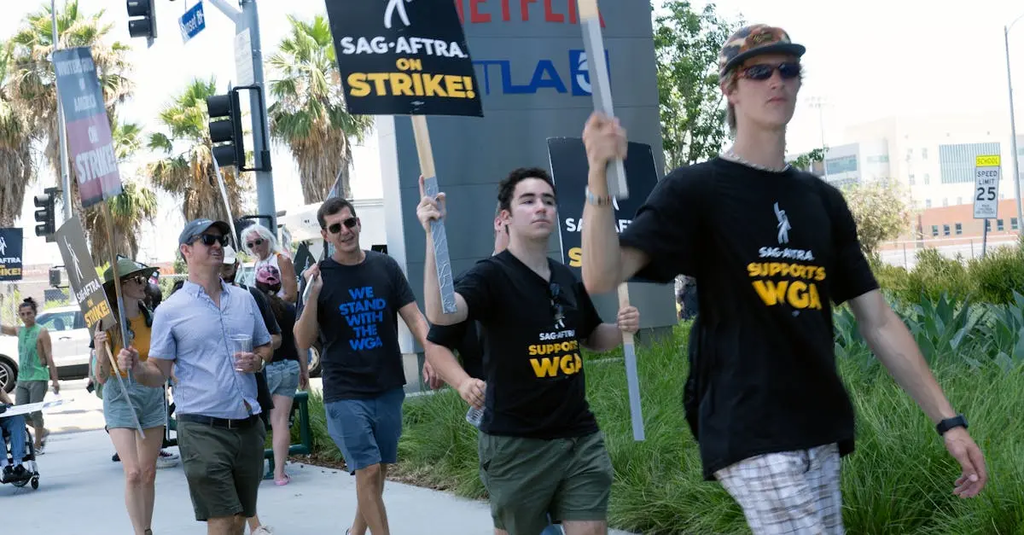
Union rules for SAG-AFTRA, DGA, and IATSE set standards for working conditions, wages, hours, and benefits in film and television. SAG-AFTRA covers actors and media professionals, DGA represents directors and their teams, while IATSE covers technical and craft workers. Their rules ensure fair treatment, safety, and proper compensation, requiring employers to follow specific guidelines regarding contracts, overtime, breaks, and workplace safety for all union members.
Union Rules: SAG-AFTRA, DGA, and IATSE Basics
Union rules for SAG-AFTRA, DGA, and IATSE set standards for working conditions, wages, hours, and benefits in film and television. SAG-AFTRA covers actors and media professionals, DGA represents directors and their teams, while IATSE covers technical and craft workers. Their rules ensure fair treatment, safety, and proper compensation, requiring employers to follow specific guidelines regarding contracts, overtime, breaks, and workplace safety for all union members.
💡 Key Takeaways
- Understand which professionals SAG-AFTRA, DGA, and IATSE represent on film/TV sets and why that matters for protections.
- Know the main contract topics these unions govern—wages, hours, benefits, safety, and working conditions.
- Learn how overtime, breaks, and grievance procedures are handled under each union's rules.
- Discover how to engage with the unions: eligibility, dues, and what to expect when hiring or working under a union contract.
❓ Frequently Asked Questions
What is SAG-AFTRA and who does it cover?
SAG-AFTRA is the union for actors and media professionals in film, TV, radio, and digital media. It covers performers such as actors, voice artists, announcers, stunt performers, and related media talent under negotiated contracts.
What is DGA and who does it cover?
The Directors Guild of America represents directors and key members of the directing team, including assistant directors and unit production managers, primarily on film and television productions, through collective bargaining.
What is IATSE and who does it cover?
The International Alliance of Theatrical Stage Employees covers technical and craft crews behind the scenes, such as camera, lighting, grip, art department, wardrobe, hair and makeup, sound, and related roles on set.
How do union rules affect wages, hours, and benefits in film and TV?
Unions negotiate contracts that specify minimum wages, overtime rules, maximum working hours, meal/rest breaks, and benefits like health insurance and pensions, ensuring fair working conditions for members on covered productions.