Universal Design and Inclusive Wayfinding in construction technology refers to creating environments and navigation systems that are accessible and usable by everyone, regardless of age, ability, or background. This approach integrates features like clear signage, tactile surfaces, auditory cues, and digital aids to ensure all individuals—such as those with disabilities—can easily find their way within buildings or public spaces, promoting equity, safety, and independence in built environments.
Universal Design and Inclusive Wayfinding
Universal Design and Inclusive Wayfinding in construction technology refers to creating environments and navigation systems that are accessible and usable by everyone, regardless of age, ability, or background. This approach integrates features like clear signage, tactile surfaces, auditory cues, and digital aids to ensure all individuals—such as those with disabilities—can easily find their way within buildings or public spaces, promoting equity, safety, and independence in built environments.
💡 Key Takeaways
- Understand universal design principles and why inclusive wayfinding benefits all users.
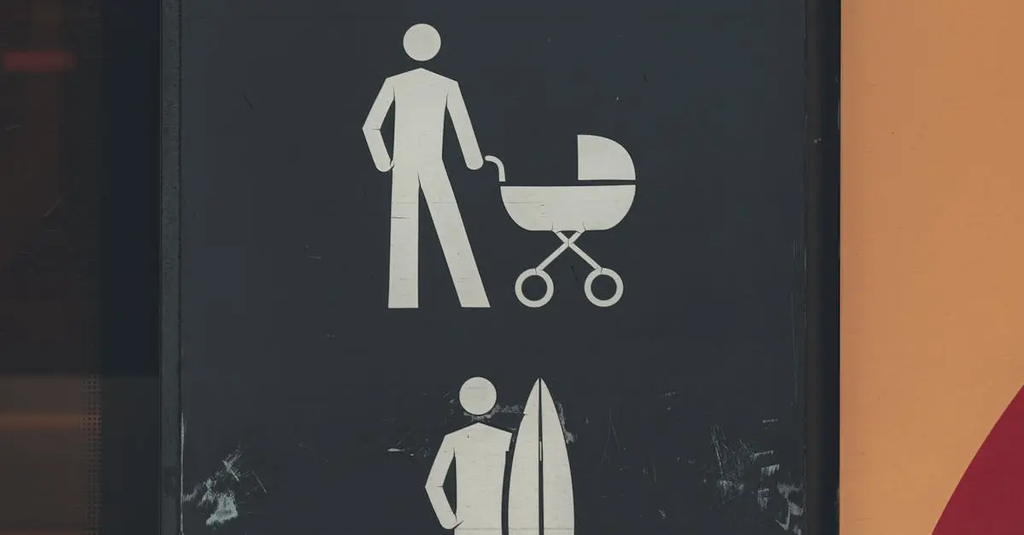
- Identify accessible signage elements: clear typography, high contrast, simple icons, and plain language.
- Apply inclusive layout strategies that support people with visual, mobility, cognitive, or sensory differences.
- Evaluate wayfinding systems using accessibility standards and user feedback to drive improvements.
- Explore real-world examples of inclusive wayfinding and common barriers to avoid.
❓ Frequently Asked Questions
What is universal design?
An approach to designing products and environments so they can be used by the widest range of people without needing adaptation.
What is inclusive wayfinding?
Navigation that helps people of all abilities by using clear, multimodal cues and consistent signals.
What are the core universal design principles for wayfinding?
Equitable use; Flexible use; Simple and intuitive; Perceptible information; Tolerance for error; Low physical effort; and appropriate size and space for approach and use.
How can signage and paths be made more accessible?
Use high-contrast, readable type; plain language; tactile or Braille signs; audible cues; consistent icons; multilingual options; and accessible routes with clear landmarks.