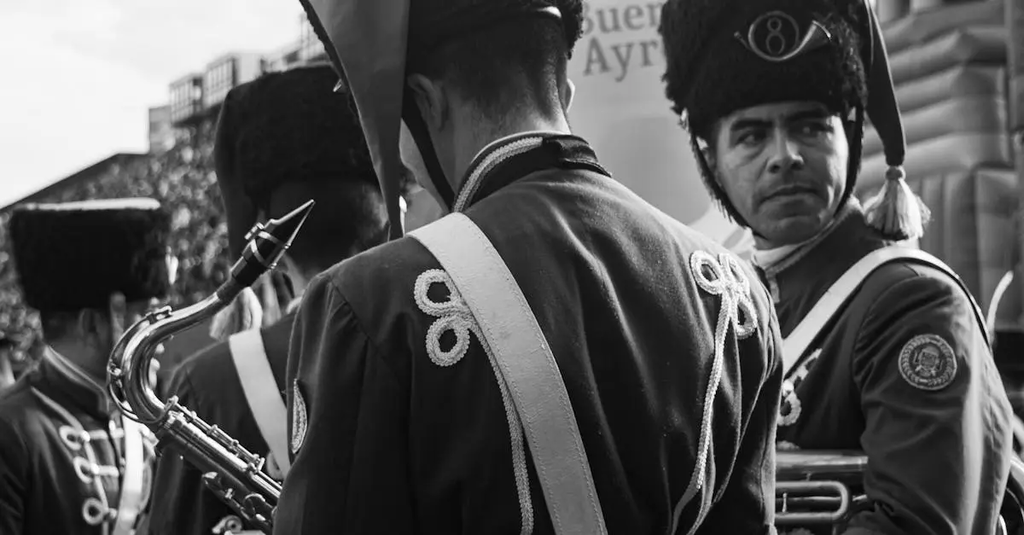
Universal Rights refer to the belief that certain rights are inherent to all humans, regardless of culture, religion, or society. In contrast, Cultural Relativism argues that values and rights are shaped by cultural contexts and should be interpreted accordingly. This debate centers on whether human rights should be applied universally or adapted to respect cultural, religious, and societal differences, often leading to tensions between global standards and local traditions.
Universal Rights vs Cultural Relativism
Universal Rights refer to the belief that certain rights are inherent to all humans, regardless of culture, religion, or society. In contrast, Cultural Relativism argues that values and rights are shaped by cultural contexts and should be interpreted accordingly. This debate centers on whether human rights should be applied universally or adapted to respect cultural, religious, and societal differences, often leading to tensions between global standards and local traditions.
💡 Key Takeaways
- Understand the difference between universal human rights and cultural relativism and why the debate matters.
- Compare arguments for protecting universal rights with arguments for respecting cultural practices and norms.
- Analyze real-world tensions where universal rights clash with local customs through simple case-study prompts.
- Identify criteria to decide when universal norms should guide policy and when local context should influence decisions.
❓ Frequently Asked Questions
What are universal human rights?
Universal human rights are the basic rights every person has simply by being human—life, liberty, safety, equality, and freedom from torture—regardless of nationality, culture, or beliefs.
What is cultural relativism?
Cultural relativism is the idea that moral norms and rights should be understood within their own culture; what is right in one culture may not be the same in another.
Why can universal rights conflict with cultural practices?
Some practices that are culturally accepted may violate universal rights, creating tension between protecting individuals and respecting cultural diversity.
How can we balance universal rights with cultural contexts?
Use international human rights standards as a baseline, engage communities in dialogue, and adapt practices so they protect core rights while respecting cultural differences.