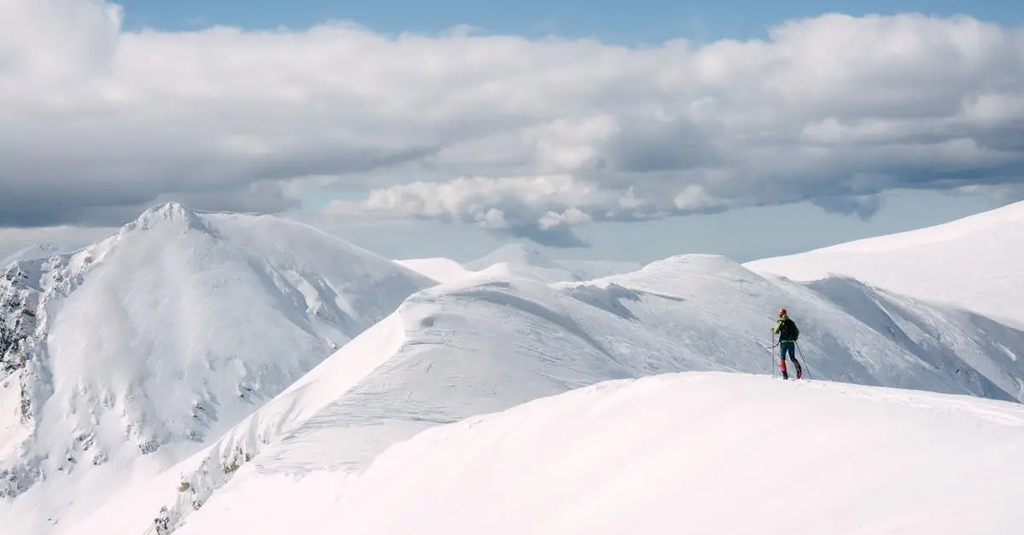
Unsupported polar crossings refer to expeditions across the polar regions, such as the Arctic or Antarctic, where individuals or teams travel without any external assistance. This means they do not receive resupplies, mechanical support, or outside help during the journey. All necessary equipment, food, and supplies must be carried from the start, making these crossings extremely challenging and a true test of endurance, self-sufficiency, and survival skills.
Unsupported Polar Crossings
Unsupported polar crossings refer to expeditions across the polar regions, such as the Arctic or Antarctic, where individuals or teams travel without any external assistance. This means they do not receive resupplies, mechanical support, or outside help during the journey. All necessary equipment, food, and supplies must be carried from the start, making these crossings extremely challenging and a true test of endurance, self-sufficiency, and survival skills.

💡 Key Takeaways
- Understand the key risks of unsupported polar crossings (isolation, extreme cold, crevasses, equipment failure) and why thorough preparation is essential.
- Identify self-sufficiency needs: navigation, shelter, food and fuel, medical supplies, and energy management.
- Learn decision-making under pressure: route selection, weather assessment, and contingency planning when help is unavailable.
- Build training and conditioning: physical fitness, acclimatization, technical skills, and psychological resilience.
- Practice environmental ethics: minimizing impact, waste management, and respect for polar ecosystems.
❓ Frequently Asked Questions
What is an unsupported polar crossing?
An expedition across Arctic or Antarctic regions undertaken without external assistance, resupply, or outside support, where explorers carry all gear and rely on self-sufficiency.
What does 'unsupported' mean for supplies and help?
Participants must carry all food, fuel, clothing, and equipment; no resupply or outside rescue is planned or allowed during the journey.
What are the main risks and challenges?
Extreme cold, severe weather, whiteouts, crevasses, ice movement, equipment failure, and isolation—conditions can change rapidly and test limits.
What kind of preparation is typical?
Extensive physical training, navigation and survival skills, gear testing, route and weather planning, and contingency planning for emergencies.
How is it different from a supported polar expedition?
Supported expeditions receive resupply, guides, and outside assistance; unsupported crossings require self-reliance from start to finish.