Unusual weather phenomena unique to America include events like "thundersnow," where thunderstorms produce snow instead of rain, and "supercell" tornado outbreaks, especially in Tornado Alley. The United States also experiences dust devils in deserts, lake-effect snow around the Great Lakes, and derechos—long, fast-moving windstorms. These phenomena result from the continent’s diverse geography, vast size, and the meeting of different air masses, making America’s weather especially varied and sometimes extreme.
Unusual Weather Phenomena Unique to America+50
Unusual weather phenomena unique to America include events like "thundersnow," where thunderstorms produce snow instead of rain, and "supercell" tornado outbreaks, especially in Tornado Alley. The United States also experiences dust devils in deserts, lake-effect snow around the Great Lakes, and derechos—long, fast-moving windstorms. These phenomena result from the continent’s diverse geography, vast size, and the meeting of different air masses, making America’s weather especially varied and sometimes extreme.
💡 Key Takeaways
- What thundersnow is and how snow can fall from a thunderstorm instead of rain.
- What a supercell is and why rotating storms can trigger large tornado outbreaks in Tornado Alley.
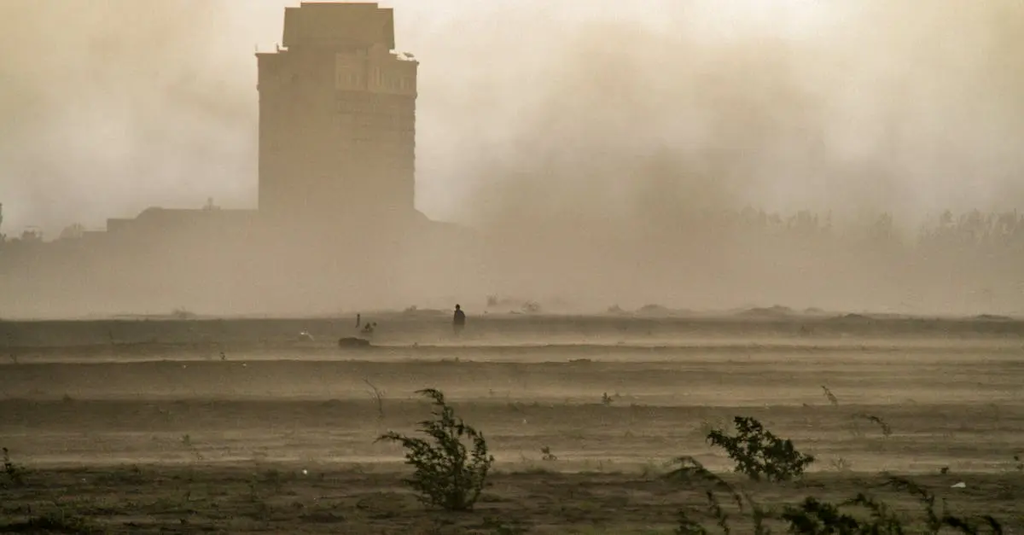
- What dust devils are and how extremely hot, dry desert conditions spawn these spinning dust columns.
- What lake-effect snow is and why it forms when cold air moves over warmer Great Lakes waters.
- What a derecho is and how long-lasting lines of severe thunderstorms can produce widespread damaging winds.
❓ Frequently Asked Questions
What is thundersnow?
A winter thunderstorm that brings snow instead of rain. It forms when strong updrafts occur in cold air, often near the Great Lakes or mountains. Safety: treat like a regular thunderstorm and seek shelter if storms move in.
What are supercell tornado outbreaks and where is Tornado Alley?
Supercells are powerful, rotating thunderstorms capable of producing multiple tornadoes. Tornado Alley is a central U.S. region (the Great Plains) with high tornado activity, especially in spring.
What is a derecho?
A long-lasting area-wide wind event caused by a cluster of thunderstorms, producing damaging straight-line winds that can travel hundreds of miles, common in the Midwest and Southeast.
What are dust devils and where do they occur in America?
Small, swirling columns of dust formed by intense surface heating in deserts; common in the American Southwest. They’re usually brief but can reduce visibility.
What causes lake-effect snow around the Great Lakes?
Cold air moving over relatively warm lake water picks up moisture and deposits it as heavy snow on the downwind shores, typically in late fall to early winter.