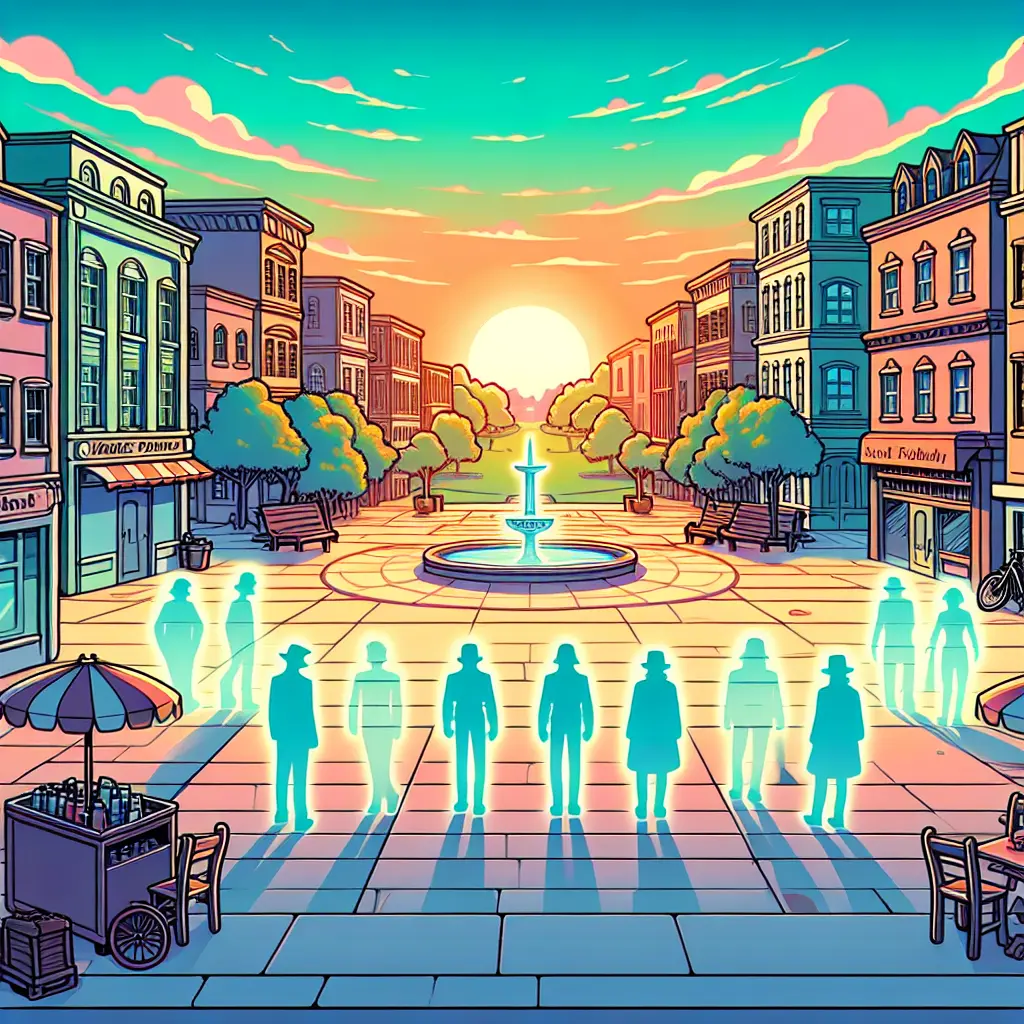
Urban legends are widely circulated stories, often presented as true, that contain elements of mystery, horror, or humor. They typically reflect societal fears or moral lessons and are passed down through word of mouth, social media, or other forms of communication. Despite their plausibility, urban legends are usually unverified or exaggerated, blurring the line between fact and fiction. These tales can evolve over time, adapting to different cultures and contexts.
Urban Legends+35
Urban legends are widely circulated stories, often presented as true, that contain elements of mystery, horror, or humor. They typically reflect societal fears or moral lessons and are passed down through word of mouth, social media, or other forms of communication. Despite their plausibility, urban legends are usually unverified or exaggerated, blurring the line between fact and fiction. These tales can evolve over time, adapting to different cultures and contexts.
💡 Key Takeaways
- Define what urban legends are and how they differ from verified information.
- Identify common themes such as mystery, horror, humor, and moral lessons.
- Explain how urban legends spread through word of mouth, social media, and other channels.
- Analyze what these stories reveal about societal fears and cultural values, and how to critically assess their plausibility.
❓ Frequently Asked Questions
What is an urban legend?
An urban legend is a modern folklore tale circulated as truth, often involving mystery, horror, or humor. They reflect societal fears or lessons and spread through word of mouth or digital media.
How can you tell if a story is an urban legend?
Look for sensational claims, specific but unverifiable details, anecdotal evidence, and repeated motifs across many sources. Check for a lack of credible sourcing and verify with reliable outlets.
What’s the difference between urban legends and myths?
Urban legends are contemporary, plausible stories about modern life with a moral or cautionary twist. Myths are traditional stories explaining origins or natural phenomena, often involving gods or supernatural beings.
Why do urban legends persist and spread widely?
They tap into common fears or social issues, are memorable and easily shared, and adapt to new technologies and contexts, making them feel relevant and believable.