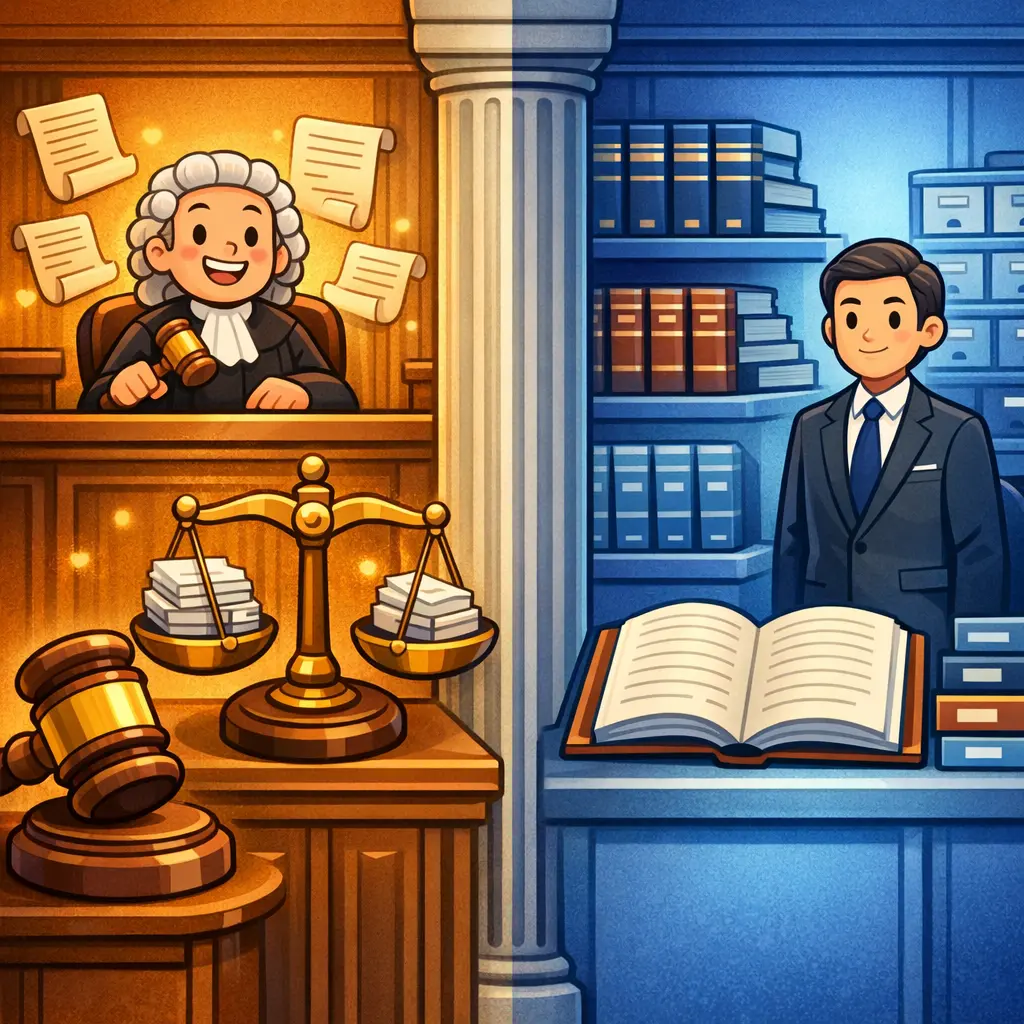
Urban Policy, Planning & Land-Use Governance refers to the frameworks and processes through which cities and municipalities manage growth, development, and resource allocation. It involves creating and enforcing laws, regulations, and policies that guide land use, zoning, infrastructure, and public services. This field ensures sustainable urban development, balances competing interests, addresses social equity, and coordinates government actions to create livable, efficient, and resilient urban environments.
Urban Policy, Planning & Land‑Use Governance
Urban Policy, Planning & Land-Use Governance refers to the frameworks and processes through which cities and municipalities manage growth, development, and resource allocation. It involves creating and enforcing laws, regulations, and policies that guide land use, zoning, infrastructure, and public services. This field ensures sustainable urban development, balances competing interests, addresses social equity, and coordinates government actions to create livable, efficient, and resilient urban environments.

💡 Key Takeaways
- Understand how urban policy influences land use and development outcomes.
- Identify core land-use tools (zoning, overlays, permits) and their roles.
- Learn the planning process from policy formulation to implementation and monitoring.
- Explore governance structures, stakeholder engagement, and inter-agency coordination in urban land-use decisions.
❓ Frequently Asked Questions
What is urban policy, and what does it aim to achieve?
Urban policy refers to government strategies that guide the growth and management of cities, including housing, transportation, economy, and services, with the goal of improving livability, equity, and resilience.
What is land-use governance and how does it relate to planning?
Land-use governance is the decision-making framework (laws, institutions, processes) for how land is developed and used. Planning provides the technical design and regulations that implement those decisions.
What is zoning and why is it important in urban planning?
Zoning designates land for specific uses (residential, commercial, industrial) and sets rules on density and building design. It shapes development patterns, compatibility, and public welfare.
Who are the main actors in urban planning and land-use governance?
Government agencies, urban planners, developers, community groups, residents, and businesses collaborate to create plans, set regulations, and approve projects.
How can public participation and equity be integrated into urban planning?
Engaging communities—especially underserved groups—in goals, plans, and decisions helps address diverse needs, reduce disparities, and improve access to housing, jobs, and services.