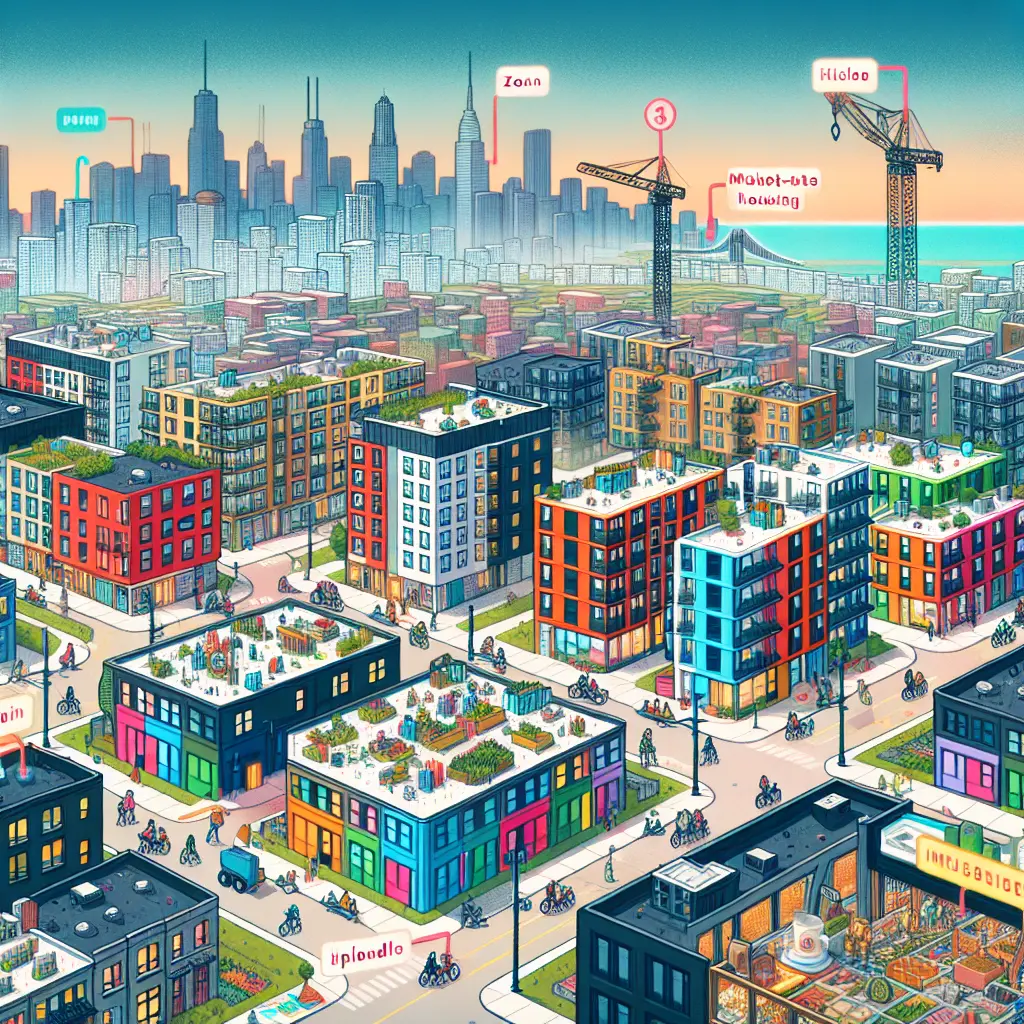
Urban policy concerning planning reform and housing supply focuses on updating regulations and processes that govern city development to better meet current and future housing needs. By reforming planning policies, governments aim to streamline approval processes, encourage higher-density development, and remove barriers to construction. This approach seeks to increase the availability and affordability of housing, address urban growth challenges, and promote sustainable, well-designed communities within cities.
Urban policy: planning reform and housing supply
Urban policy concerning planning reform and housing supply focuses on updating regulations and processes that govern city development to better meet current and future housing needs. By reforming planning policies, governments aim to streamline approval processes, encourage higher-density development, and remove barriers to construction. This approach seeks to increase the availability and affordability of housing, address urban growth challenges, and promote sustainable, well-designed communities within cities.
💡 Key Takeaways
- Understand how planning reform can streamline planning approvals to speed up housing delivery in UK cities.
- Explain how higher-density development can boost housing supply and shape urban form and infrastructure needs.
- Identify the main policy tools and reforms used to incentivize housing growth through planning changes (e.g., faster decision timelines, regulatory simplifications, and flexible zoning).
- Evaluate potential trade-offs of planning reform, including environmental impacts, infrastructure capacity, affordability, and community engagement.
❓ Frequently Asked Questions
What is planning reform in urban policy?
Planning reform refers to updates to the rules and processes that govern city development, aimed at better meeting current and future housing needs.
How might planning reform speed up the delivery of new homes?
By streamlining approval processes and clarifying rules, reform can reduce delays and speed up from proposal to construction.
What does higher-density development mean and why is it promoted?
Higher-density development means more housing units on the same land area, often through taller buildings or compact layouts, to increase housing supply in urban areas.
What are common concerns about planning reform?
Concerns include potential loss of local input, environmental or design impacts, and ensuring infrastructure and services keep pace with new housing.