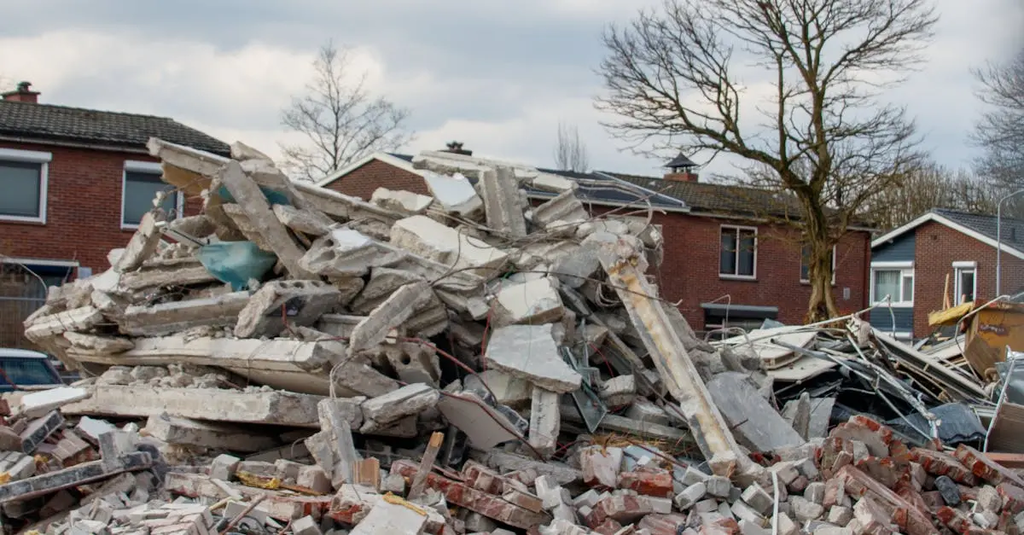
Urban regeneration and brownfield redevelopment refer to the revitalization of neglected or underused urban areas, often previously industrial sites, known as brownfields. This process involves cleaning up environmental hazards, upgrading infrastructure, and repurposing land for new uses such as housing, commercial spaces, or green areas. It aims to improve urban environments, stimulate economic growth, and make efficient use of existing land, reducing urban sprawl and enhancing community well-being.
Urban Regeneration and Brownfield Redevelopment
Urban regeneration and brownfield redevelopment refer to the revitalization of neglected or underused urban areas, often previously industrial sites, known as brownfields. This process involves cleaning up environmental hazards, upgrading infrastructure, and repurposing land for new uses such as housing, commercial spaces, or green areas. It aims to improve urban environments, stimulate economic growth, and make efficient use of existing land, reducing urban sprawl and enhancing community well-being.
💡 Key Takeaways
- Define urban regeneration and the role of brownfield sites in reviving neighborhoods.
- Identify common challenges of brownfield redevelopment (contamination, cleanup costs, liability) and typical solutions.
- Compare brownfield redevelopment with greenfield development and discuss sustainability and community benefits.
- Outline the main stages of a brownfield project from site assessment to redevelopment and community engagement.
❓ Frequently Asked Questions
What is urban regeneration?
A set of strategies and projects aimed at revitalizing distressed urban areas by improving housing, jobs, transport, and public spaces.
What is a brownfield site?
A previously developed urban site that may be contaminated and unused, but has potential for redevelopment after cleanup.
Why redevelop brownfields instead of greenfields?
Redeveloping brownfields helps reuse existing infrastructure, reduces urban sprawl, protects natural areas, and can stimulate local economies.
What are the common steps in brownfield redevelopment?
Site assessment, contamination cleanup planning, risk management, community engagement, zoning/financing, and project delivery.
What incentives or tools support brownfield redevelopment?
Grants or loans for cleanup, tax credits or incentives, tax increment financing, regulatory relief, and streamlined permitting.