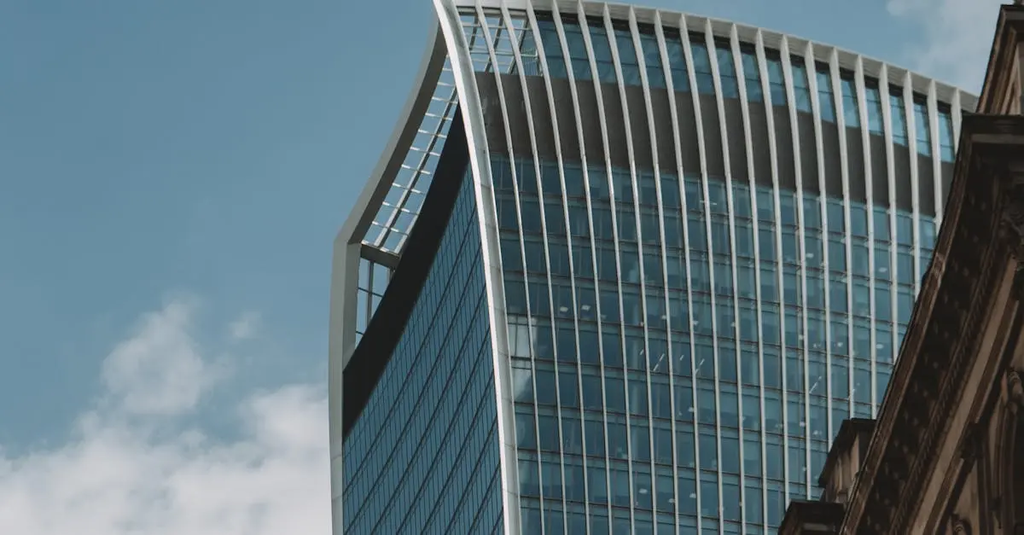
Urban regeneration areas in the UK are districts targeted for revitalization to address economic decline, social challenges, and physical deterioration. These projects aim to improve infrastructure, attract investment, and enhance quality of life through new housing, public spaces, and amenities. Often located in former industrial zones or deprived neighborhoods, regeneration initiatives involve collaboration between government, private sector, and local communities to foster sustainable growth, reduce inequality, and create vibrant, inclusive urban environments.
Urban regeneration areas in the UK
Urban regeneration areas in the UK are districts targeted for revitalization to address economic decline, social challenges, and physical deterioration. These projects aim to improve infrastructure, attract investment, and enhance quality of life through new housing, public spaces, and amenities. Often located in former industrial zones or deprived neighborhoods, regeneration initiatives involve collaboration between government, private sector, and local communities to foster sustainable growth, reduce inequality, and create vibrant, inclusive urban environments.
💡 Key Takeaways
- Understand what urban regeneration areas are in the UK and why they are designated.
- Identify the economic, social, and physical challenges these areas target.
- Describe common regeneration strategies, including infrastructure upgrades, attracting investment, and delivering new housing, public spaces, and amenities.
- Explain how success is measured and what outcomes are pursued (e.g., jobs, better services, improved quality of life).
- Discuss potential challenges and considerations, such as funding, stakeholder involvement, and issues around displacement or gentrification.
❓ Frequently Asked Questions
What are urban regeneration areas (URAs) in the UK?
URAs are districts designated for targeted revitalization to tackle economic decline, social problems, and physical deterioration, with aims to improve infrastructure, attract investment, and raise quality of life through new housing, public spaces, and amenities.
What kinds of improvements are typical in urban regeneration projects?
Improvements often include new or refurbished housing, upgraded streets and public spaces, better transport links and infrastructure, and support for local businesses and employment opportunities.
Who leads and funds urban regeneration in the UK?
Regeneration is led by local authorities and regional partners, with funding from national government programs, grants, and sometimes private investment or development partnerships.
What challenges do urban regeneration areas commonly face?
Challenges include affordability and avoiding displacement, coordinating multiple stakeholders, ensuring long-term sustainability, and balancing growth with community needs.