"Using a Compass (Survival Stories)" refers to real-life accounts or narratives where individuals rely on a compass as a crucial tool for navigation during survival situations. These stories highlight the importance of knowing how to use a compass to determine direction, find one’s way in unfamiliar or challenging environments, and ultimately ensure safety. Such tales often emphasize quick thinking, resourcefulness, and the basic skills required to survive in the wilderness.
Using a Compass
"Using a Compass (Survival Stories)" refers to real-life accounts or narratives where individuals rely on a compass as a crucial tool for navigation during survival situations. These stories highlight the importance of knowing how to use a compass to determine direction, find one’s way in unfamiliar or challenging environments, and ultimately ensure safety. Such tales often emphasize quick thinking, resourcefulness, and the basic skills required to survive in the wilderness.
💡 Key Takeaways
- Understand how a magnetic compass determines direction and what north represents.
- Learn to read a compass and align it with a map to identify your bearing.
- Set and follow a bearing accurately.
- Account for magnetic declination and adjust navigation accordingly.
- Use pacing, landmarks, and terrain cues to stay on course and stay safe.
❓ Frequently Asked Questions
What is a compass and what are its main parts?
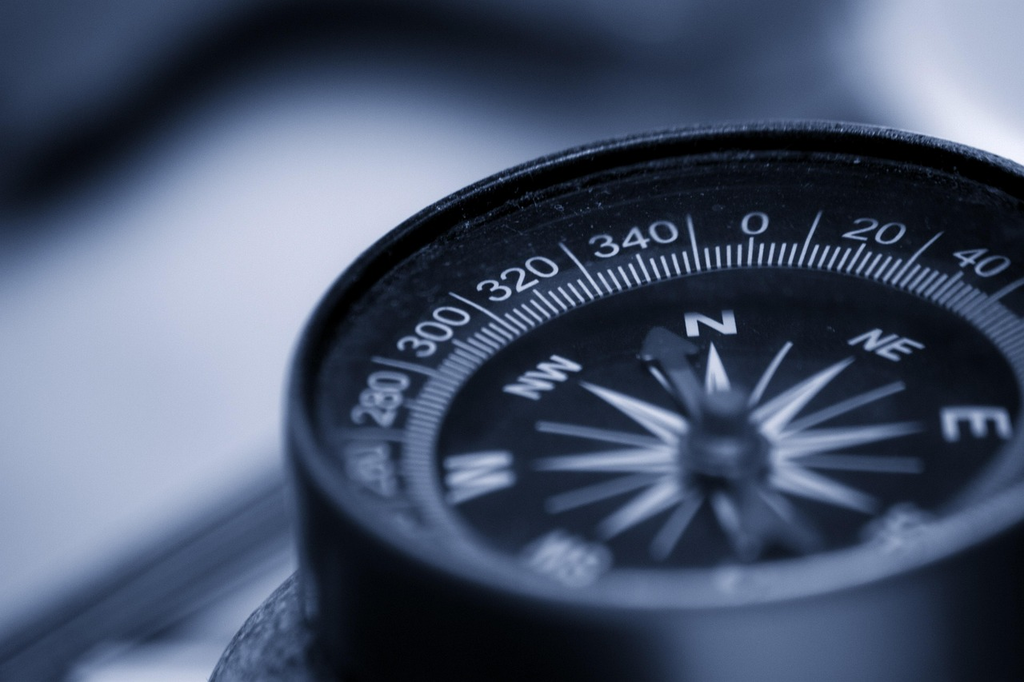
A compass is a navigation tool that uses Earth's magnetic field to show direction. Key parts: magnetized needle (points to magnetic north), a rotating bezel with degree marks, an index line to read bearings, and an orienting arrow.
How do you determine your heading with a magnetic compass?
Hold the compass level. Rotate the bezel until the red end of the needle aligns with the 'N' mark, then read the bearing at the index line.
What is magnetic declination and why adjust for it?
Declination is the angle between magnetic north and true north. To navigate with a map, adjust bearings by the local declination (add if east, subtract if west) or enable the declination setting on the compass if available.
How can you use a compass with a map?
Place the map flat, align its north with the compass (using the needle and declination setting), then use the compass edge to establish a bearing to your destination and walk along that bearing.
What common mistakes should you avoid when using a compass?
Avoid not keeping the compass level, proximity to metal or electronics, not letting the needle settle, reading the wrong end of the needle, ignoring declination, and rechecking bearings after turning.