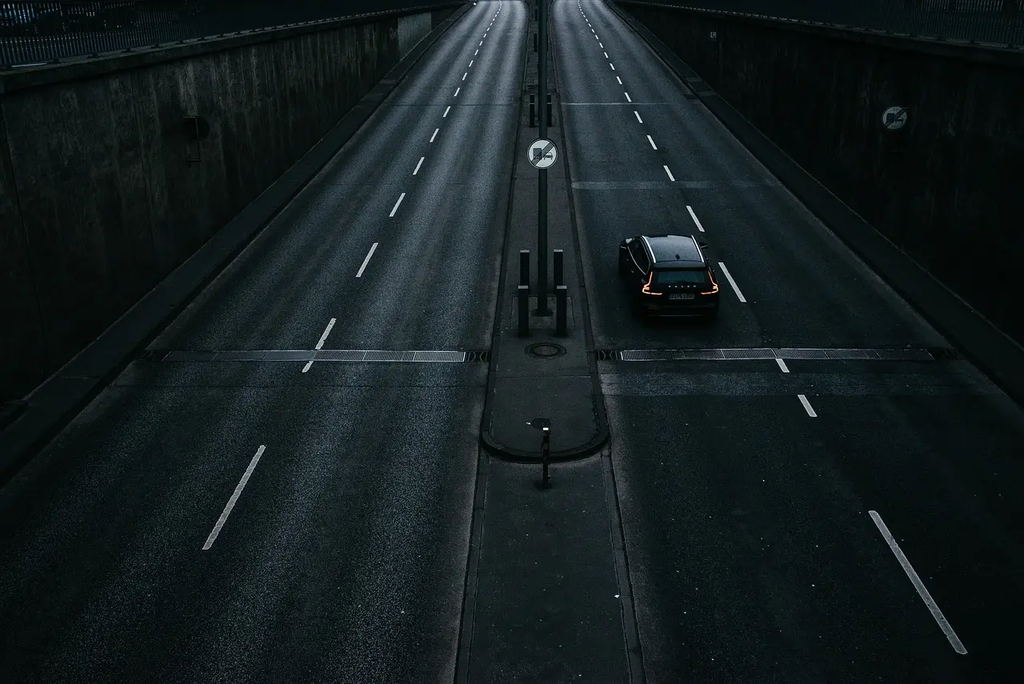
Using headlights and high beams properly ensures safe driving, especially at night or in poor visibility conditions. Headlights should be used from dusk to dawn and in adverse weather to help you see and be seen by others. High beams provide extra visibility on dark roads but must be dimmed when approaching or following other vehicles to avoid blinding other drivers and causing accidents.
Using Headlights and High Beams Properly
Using headlights and high beams properly ensures safe driving, especially at night or in poor visibility conditions. Headlights should be used from dusk to dawn and in adverse weather to help you see and be seen by others. High beams provide extra visibility on dark roads but must be dimmed when approaching or following other vehicles to avoid blinding other drivers and causing accidents.
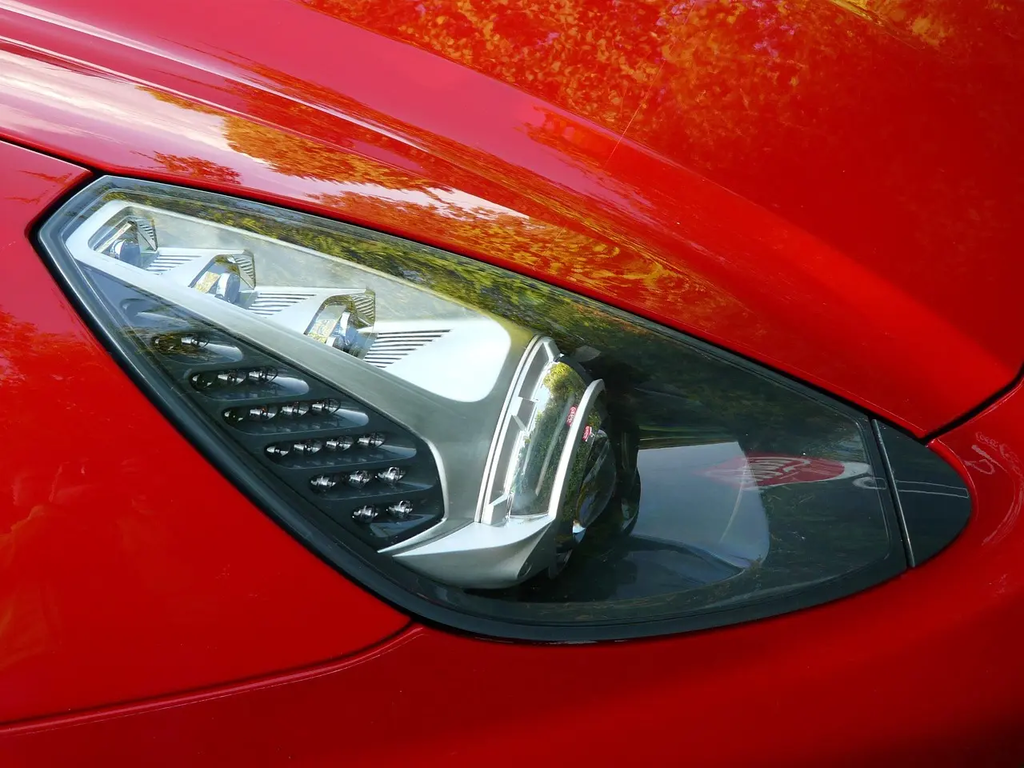
💡 Key Takeaways
- Use headlights from dusk to dawn and in adverse weather to improve visibility and be seen.
- High beams provide longer-range visibility on dark roads; dim them for oncoming traffic or when following another vehicle.
- Switch between low and high beams based on traffic, weather, and road conditions to avoid blinding others.
- Be mindful of pedestrians and cyclists; adjust speed and lighting use to stay safe.
❓ Frequently Asked Questions
When should I use headlights?
Use headlights from dusk to dawn and in poor visibility (rain, fog, snow, or mist). They help you see the road and help others see you.
What is the difference between headlights and high beams?
Headlights provide standard illumination for regular nighttime visibility; high beams are brighter and shine farther ahead, best on very dark, empty roads. Use high beams only when no oncoming traffic or vehicles ahead are in sight.
When should I dim or switch from high beams to low beams?
Dim or switch to low beams when approaching an oncoming vehicle or when you are following another vehicle closely. Return to high beams when safe and appropriate.
Any quick safety tips for using headlights properly?
Keep lenses clean, replace bulbs as needed, ensure proper headlight aim, use auto mode if available, and avoid high beams in traffic or urban areas.