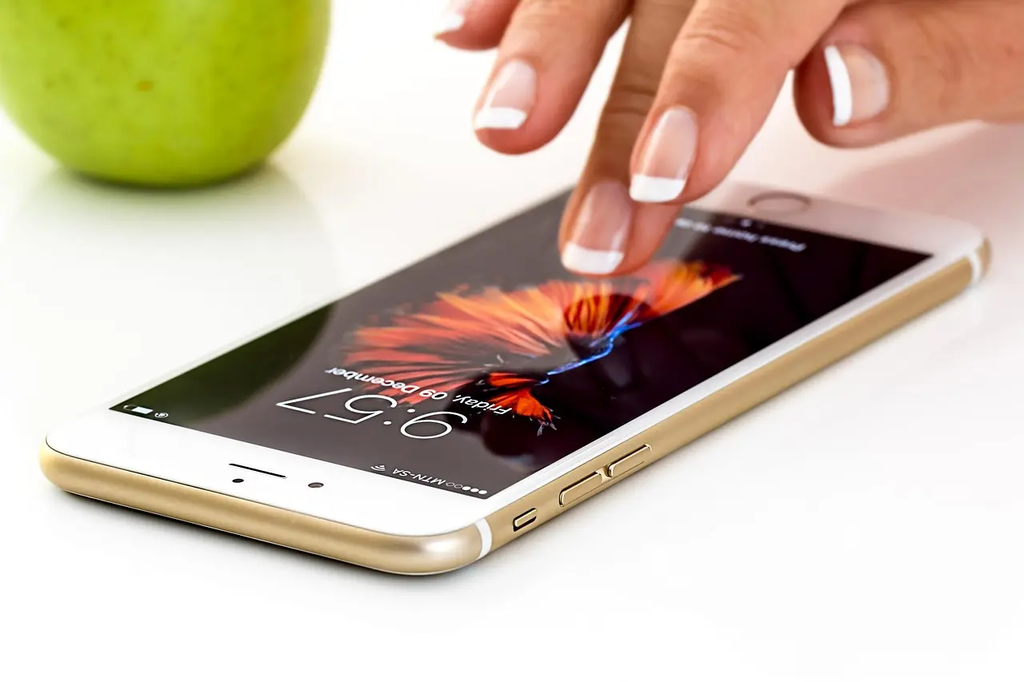
Using mobile payment apps refers to the practice of conducting financial transactions through applications installed on smartphones or other mobile devices. These apps, such as Google Pay, Apple Pay, or Paytm, allow users to pay bills, transfer money, and make purchases securely and conveniently without needing cash or physical cards. They often offer features like transaction history, rewards, and quick authentication, making daily financial activities faster and more efficient.
Using Mobile Payment Apps
Using mobile payment apps refers to the practice of conducting financial transactions through applications installed on smartphones or other mobile devices. These apps, such as Google Pay, Apple Pay, or Paytm, allow users to pay bills, transfer money, and make purchases securely and conveniently without needing cash or physical cards. They often offer features like transaction history, rewards, and quick authentication, making daily financial activities faster and more efficient.
💡 Key Takeaways
- Understand what mobile payment apps are and how they simplify everyday purchases.
- Learn how to set up and link cards or bank accounts in a mobile wallet securely.
- Identify the different payment methods used (NFC tap, QR codes, in-app transfers) and when to use them.
- Recognize basic security tips and privacy considerations to protect your data and funds.
❓ Frequently Asked Questions
What are mobile payment apps and how do they work?
Mobile payment apps store digital versions of your cards and let you pay at checkout using NFC or QR codes. Transactions use tokenization, so the actual card number isn’t shared with the merchant.
How do I set up a mobile payment app?
Install the app, add a card or bank account, complete verification, and enable authentication (fingerprint, face ID, or a passcode).
Are mobile payment apps safe to use?
Yes. They use tokenization, encrypted data, and device-level security. Keep your device updated and enable strong authentication to reduce risk.
Can I use mobile payment apps online and abroad?
Yes for many online purchases and in many countries. Availability depends on the app, your bank, and merchant acceptance. Check coverage before traveling.