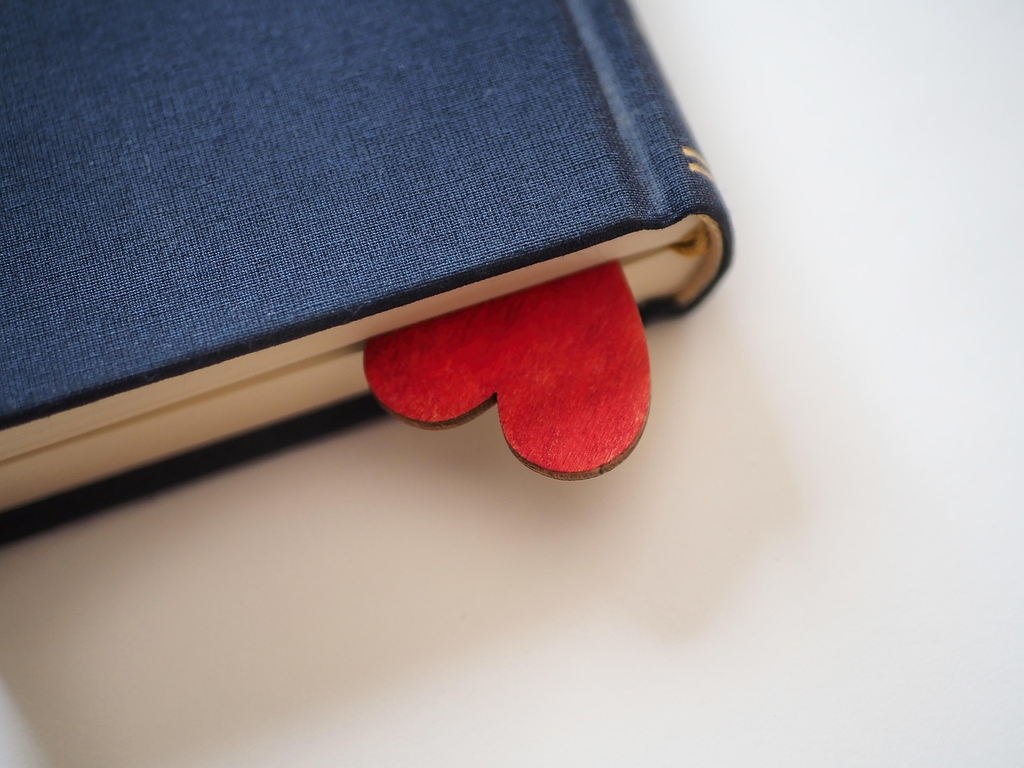
Valentine's Day colors traditionally include shades of red, pink, and white. Red symbolizes love, passion, and romance, while pink represents affection, sweetness, and admiration. White is often associated with purity and new beginnings. These colors are commonly seen in decorations, cards, flowers, and gifts during Valentine's Day celebrations, creating a warm and loving atmosphere that emphasizes the holiday's focus on romantic and affectionate relationships.
Valentine's Day Colors+45
Valentine's Day colors traditionally include shades of red, pink, and white. Red symbolizes love, passion, and romance, while pink represents affection, sweetness, and admiration. White is often associated with purity and new beginnings. These colors are commonly seen in decorations, cards, flowers, and gifts during Valentine's Day celebrations, creating a warm and loving atmosphere that emphasizes the holiday's focus on romantic and affectionate relationships.
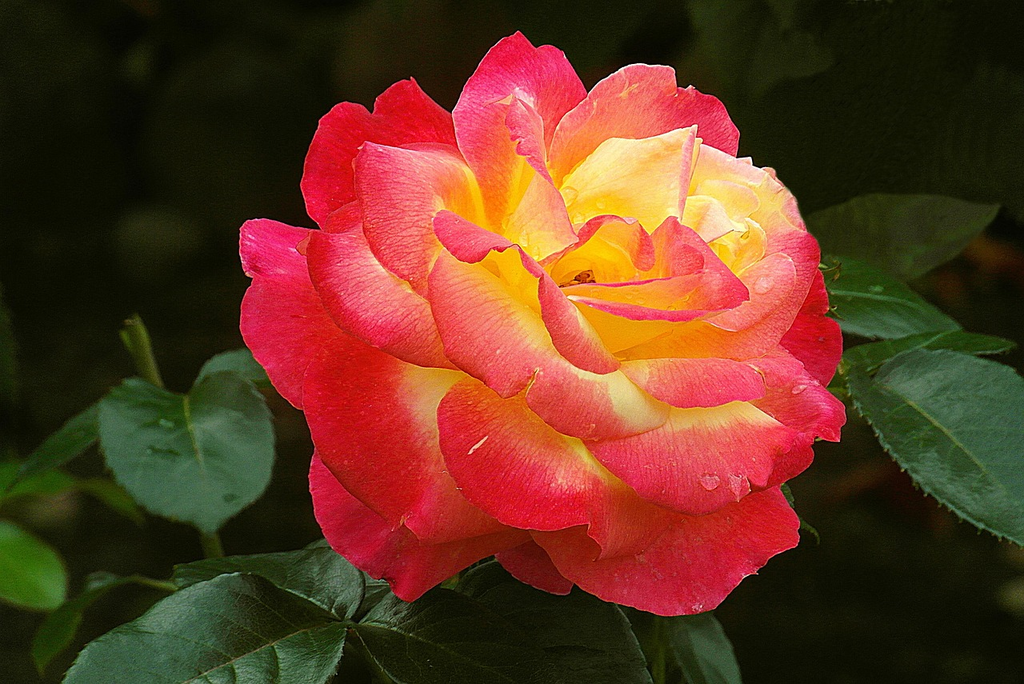
💡 Key Takeaways
- Identify the main Valentine’s Day colors (red, pink, white) and their meanings
- Explain how color choices influence mood and messaging in Valentine-themed designs
- Explore the historical and cultural origins of color symbolism for Valentine’s Day
- Create cohesive Valentine palettes for decorations, gifts, or branding
❓ Frequently Asked Questions
What do Valentine's Day colors typically represent?
Red symbolizes love and passion; pink conveys affection and tenderness; white suggests purity and new beginnings.
Why is red the dominant color on Valentine’s Day?
Red roses and romance have long been linked to deep love, and marketing and traditions popularized red as the main Valentine color.
What do other common Valentine colors mean?
Pink = affection and admiration; white = purity or new starts; purple can evoke enchantment or luxury; other colors may be used for emphasis or seasonal variety.
How should color choices guide Valentine’s decorations and gifts?
Choose colors to match the message: red for romance, pink for tenderness, white for sincerity; cohesive palettes enhance cards, outfits, and presents.