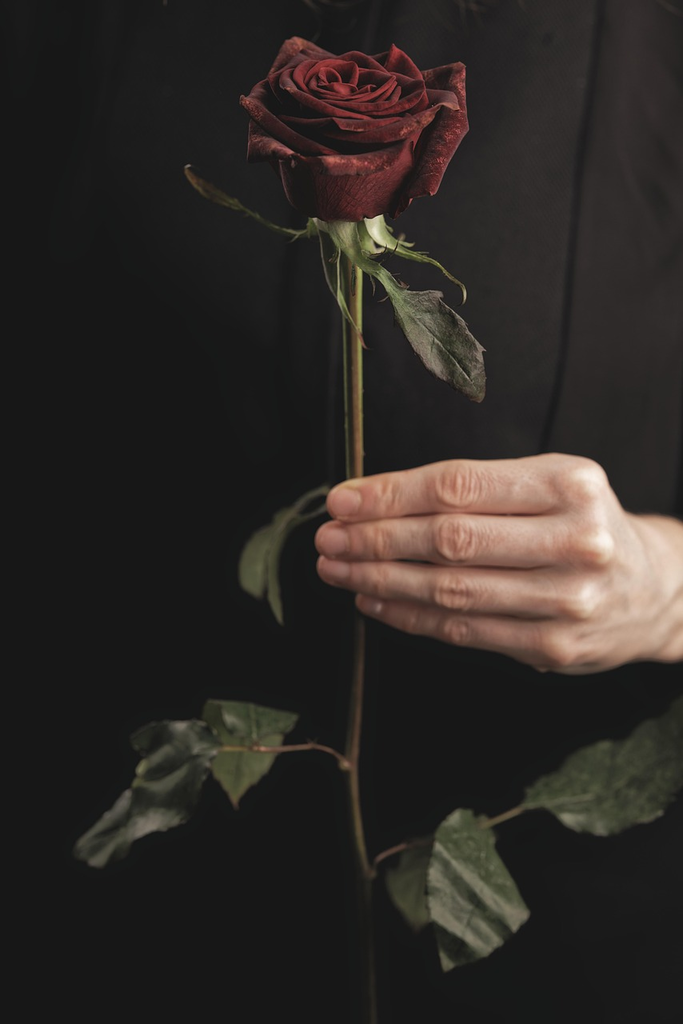
Valentine's Day flowers are a traditional and cherished gift exchanged on February 14th to express love and affection. Most commonly, red roses symbolize deep love and passion, while other flowers like tulips, lilies, and carnations represent admiration, friendship, or gratitude. Giving flowers on Valentine's Day is a heartfelt gesture, often accompanied by notes or gifts, that conveys romantic feelings and appreciation for a significant other or loved ones.
Valentine's Day Flowers+50
Valentine's Day flowers are a traditional and cherished gift exchanged on February 14th to express love and affection. Most commonly, red roses symbolize deep love and passion, while other flowers like tulips, lilies, and carnations represent admiration, friendship, or gratitude. Giving flowers on Valentine's Day is a heartfelt gesture, often accompanied by notes or gifts, that conveys romantic feelings and appreciation for a significant other or loved ones.
💡 Key Takeaways
- Identify popular Valentine's Day flowers and what they symbolize
- Decode flower color meanings to convey the intended message
- Learn simple care tips to keep bouquets fresh longer
- Choose flowers based on recipient preferences, occasion, and seasonal availability
❓ Frequently Asked Questions
What do Valentine’s Day flowers symbolize?
Flowers express affection; red roses symbolize romantic love, while pink indicates admiration, white signifies purity or sympathy, and yellow conveys friendship. Other blooms like tulips, lilies, and carnations have their own meanings.
What flowers are popular for Valentine's Day besides red roses?
Pink roses, white lilies, red tulips, and pink carnations are common alternatives; mixed bouquets are also popular to express multiple sentiments.
How can I keep Valentine's Day flowers looking fresh longer?
Recut stems at a 45-degree angle, remove leaves below the water line, use a clean vase with fresh water and flower food, and change the water daily.
Should I choose cut flowers or a potted plant for Valentine’s Day?
Cut flowers offer an immediate romantic display, while a potted plant lasts longer and can be replanted. Choose based on recipient preferences and space.