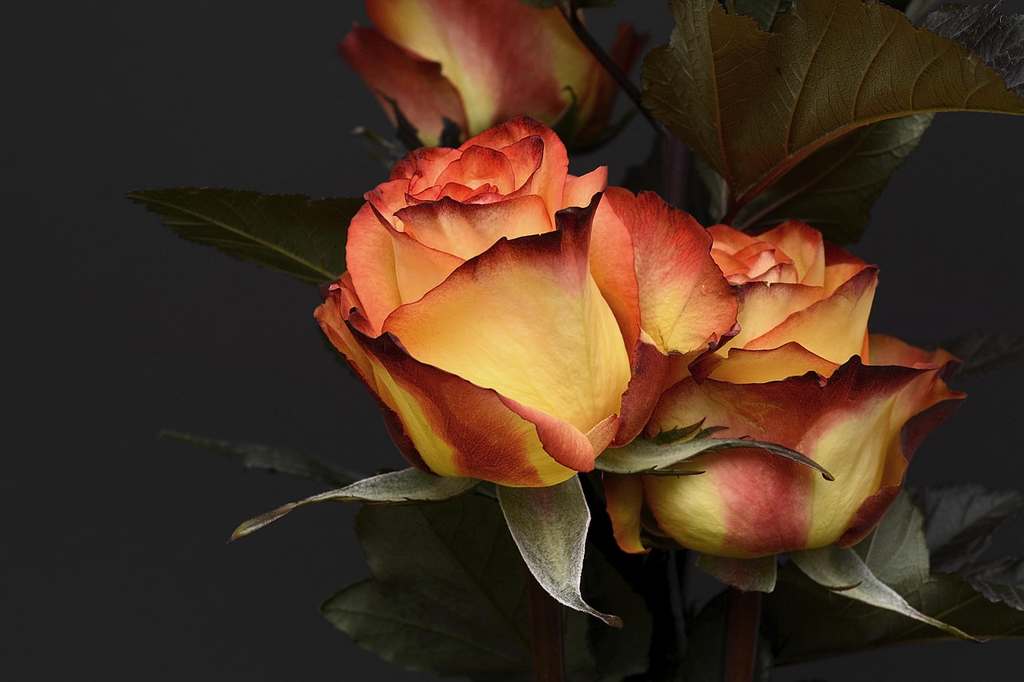
Valentine's Day symbols represent love, affection, and romance. Common symbols include hearts, which signify love; red roses, symbolizing passion; Cupid, the cherubic figure with a bow and arrow, representing desire; and doves, which stand for peace and devotion. Other symbols like chocolates, greeting cards, and love letters are exchanged to express feelings. These icons collectively embody the spirit of Valentine's Day and help convey heartfelt emotions.
Valentine's Day Symbols+50
Valentine's Day symbols represent love, affection, and romance. Common symbols include hearts, which signify love; red roses, symbolizing passion; Cupid, the cherubic figure with a bow and arrow, representing desire; and doves, which stand for peace and devotion. Other symbols like chocolates, greeting cards, and love letters are exchanged to express feelings. These icons collectively embody the spirit of Valentine's Day and help convey heartfelt emotions.

💡 Key Takeaways
- Identify common Valentine’s Day symbols (heart, rose, Cupid, dove) and what they represent
- Explain why the heart shape is used to symbolize love and affection
- Recognize popular Valentine imagery in gifts and cards (chocolate, red roses, love letters) and their cultural meanings
- Understand how symbols convey feelings in Valentine messaging and gestures
❓ Frequently Asked Questions
What does the heart symbol mean in Valentine's Day imagery?
It represents love and affection; the heart shape evolved from ancient symbols and became a universal emblem of romance.
Why are roses commonly given on Valentine’s Day?
Roses symbolize love and beauty; red roses specifically convey deep passion and enduring affection, a tradition rooted in romantic poetry and culture.
Who is Cupid and how is he connected to Valentine’s Day?
Cupid is the Roman god of love; his bow and arrows are believed to spark romantic attraction, linking him to Valentine’s Day through folklore and medieval romance.
Why is the color red so prominent on Valentine’s Day?
Red conveys strong emotions like love and passion, making it a dominant color in cards, decorations, and gifts associated with romance.
What do doves or birds symbolize in Valentine’s imagery?
Doves symbolize fidelity, peace, and lasting love, often used in romantic and wedding-themed imagery.