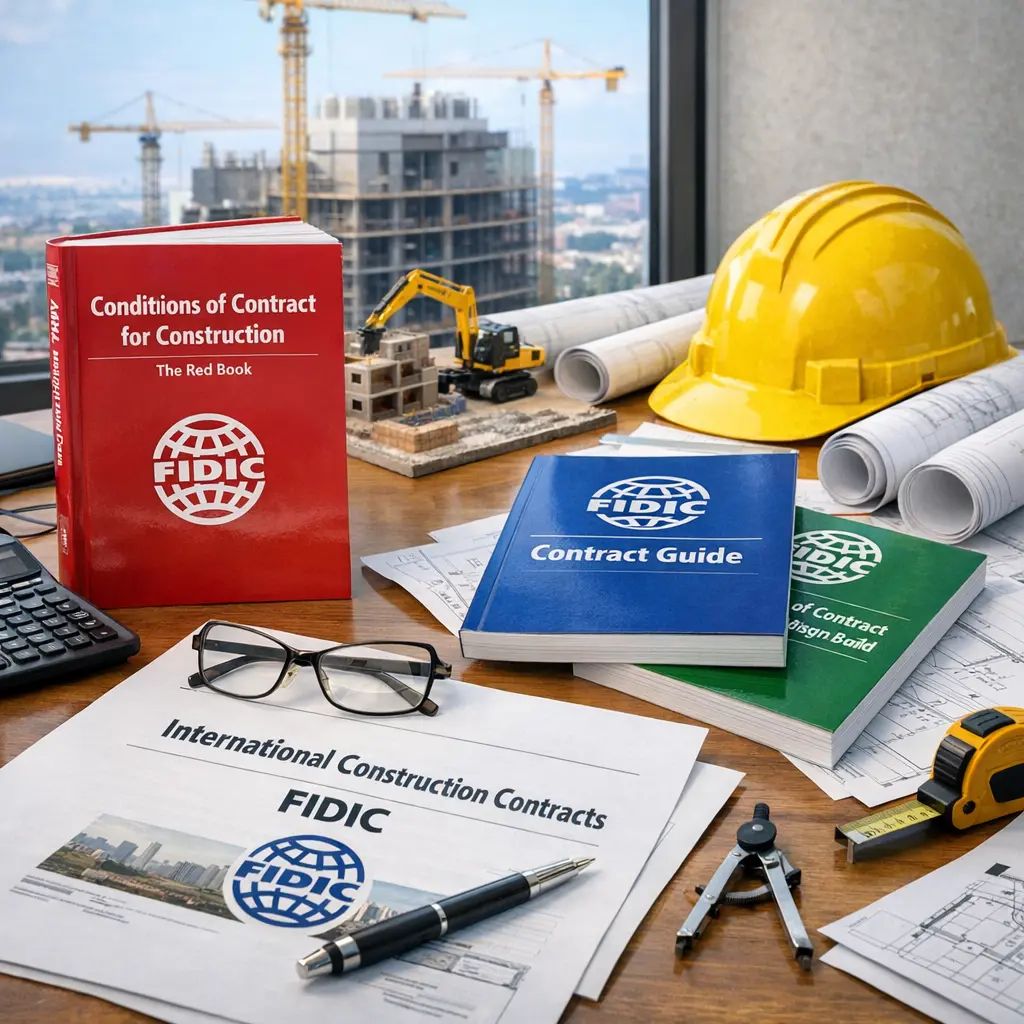
Value Engineering Principles in the construction environment focus on optimizing project value by systematically analyzing functions, materials, and processes. The goal is to achieve the required performance at the lowest life-cycle cost without compromising quality, safety, or environmental standards. This involves multidisciplinary teamwork, creative problem-solving, and continuous evaluation of design alternatives to enhance efficiency, reduce waste, and ensure that client objectives are met effectively throughout the construction process.
Value Engineering Principles
Value Engineering Principles in the construction environment focus on optimizing project value by systematically analyzing functions, materials, and processes. The goal is to achieve the required performance at the lowest life-cycle cost without compromising quality, safety, or environmental standards. This involves multidisciplinary teamwork, creative problem-solving, and continuous evaluation of design alternatives to enhance efficiency, reduce waste, and ensure that client objectives are met effectively throughout the construction process.

💡 Key Takeaways
- Grasp the core idea of value engineering: maximize function at minimum cost to deliver value to the customer.
- Learn the VE process steps (e.g., information, function analysis, creative generation, evaluation, development, presentation).
- Use function analysis tools (e.g., FAST diagrams) to identify non-essential features and uncover cost-effective substitutes.
- Apply VE across the product lifecycle (design, procurement, manufacturing, operations) to improve value while maintaining safety and quality.
❓ Frequently Asked Questions
What is value engineering?
A systematic method to improve value by optimizing function and reducing cost while preserving required performance and quality.
What is the main goal of value engineering?
To maximize function relative to cost, achieving the required performance at the lowest possible life-cycle cost.
What is function analysis (FAST) in value engineering?
A technique to identify and analyze the functions a product or project must perform, distinguishing worth from cost to guide cost-reduction ideas without losing essential function.
What are the typical phases of a value engineering effort?
Information, Function Analysis, Creative, Evaluation, Development, and Presentation (with Implementation as an optional final phase).
How are VE ideas evaluated?
Ideas are screened and scored based on function, cost impact, feasibility, and risk to select the best value options.