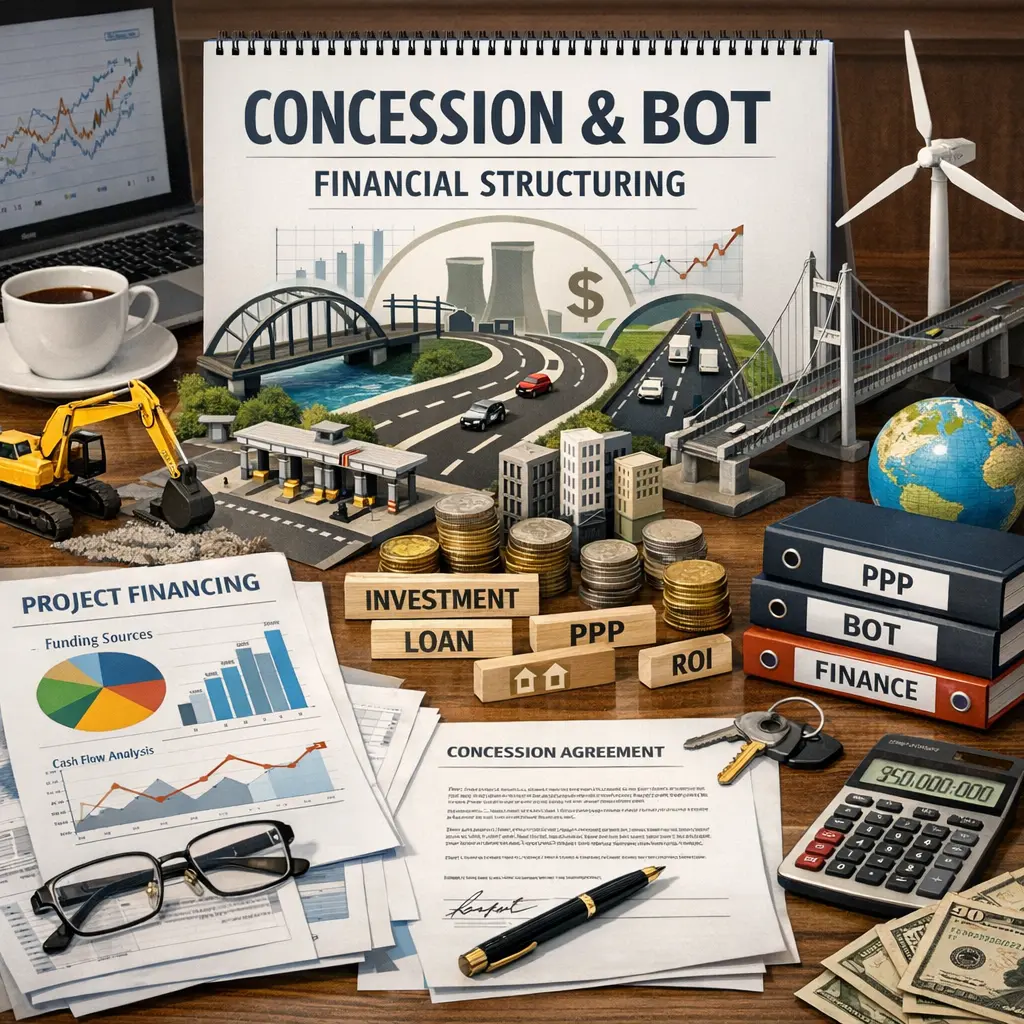
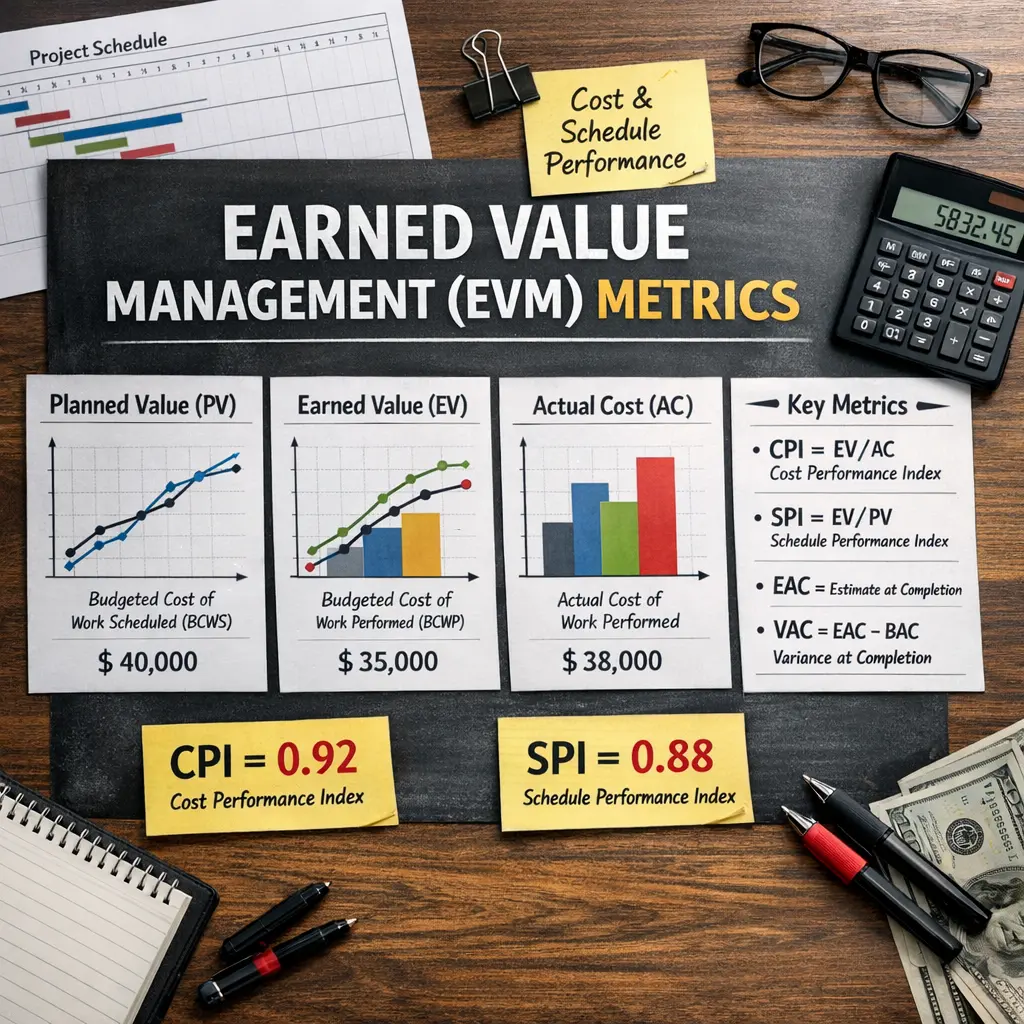
Value for Money Analysis in financial management and business practices assesses whether resources are being used efficiently, effectively, and economically to achieve desired outcomes. It involves comparing costs with the benefits or results obtained, ensuring that expenditures deliver optimal returns. This analysis helps organizations make informed decisions, prioritize investments, and improve accountability by evaluating alternatives and identifying the best use of limited resources to maximize value for stakeholders.
Value for Money Analysis+50
Value for Money Analysis in financial management and business practices assesses whether resources are being used efficiently, effectively, and economically to achieve desired outcomes. It involves comparing costs with the benefits or results obtained, ensuring that expenditures deliver optimal returns. This analysis helps organizations make informed decisions, prioritize investments, and improve accountability by evaluating alternatives and identifying the best use of limited resources to maximize value for stakeholders.
💡 Key Takeaways
- Understand value for money and why it matters.
- Identify the core components of a value-for-money analysis: cost, quality, and outcomes.
- Compare costs and benefits using simple metrics like ROI or total cost of ownership.
- Recognize trade-offs and opportunity costs when evaluating options to maximize value.
❓ Frequently Asked Questions
What is value for money analysis?
It assesses whether the benefits of a project or purchase justify the costs, comparing resources used to outcomes achieved to determine efficiency.
What methods are commonly used to evaluate value for money?
Common methods include cost-benefit analysis (CBA), cost-effectiveness analysis (CEA), return on investment (ROI), and net present value (NPV).
What data do you need to perform a value for money analysis?
You need costs (capital and operating), expected benefits or outcomes, timeframe, discount rate (for present value), and measures of quality or impact.
How can you improve value for money in a project?
Define clear objectives, identify all costs and benefits, compare alternatives, monitor performance, and adjust to maximize outcomes per unit of cost.