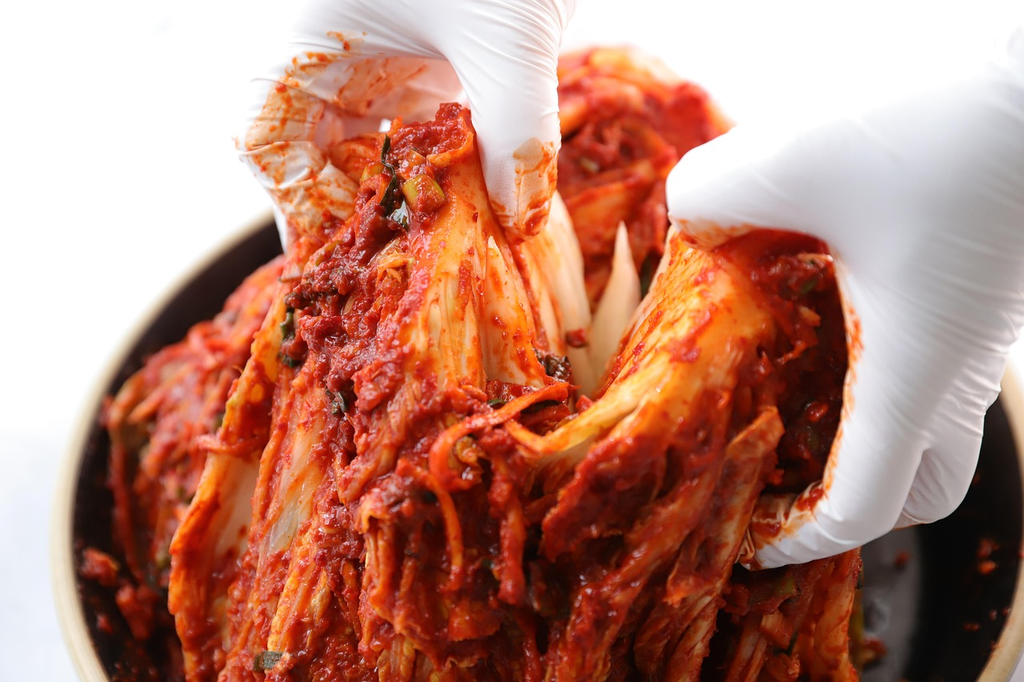
Vegetable-based fermentation involves transforming vegetables through natural processes using beneficial bacteria, yeasts, or molds. This method enhances flavors, preserves nutrients, and increases the bioavailability of vitamins and minerals. Regularly consuming fermented vegetables, such as kimchi or sauerkraut, supports healthy habits by promoting gut health, boosting immunity, and introducing probiotic-rich superfoods into the diet. These foods are celebrated for their positive impact on digestion and overall wellness.
Vegetable-Based Fermentation
Vegetable-based fermentation involves transforming vegetables through natural processes using beneficial bacteria, yeasts, or molds. This method enhances flavors, preserves nutrients, and increases the bioavailability of vitamins and minerals. Regularly consuming fermented vegetables, such as kimchi or sauerkraut, supports healthy habits by promoting gut health, boosting immunity, and introducing probiotic-rich superfoods into the diet. These foods are celebrated for their positive impact on digestion and overall wellness.
💡 Key Takeaways
- Understand the basic principle of vegetable fermentation and how lactic acid preserves foods.
- Learn safe technique: proper salt concentration, keeping vegetables submerged, and clean equipment.
- Explore common vegetable fermentation styles (sauerkraut, kimchi, pickles) and how flavor develops over time.
- Learn to spot signs of progress and potential issues (spoiled smell, mold, gas buildup) and how to troubleshoot.
❓ Frequently Asked Questions
What is vegetable-based fermentation?
A preservation method where naturally occurring microbes, mainly lactic acid bacteria, convert sugars in vegetables into lactic acid, creating flavor and extending shelf life.
What distinguishes lactic acid fermentation from vinegar pickling?
Lactic fermentation relies on salt and beneficial microbes to generate lactic acid, often without added acids, whereas vinegar pickling uses acetic acid (vinegar) to preserve without relying on natural fermentation.
How do you start fermenting vegetables at home?
Clean jars and utensils; toss vegetables with about 2% salt by weight; pack tightly in a jar so they are submerged in their own brine; weigh to keep under the liquid; cover to exclude air and ferment at room temperature for several days to weeks.
What vegetables are commonly fermented?
Cabbage (sauerkraut), cucumbers (pickles), radishes, carrots, peppers, onions, and other firm vegetables can be fermented.
How do you know fermentation is safe and ready to eat?
Look for a tangy aroma and sour taste, a crisp texture, and visible bubbles. If you detect off odors, off flavors, or mold that doesn’t disappear after removing a small surface layer, discard the batch.