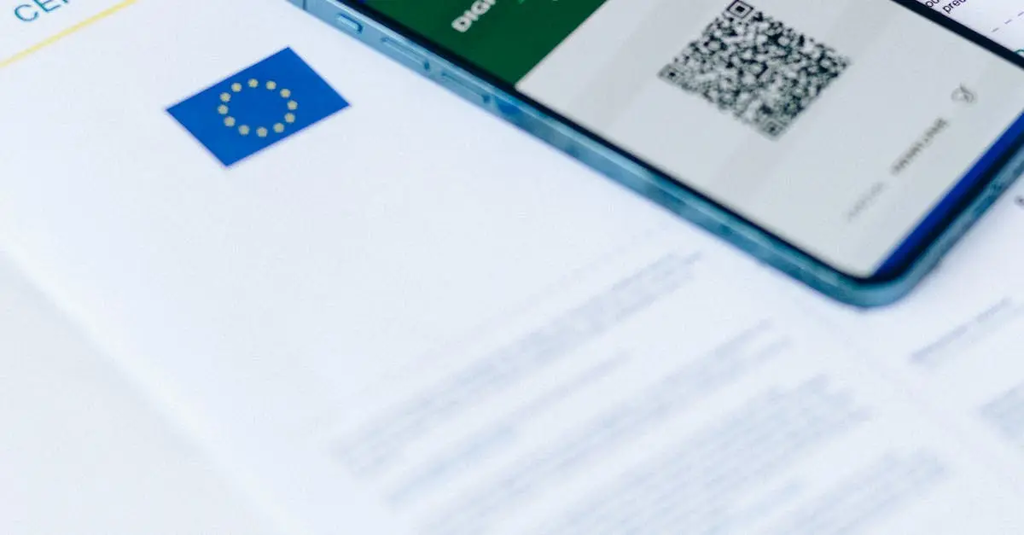
Verification systems and identity proofs are mechanisms used to confirm the authenticity of an individual's identity. These systems typically require users to present official documents or credentials, such as government-issued IDs, biometric data, or digital certificates. The process helps organizations ensure that people are who they claim to be, thereby preventing fraud, unauthorized access, and identity theft. Such systems are critical in banking, online services, and secure transactions.
Verification Systems and Identity Proofs
Verification systems and identity proofs are mechanisms used to confirm the authenticity of an individual's identity. These systems typically require users to present official documents or credentials, such as government-issued IDs, biometric data, or digital certificates. The process helps organizations ensure that people are who they claim to be, thereby preventing fraud, unauthorized access, and identity theft. Such systems are critical in banking, online services, and secure transactions.
💡 Key Takeaways
- Understand what verification systems and identity proofs are and why they're used in tech and online culture
- Identify common methods for identity verification, such as government IDs, biometrics, and digital certificates
- Explore privacy, security, and ethical considerations when collecting and storing identity data
- Discuss real-world applications, challenges, and best practices for accessibility and user experience in verification processes
❓ Frequently Asked Questions
What is the purpose of verification systems and identity proofs?
To confirm a person’s identity to grant access, issue credentials, and prevent fraud.
What are common types of identity proofs used in verification?
Government-issued IDs (e.g., passport, driver's license), biometric data (e.g., fingerprints, facial recognition), and digital certificates or credentials.
What is biometric verification and what are its trade-offs?
It uses unique physical traits to verify identity; benefits include convenience and accuracy, while drawbacks include privacy concerns and potential data security risks.
What privacy and security practices help protect people in verification processes?
Data minimization, informed consent, strong encryption, secure storage, and transparency about how data is used.