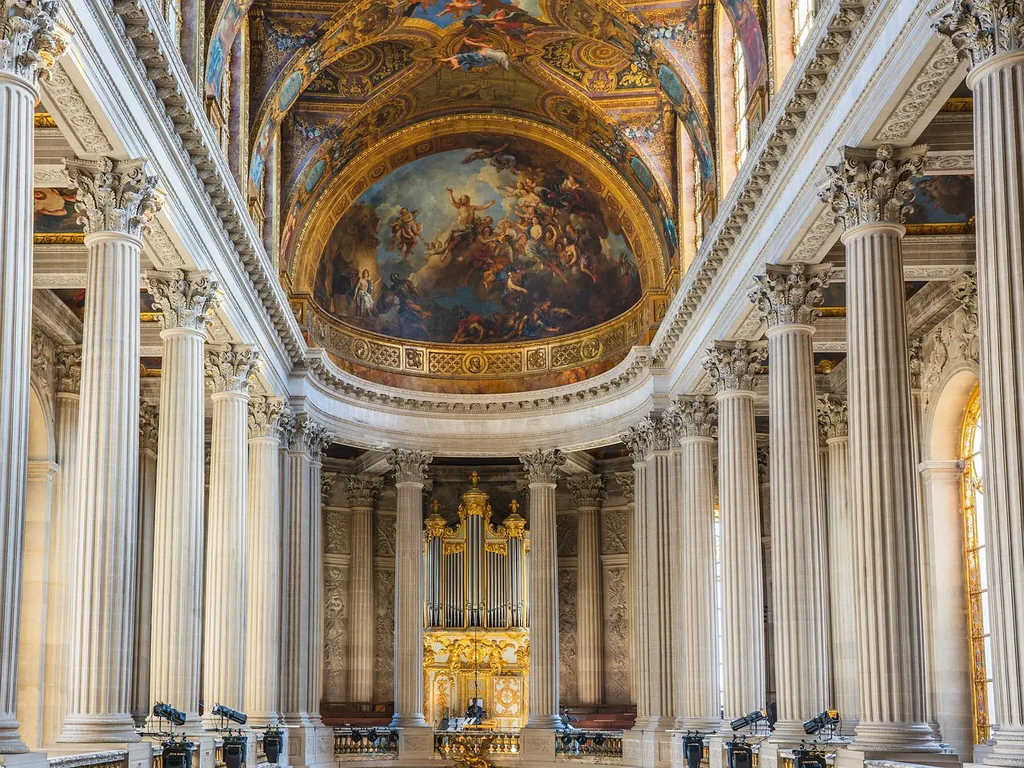
The Versailles Palace, located near Paris, France, is a magnificent symbol of absolute monarchy and French classical architecture. Originally a royal hunting lodge, it was transformed by King Louis XIV into an opulent palace with lavish gardens, ornate halls, and the famed Hall of Mirrors. The palace showcases exquisite art, grand fountains, and intricate landscaping, making it a UNESCO World Heritage site and one of the world’s most renowned historical landmarks.
Versailles Palace
The Versailles Palace, located near Paris, France, is a magnificent symbol of absolute monarchy and French classical architecture. Originally a royal hunting lodge, it was transformed by King Louis XIV into an opulent palace with lavish gardens, ornate halls, and the famed Hall of Mirrors. The palace showcases exquisite art, grand fountains, and intricate landscaping, making it a UNESCO World Heritage site and one of the world’s most renowned historical landmarks.
💡 Key Takeaways
- Learn how Versailles signaled royal power through its architecture, interiors, and gardens.
- Identify iconic features of the palace and grounds, such as the Hall of Mirrors and the Grand Apartments.
- Understand Versailles' role in history—from Louis XIV's court to the signing of the 1919 Treaty of Versailles.
- Recognize the key designers and the major phases of its construction and expansion.
❓ Frequently Asked Questions
What is Versailles Palace?
A grand royal château near Paris, built in the 17th century as the center of French monarchy under Louis XIV.
What is the Hall of Mirrors known for?
A long gallery with 357 mirrors facing the windows, used for state ceremonies and receptions.
Which major historical event is associated with Versailles?
The signing of the Treaty of Versailles in 1919, ending World War I.
What can you see in the Versailles gardens?
Expansive formal gardens designed by André Le Nôtre, featuring parterres, hedges, avenues, and many fountains.
When and how was Versailles built and expanded?
Construction and expansion occurred mainly from the 1660s to the 1680s under Louis XIV, with initial work by Louis Le Vau and later additions by Jules Hardouin-Matelart; gardens by André Le Nôtre.