Vesak, also known as Buddha Day, is the most significant Buddhist festival, commemorating the birth, enlightenment, and passing of Gautama Buddha. Celebrated by Buddhists worldwide, Vesak involves rituals such as meditation, chanting, temple visits, and acts of generosity. Buddhist observances throughout the year include uposatha days, retreats, and ceremonies marking key events in Buddha’s life, all aimed at fostering mindfulness, compassion, and spiritual growth among followers.
Vesak & Buddhist Observances
Vesak, also known as Buddha Day, is the most significant Buddhist festival, commemorating the birth, enlightenment, and passing of Gautama Buddha. Celebrated by Buddhists worldwide, Vesak involves rituals such as meditation, chanting, temple visits, and acts of generosity. Buddhist observances throughout the year include uposatha days, retreats, and ceremonies marking key events in Buddha’s life, all aimed at fostering mindfulness, compassion, and spiritual growth among followers.
💡 Key Takeaways
- Vesak (Buddha Day) commemorates the birth, enlightenment, and passing (parinirvana) of Gautama Buddha.
- Common Vesak practices include meditation, chanting, temple visits, and acts of generosity (dāna).
- Vesak is celebrated worldwide with regional customs and dates that vary by country and tradition.
- Other major Buddhist observances throughout the year focus on different aspects of the Buddha's life and teachings.
❓ Frequently Asked Questions
What is Vesak and why is it significant?
Vesak, also called Buddha Day, is a major Buddhist festival that commemorates the birth, enlightenment, and passing (parinirvana) of Gautama Buddha, celebrated to honor his teachings.
When is Vesak celebrated?
Vesak is observed on the full moon day of the lunar month Vesakha; dates vary by country and year, typically falling in April or May.
What are common Vesak rituals and activities?
Common practices include temple visits, group chanting, meditation, listening to sermons, and acts of generosity (dana), such as giving to the needy and offering alms to monks.
How do Buddhist observances differ around the world?
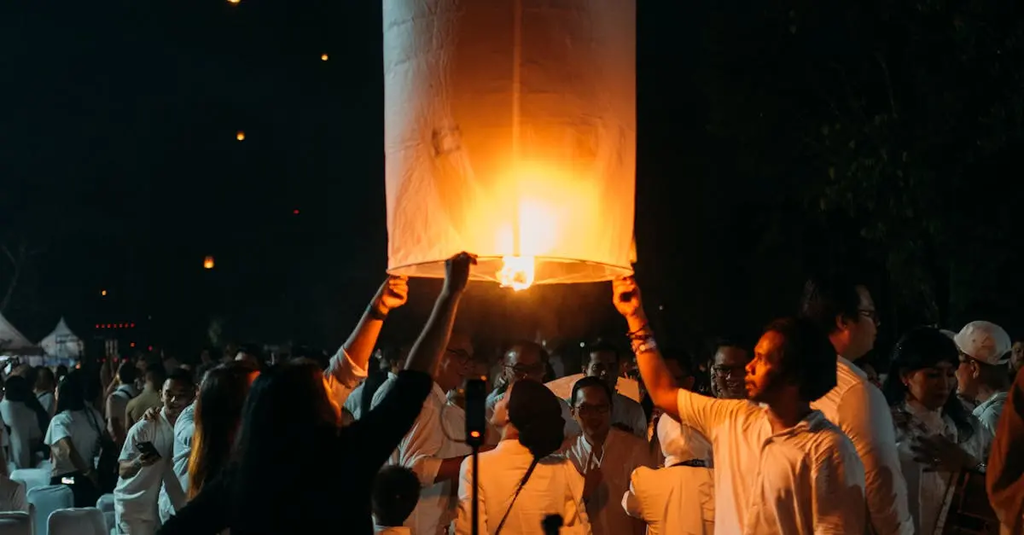
Observances vary by tradition and region (Theravada vs Mahayana). Some cultures emphasize almsgiving and temple ceremonies, while others include lantern lighting, processions, or special ceremonies.
Why is Vesak important for Buddhists?
Vesak highlights three pivotal events in a Buddhist’s life—birth, enlightenment, and parinirvana—encouraging reflection on compassion, wisdom, and mindful living.