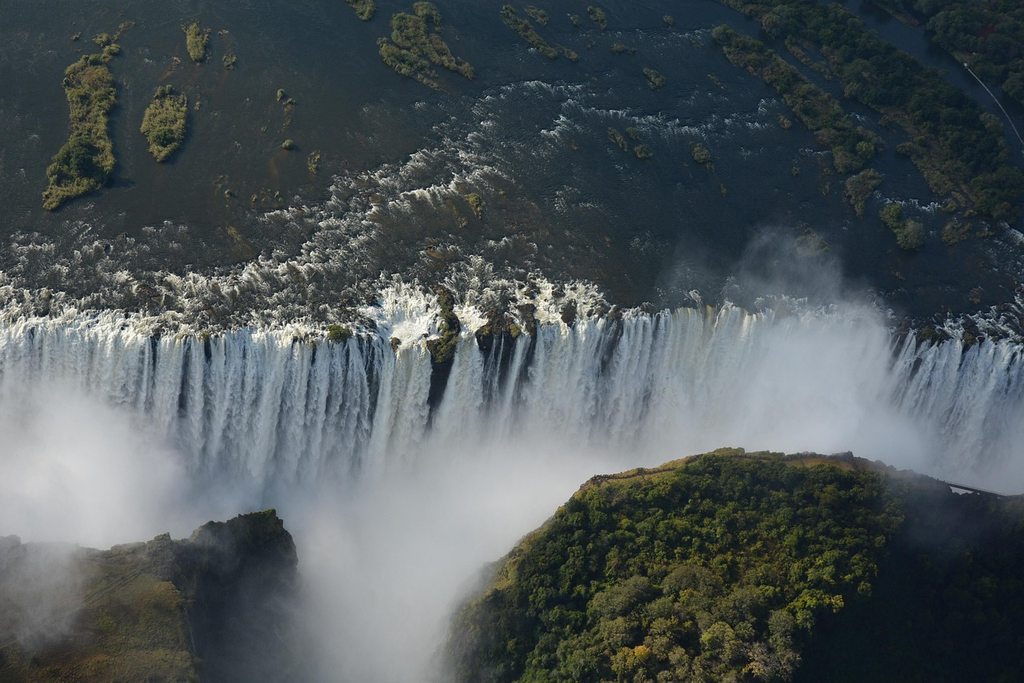
Victoria Falls, located on the border of Zambia and Zimbabwe, is one of the world's most spectacular natural wonders. Known locally as "The Smoke That Thunders," the falls stretch over 1.7 kilometers wide and plunge more than 100 meters into the Zambezi Gorge. The immense spray and roaring sound create a breathtaking spectacle, attracting visitors from around the globe. Victoria Falls is a UNESCO World Heritage Site and a symbol of Africa’s natural beauty.
Victoria Falls
Victoria Falls, located on the border of Zambia and Zimbabwe, is one of the world's most spectacular natural wonders. Known locally as "The Smoke That Thunders," the falls stretch over 1.7 kilometers wide and plunge more than 100 meters into the Zambezi Gorge. The immense spray and roaring sound create a breathtaking spectacle, attracting visitors from around the globe. Victoria Falls is a UNESCO World Heritage Site and a symbol of Africa’s natural beauty.
💡 Key Takeaways
- Learn where Victoria Falls is located and why it’s considered one of the largest waterfalls in the world.
- Learn the local name Mosi-oa-Tunya and what it means ('The Smoke That Thunders').
- Know that Victoria Falls is a UNESCO World Heritage Site and a major ecotourism destination on the Zambia–Zimbabwe border.
- Identify common viewpoints and activities around the falls, from scenic viewing points and boat safaris to adventure options like bungee jumping and helicopter tours.
- Understand how seasonal water flow affects spray, visibility, and rainbows, influencing the best times to visit.
❓ Frequently Asked Questions
What is Victoria Falls and where is it located?
Victoria Falls is a spectacular waterfall on the Zambezi River, located on the border between Zambia and Zimbabwe. It’s one of the world’s largest waterfalls by width.
Why is it called Victoria Falls and what does the local name mean?
The falls were named by explorer David Livingstone in honor of Queen Victoria. The local Tonga name Mosi-oa-Tunya means 'The Smoke That Thunders.'
How big are Victoria Falls?
The falls are about 1,708 meters wide and around 108 meters tall.
When is the best time to visit Victoria Falls?
The rainy season (roughly February–May) brings the strongest spray and flow, while the dry season (roughly September–November) offers clearer views and different activities.
Is Victoria Falls a UNESCO World Heritage Site?
Yes. It was designated a UNESCO World Heritage Site in 1989 as Mosi-oa-Tunya / Victoria Falls, a cross-border site shared by Zambia and Zimbabwe.