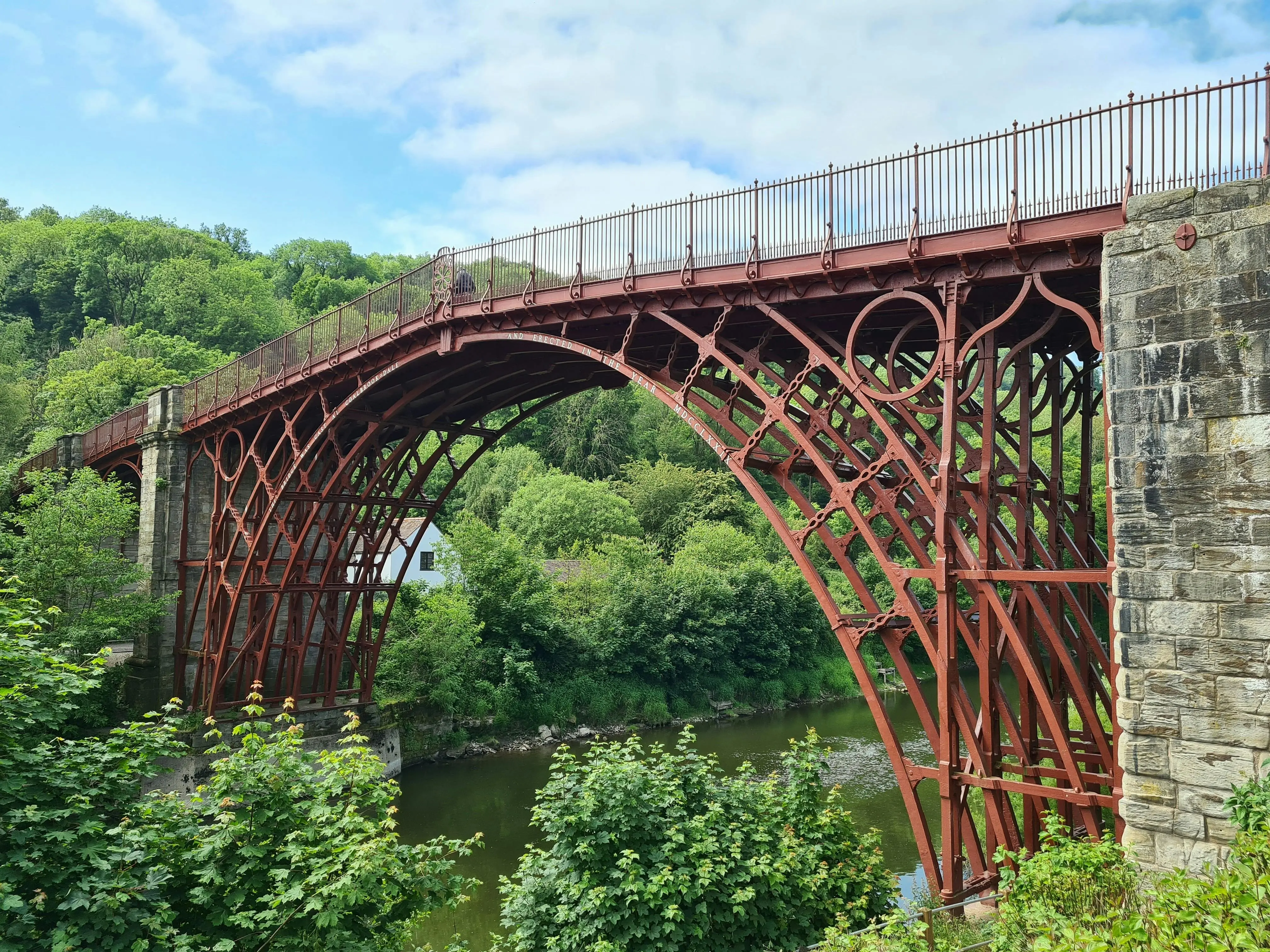
The Victorian Era refers to the period of Queen Victoria's reign in Britain, from 1837 to 1901. This era was marked by significant industrial, cultural, and scientific advancements, as well as strict social morals and class divisions. It saw the expansion of the British Empire, rapid urbanization, and major literary achievements. The era is also known for its distinctive architecture, fashion, and the emergence of new ideas in art, science, and society.
Victorian Era
The Victorian Era refers to the period of Queen Victoria's reign in Britain, from 1837 to 1901. This era was marked by significant industrial, cultural, and scientific advancements, as well as strict social morals and class divisions. It saw the expansion of the British Empire, rapid urbanization, and major literary achievements. The era is also known for its distinctive architecture, fashion, and the emergence of new ideas in art, science, and society.

💡 Key Takeaways
- See how the Industrial Revolution transformed work, cities, and everyday life in Victorian Britain.
- Understand the era's strict morals, class divisions, and evolving gender roles.
- Explore the expansion of the British Empire and its impact on trade and colonies.
- Learn about major scientific and cultural breakthroughs and notable figures of the period.
- Examine how rapid urbanization affected health, housing, education, and social reform.
❓ Frequently Asked Questions
When did the Victorian Era begin and end in Britain?
It began in 1837, when Queen Victoria ascended the throne, and ended in 1901, with her death.
What were the main forces driving change in the era?
Industrialization and urbanization, rapid scientific and cultural advances, and the expansion of the British Empire.
How did class structure shape Victorian society?
Society was highly stratified with strict moral codes; wealth and status determined daily life, and urban areas showed sharp contrasts between rich and poor.
What were some major social reforms of the era?
Factory acts limiting child labor and improving conditions, education reforms introducing compulsory schooling, and public health measures to modernize urban life.
What were key technological and scientific advances of the period?
Railways and steam power spread, the telegraph connected distant places, photography emerged, and scientific ideas (such as Darwin’s theory of evolution) transformed thinking.