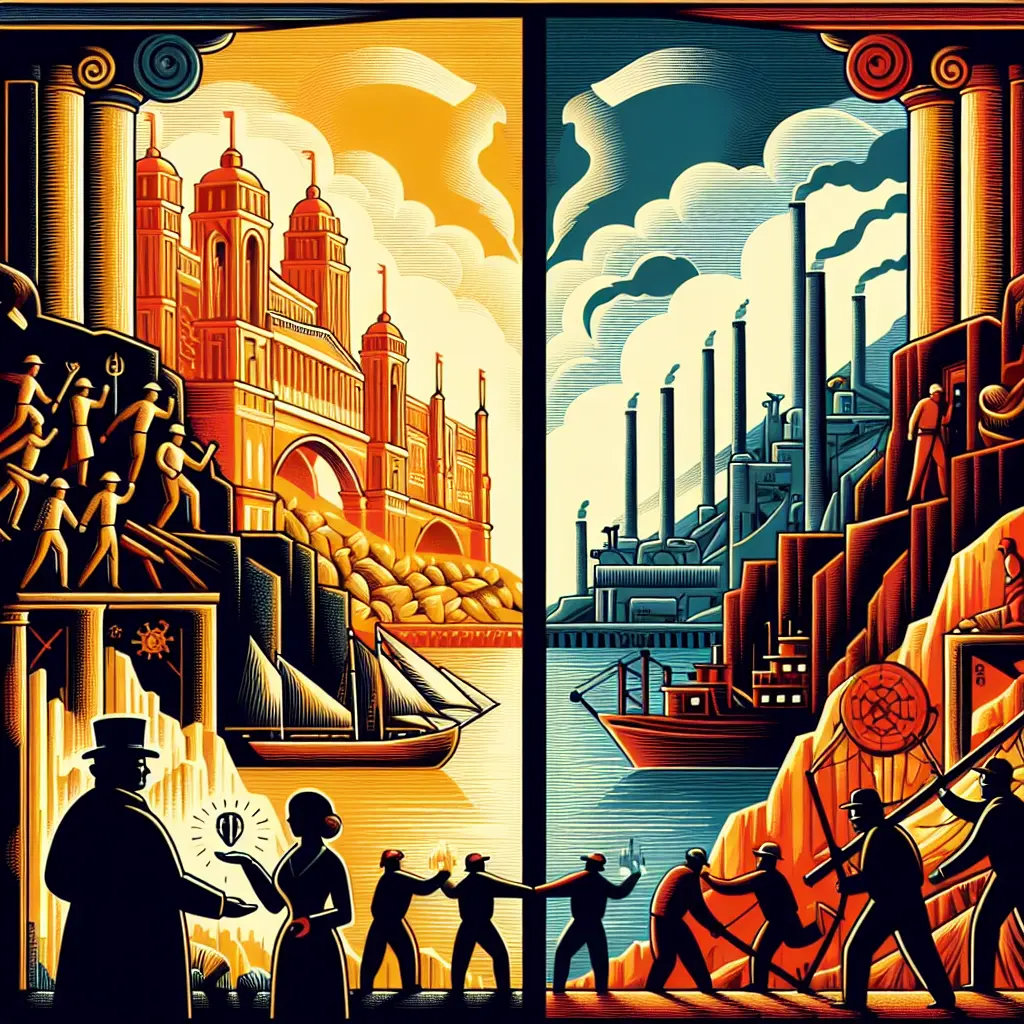
Victorian social reform refers to the efforts during Queen Victoria’s reign (1837–1901) to address social inequalities, poverty, and harsh living conditions in Britain. Central to these reforms were the Poor Laws, which established systems for providing relief to the destitute, often through workhouses. Over time, criticism of the Poor Laws’ harshness led to reforms aimed at improving welfare, public health, and education, reflecting a growing sense of social responsibility and humanitarian concern in Victorian society.
Victorian Social Reform and Poor Laws
Victorian social reform refers to the efforts during Queen Victoria’s reign (1837–1901) to address social inequalities, poverty, and harsh living conditions in Britain. Central to these reforms were the Poor Laws, which established systems for providing relief to the destitute, often through workhouses. Over time, criticism of the Poor Laws’ harshness led to reforms aimed at improving welfare, public health, and education, reflecting a growing sense of social responsibility and humanitarian concern in Victorian society.

💡 Key Takeaways
- Explain the aims and key provisions of the 1834 Poor Law Amendment Act and how it centralized relief via unions and workhouses.
- Describe the 'less eligibility' principle and the workhouse system that defined the new approach to poor relief.
- Identify how Victorian public health and sanitation reforms—led by Chadwick and culminating in the 1848 Public Health Act—addressed poverty-related urban conditions.
- Recognize the broader reform agenda of the era (factory acts, education acts, housing improvements) and how these policies aimed to reduce poverty and improve living conditions.
❓ Frequently Asked Questions
What were the Poor Laws in Victorian England?
A system of laws to provide relief to the poor, evolving from medieval times; by the 19th century it included parish-based relief, the idea of 'worthy' vs 'unworthy' poor, and the establishment of workhouses under Poor Law Unions.
What did the 1834 Poor Law Amendment Act change?
It centralized relief under the New Poor Law, created workhouses run by Boards of Guardians, and ended most outdoor relief for the able-bodied poor to reduce costs and deter dependency.
What does the term 'less eligibility' mean?
A principle that conditions in workhouses must be deliberately worse than the lowest-paid labor, to discourage people from seeking relief.
How did Victorian reformers link health and housing to poverty relief?
Reformers like Edwin Chadwick pushed sanitary reforms; reports and Acts (e.g., Public Health Acts) improved sewage, clean water, housing, and disease prevention, aiming to raise living standards.
What was life like in a workhouse?
Workhouses offered shelter and basic relief but imposed strict rules; residents performed tasks, and families could be separated to deter reliance on relief.