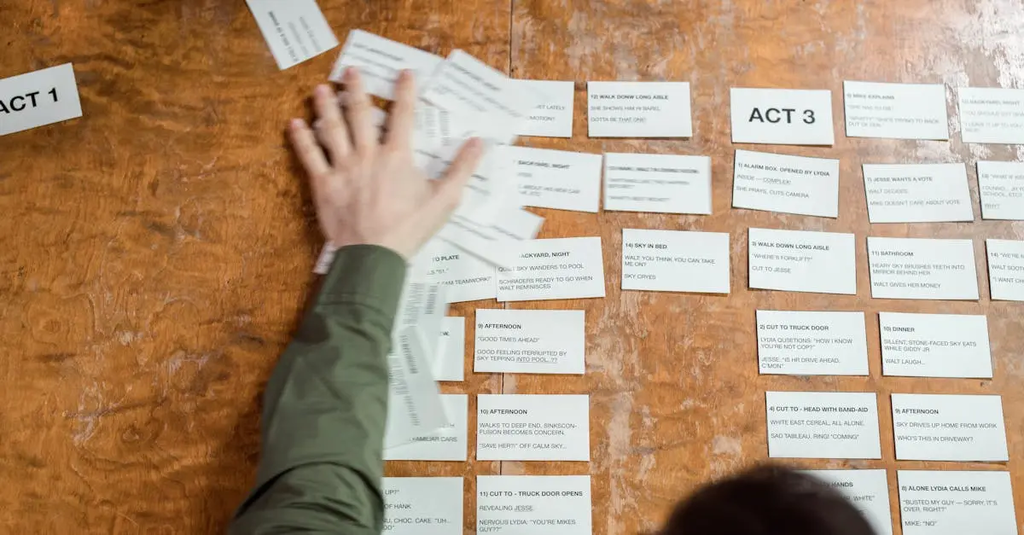
Video editing and post-production refer to the processes involved in refining and assembling raw video footage into a polished, final product. This includes cutting and arranging clips, adding transitions, effects, music, and sound design, as well as color correction and visual enhancements. Post-production ensures the video’s narrative flows smoothly and meets creative or technical standards, ultimately delivering a compelling visual story ready for distribution or broadcast.
Video Editing & Post-Production
Video editing and post-production refer to the processes involved in refining and assembling raw video footage into a polished, final product. This includes cutting and arranging clips, adding transitions, effects, music, and sound design, as well as color correction and visual enhancements. Post-production ensures the video’s narrative flows smoothly and meets creative or technical standards, ultimately delivering a compelling visual story ready for distribution or broadcast.
💡 Key Takeaways
- Understand how editing decisions affect narrative, pacing, and audience engagement.
- Identify the core post-production stages: organizing footage, rough cut, fine cut, and final polish.
- Learn to cut and arrange clips, and use transitions and effects to create smooth, coherent flow.
- Master audio design basics: music, sound effects, dialogue levels, and balancing sound for impact.
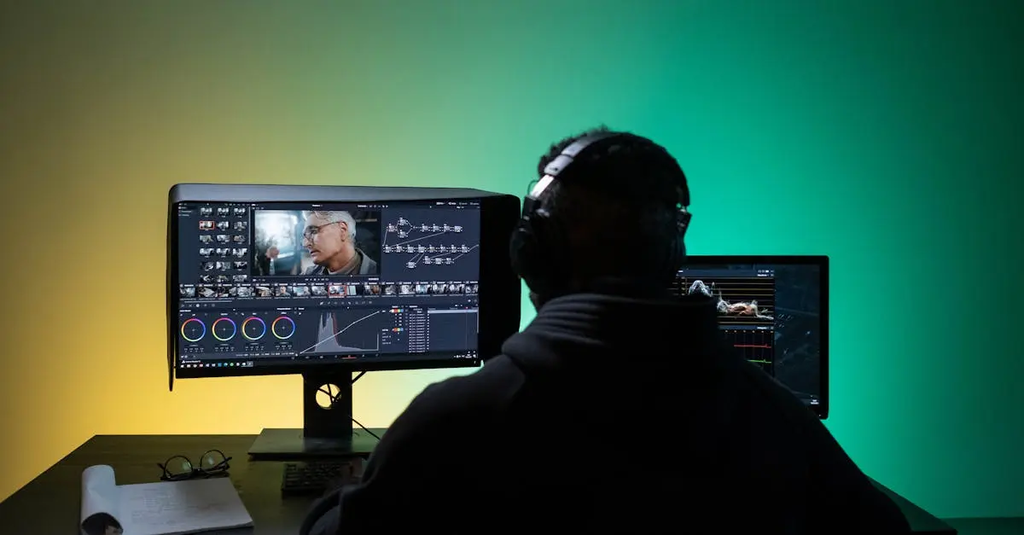
- Grasp color correction and color grading to achieve consistent visuals and appropriate mood.
❓ Frequently Asked Questions
What is video editing?
Video editing is the process of selecting, trimming, and arranging clips on a timeline to tell a cohesive story, including transitions, effects, and basic audio adjustments.
What is post-production?
Post-production is the phase after filming where you refine and enhance footage with color correction, visual effects, sound design, music, and final output to a polished product.
What is the difference between color correction and color grading?
Color correction fixes exposure, white balance, and color consistency; color grading applies a creative look or mood to the footage.
What role does sound design play in post-production?
Sound design adds and balances dialogue, ambient sounds, effects, and music to create realism and emotional impact.
What are typical post-production steps in order?
Ingest/organize footage → rough cut → fine cut → add transitions/effects → color correction/grading → mix audio with music/sound design → final export.