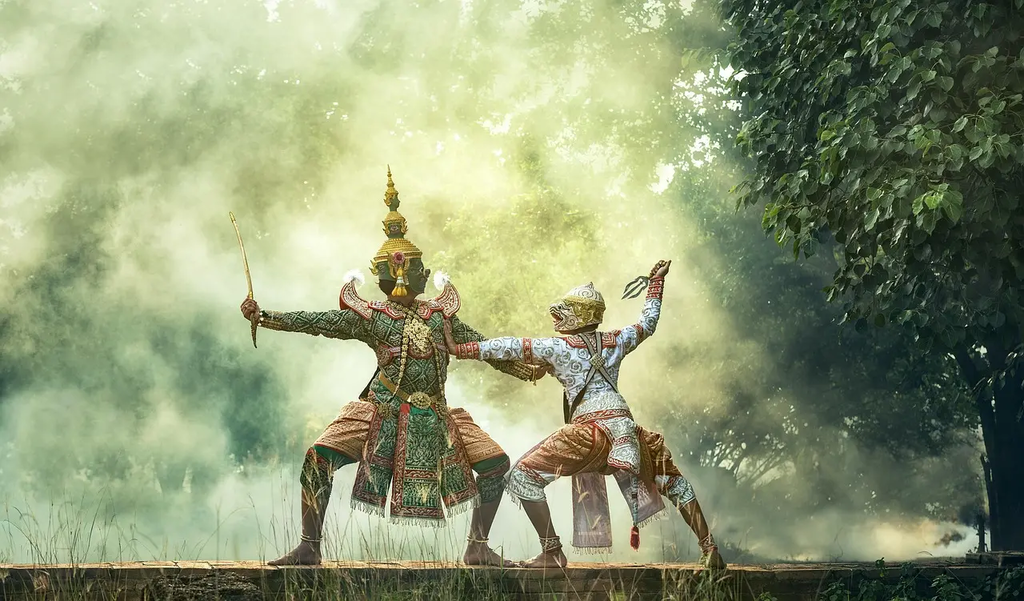
"Villainous Schemes in Mythology" refers to the cunning plans and devious actions orchestrated by mythological antagonists to achieve their goals, often opposing heroes or disrupting the natural order. These schemes challenge the boundaries between heroism and villainy, prompting audiences to question the true nature of each character. The phrase highlights the complexity of mythological narratives, where heroes and villains are tested, and moral lines are frequently blurred in the ultimate character challenge.
Villainous Schemes in Mythology
"Villainous Schemes in Mythology" refers to the cunning plans and devious actions orchestrated by mythological antagonists to achieve their goals, often opposing heroes or disrupting the natural order. These schemes challenge the boundaries between heroism and villainy, prompting audiences to question the true nature of each character. The phrase highlights the complexity of mythological narratives, where heroes and villains are tested, and moral lines are frequently blurred in the ultimate character challenge.
💡 Key Takeaways
- Identify common villainous schemes in myths, such as deception, betrayal, usurpation, and curses.
- See how these schemes drive the hero's journey and affect communities.
- Compare how different mythologies portray villains to reveal cultural values and fears.
- Understand the moral lessons and consequences that villains face in mythic stories.
❓ Frequently Asked Questions
What is a villainous scheme in mythology?
A plan by a villain to harm, deceive, or control others, often using tricks, magic, or betrayal.
What motives commonly drive these schemes?
Power, revenge, jealousy, or disruption of order; schemes typically target heroes, gods, or sacred objects.
What are common methods seen in mythological schemes?
Deception and disguise, kidnapping or coercion, theft of sacred items, curses, and manipulation of gods or fate.
Can you name archetypes or examples that appear in myths?
Tricksters, usurpers, seducers, kidnappers, and thieves of sacred objects are recurring roles in mythic plots.