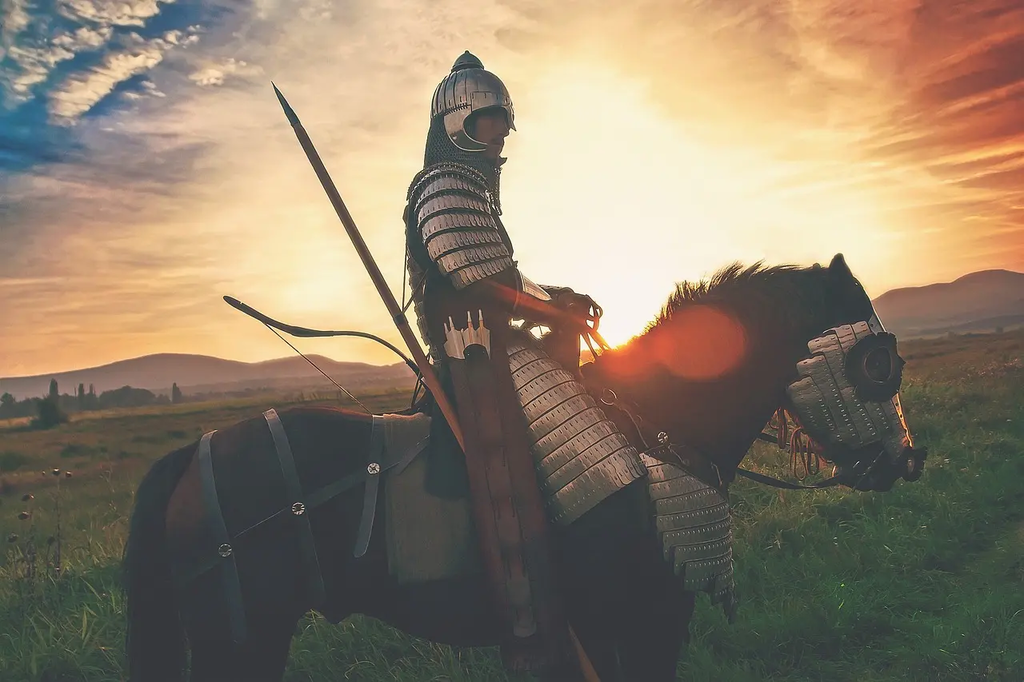
"Villainous Symbols in Art" explores how visual elements—such as dark colors, sharp angles, or menacing motifs—are used to represent evil or antagonistic characters. The phrase "Hero or Villain? The Ultimate Character Challenge" suggests a deeper analysis, questioning whether these symbols truly define a character’s morality or if the distinction between hero and villain is more complex, encouraging viewers to reconsider traditional visual cues and their meanings in storytelling.
Villainous Symbols in Art
"Villainous Symbols in Art" explores how visual elements—such as dark colors, sharp angles, or menacing motifs—are used to represent evil or antagonistic characters. The phrase "Hero or Villain? The Ultimate Character Challenge" suggests a deeper analysis, questioning whether these symbols truly define a character’s morality or if the distinction between hero and villain is more complex, encouraging viewers to reconsider traditional visual cues and their meanings in storytelling.
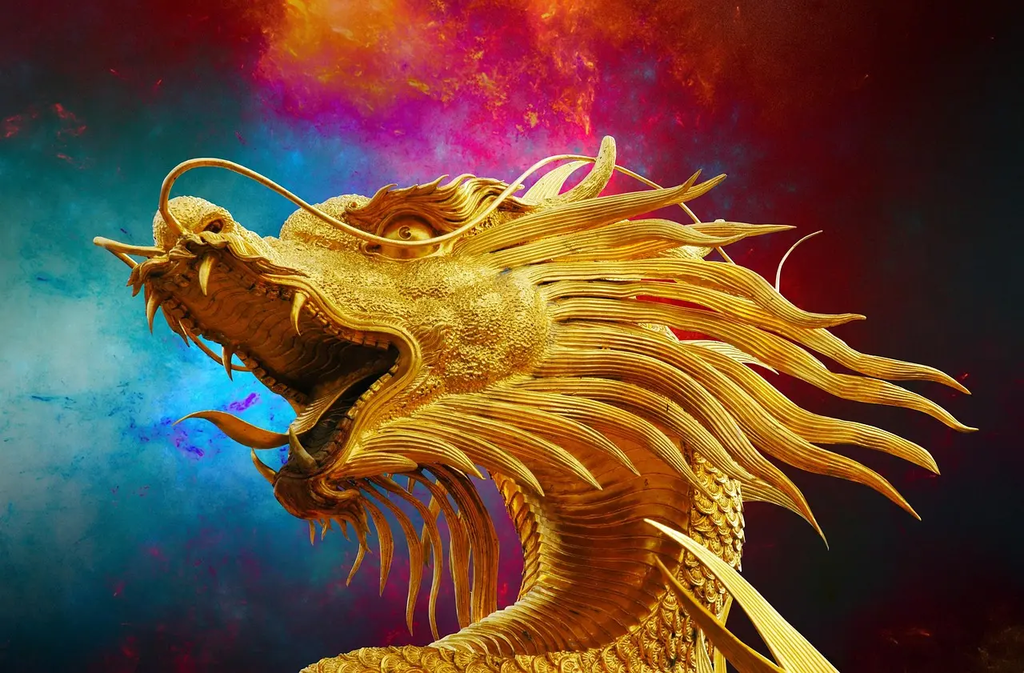
💡 Key Takeaways
- Identify common symbols linked to villainy in visual art (e.g., skulls, serpents, ravens) and what they typically signify.
- Explore how historical and cultural contexts shape the meaning of villainous symbols in artworks.
- Describe how color, light, and composition convey menace or moral conflict.
- Practice analyzing a work by spotting villainous symbolism and inferring the artist's message or critique.
❓ Frequently Asked Questions
What are some common symbols used to represent villains in art?
Skulls and bones, snakes, masked figures, dark shadows, and the colors black and red are frequent signals of menace or evil.
How does color choice contribute to villainy in a piece?
Dark tones (black, deep reds, purples) convey danger and power, while bright highlights or red accents can draw focus to the antagonist and heighten tension.
What compositional techniques help depict a villain?
Low angles, looming figures, harsh lighting, and strong diagonals create intimidation, while negative space around the hero emphasizes the threat.
Why might animals or symbols like snakes or ravens be used to denote villains?
They carry cultural associations with deceit, danger, or death, allowing artists to signal villainy quickly through familiar motifs.