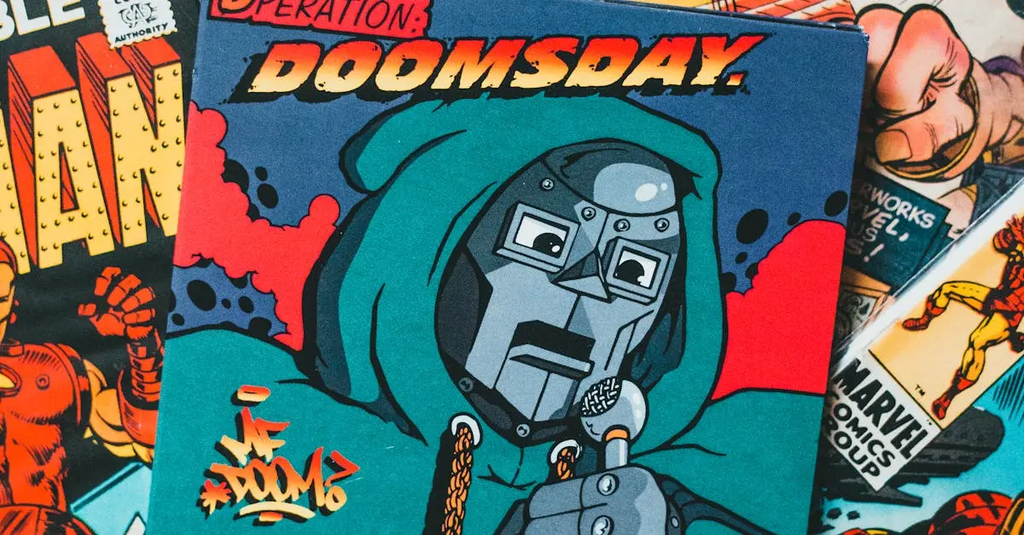
Villains in fantasy worlds often possess complex motivations, unique powers, and intriguing backstories that blur the line between good and evil. They challenge heroes, drive the plot, and sometimes evoke sympathy from audiences. The ultimate character challenge lies in their depth—some villains believe their actions are justified, making them anti-heroes or misunderstood figures. These nuanced portrayals prompt audiences to reconsider traditional definitions of heroism and villainy, enriching the fantasy narrative.
Villains in Fantasy Worlds
Villains in fantasy worlds often possess complex motivations, unique powers, and intriguing backstories that blur the line between good and evil. They challenge heroes, drive the plot, and sometimes evoke sympathy from audiences. The ultimate character challenge lies in their depth—some villains believe their actions are justified, making them anti-heroes or misunderstood figures. These nuanced portrayals prompt audiences to reconsider traditional definitions of heroism and villainy, enriching the fantasy narrative.

💡 Key Takeaways
- Recognize common villain archetypes in fantasy stories and what makes each one compelling
- Understand how villains’ goals, motivations, and backstories shape the plot and character dynamics
- Identify how worldbuilding (magic systems, cultures, and power structures) influences villain behavior
- Learn techniques for analyzing villain choices, morals, and turning points in key scenes
- Explore how writers create suspense by balancing villain power, flaws, and relationships with heroes
❓ Frequently Asked Questions
What makes a character a “villain” in a fantasy world?
A villain is typically defined by harmful actions, conflicting goals, or antagonism toward the protagonist—though motivations can vary widely.
Are villains always evil, or can they be morally complex?
Many fantasy villains are morally complex. They may believe they’re doing the right thing, seek justice, or act from fear, loyalty, or survival.
How do fantasy worlds shape villain behavior?
World rules like magic systems, prophecy, political power, curses, and cultural beliefs often influence what villains can do and why they choose to do it.
What are common villain archetypes in fantasy?
Common archetypes include the dark lord, corrupt official, fallen hero, trickster antagonist, mad scientist/mage, and the one driven by revenge or grief.
How can you distinguish a true villain from a misunderstood antagonist?
Look at choices and consequences: a true villain usually pursues harm as a pattern, while a misunderstood antagonist may cause conflict but lacks consistent malicious intent.