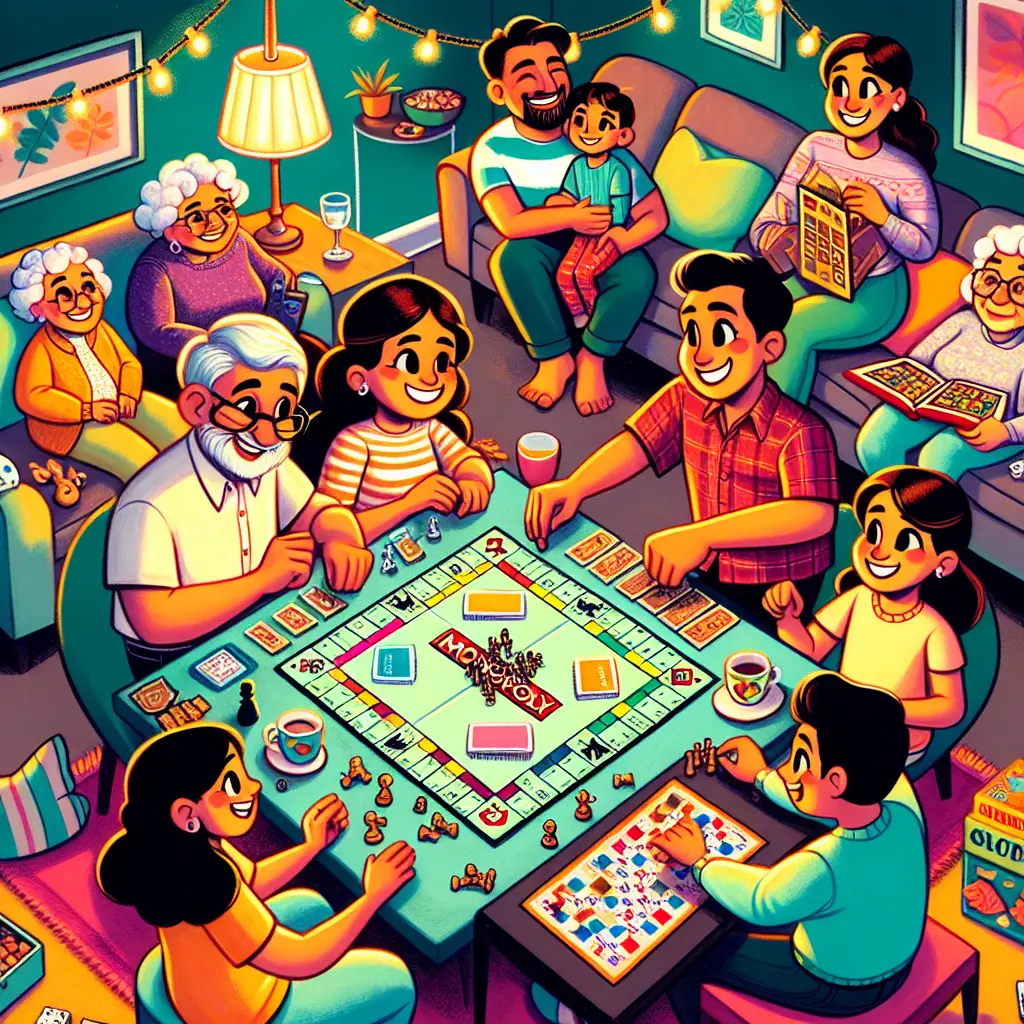
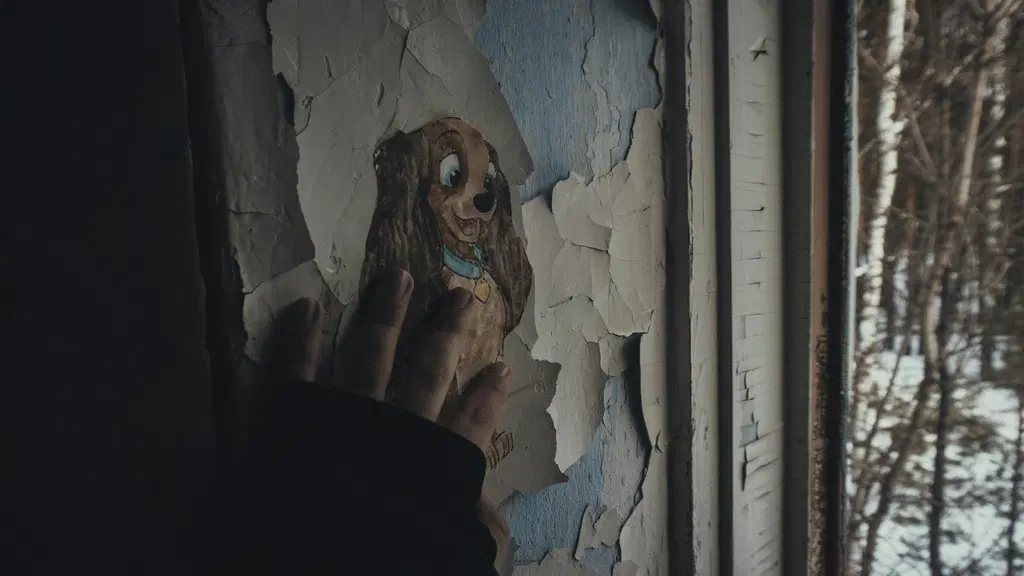
Vintage toys refer to playthings that were manufactured in previous decades, often considered collectible due to their age, rarity, and nostalgic value. These items can include dolls, action figures, board games, cars, and other classic toys made from materials like wood, metal, or early plastics. Vintage toys often evoke memories of childhood and reflect the cultural trends, craftsmanship, and technology of their respective eras, making them cherished by collectors and enthusiasts alike.
Vintage Toys+50
Vintage toys refer to playthings that were manufactured in previous decades, often considered collectible due to their age, rarity, and nostalgic value. These items can include dolls, action figures, board games, cars, and other classic toys made from materials like wood, metal, or early plastics. Vintage toys often evoke memories of childhood and reflect the cultural trends, craftsmanship, and technology of their respective eras, making them cherished by collectors and enthusiasts alike.
💡 Key Takeaways
- Identify the main materials used in vintage toys (wood, metal, early plastics) and how to care for them.
- Understand how age, rarity, and condition affect a vintage toy’s value and price.
- Recognize common vintage toy categories (dolls, action figures, board games, cars) and their historical trends.
- Learn how to authenticate vintage toys and distinguish originals from reproductions.
❓ Frequently Asked Questions
What are vintage toys?
Toys manufactured in previous decades that are often collectible for age, rarity, and nostalgia; examples include dolls, action figures, board games, and cars, made from wood, metal, or early plastics.
What materials are commonly found in vintage toys?
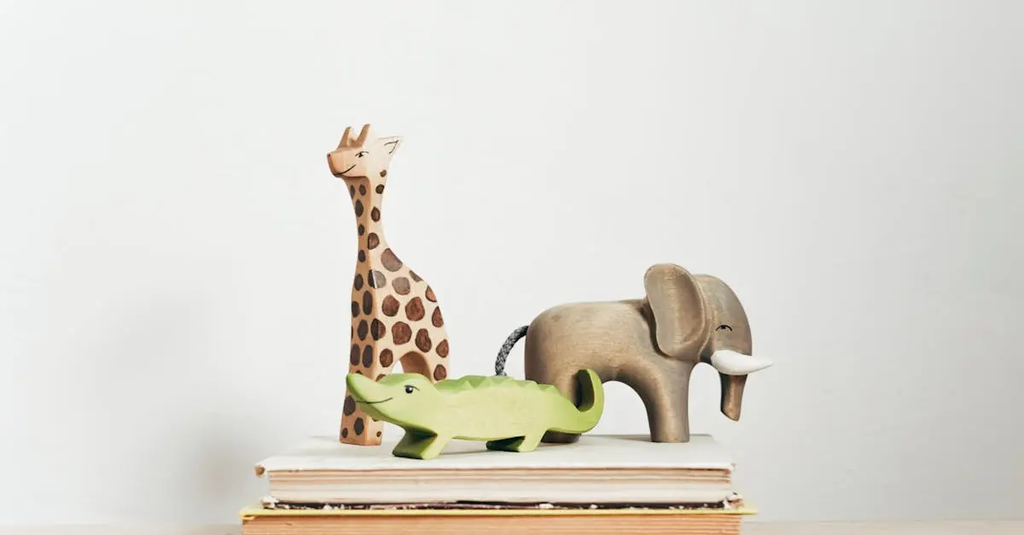
Common materials include wood, metal (tin or cast iron), composition and early plastics (e.g., celluloid, Bakelite), cloth, and rubber.
What factors influence the value of vintage toys?
Rarity, condition, original packaging, completeness, brand or edition, production run, and current demand.
How can you identify a genuine vintage toy?
Look for era-appropriate markings (brand, patents), construction style, wear consistent with age, and compare with catalogs or reference guides to spot reproductions.
How should you care for vintage toys?
Clean gently with a soft cloth; avoid harsh chemicals; store away from direct sunlight, heat, and moisture; handle with care to preserve original materials.