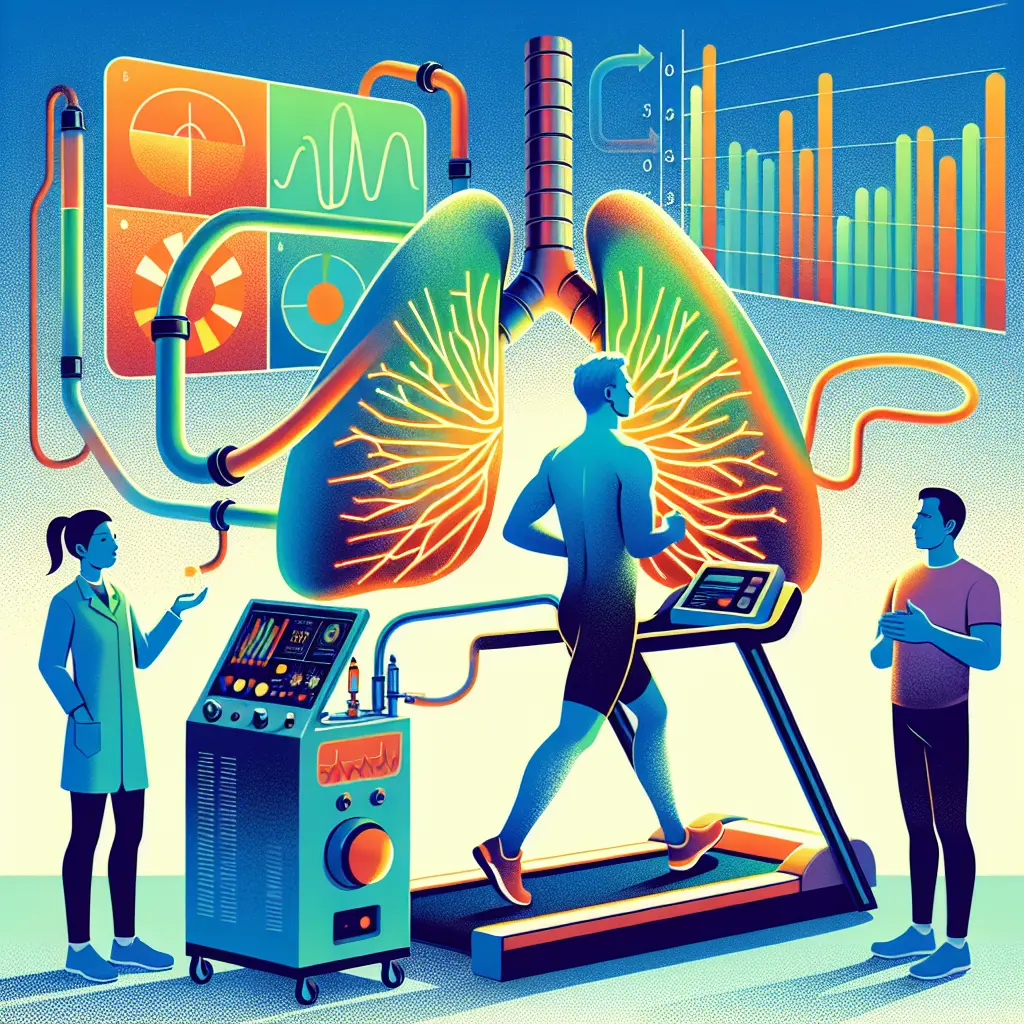
VO2max testing measures the maximum amount of oxygen an individual can utilize during intense exercise, reflecting their aerobic fitness level. Typically conducted using treadmills or cycle ergometers with respiratory gas analysis, the test determines cardiovascular and respiratory efficiency. Interpretation of VO2max results helps assess athletic potential, monitor training progress, and identify health risks. Higher VO2max values generally indicate superior endurance capacity and overall cardiovascular health.
VO2max Testing & Interpretation
VO2max testing measures the maximum amount of oxygen an individual can utilize during intense exercise, reflecting their aerobic fitness level. Typically conducted using treadmills or cycle ergometers with respiratory gas analysis, the test determines cardiovascular and respiratory efficiency. Interpretation of VO2max results helps assess athletic potential, monitor training progress, and identify health risks. Higher VO2max values generally indicate superior endurance capacity and overall cardiovascular health.
💡 Key Takeaways
- Understand that VO2max is the maximum oxygen your body can use during intense exercise and what it indicates about aerobic fitness.
- Know how VO2max testing is performed (treadmill or cycle ergometer with respiratory gas analysis) to assess cardiovascular and respiratory efficiency.
- Learn how to interpret VO2max values (often in ml/kg/min) and what they mean for endurance potential and sport demands.
- Identify ways to improve VO2max through structured aerobic training, interval work, and consider factors that can affect test results (age, training status, genetics).
❓ Frequently Asked Questions
What is VO2max?
VO2max is the maximum rate at which your body can take in, transport, and use oxygen during intense exercise, usually expressed as ml/kg/min (or L/min). It reflects overall aerobic fitness.
How is VO2max tested?
It is measured during a graded exercise test on a treadmill or cycle ergometer with respiratory gas analysis, where workload increases until exhaustion.
How should VO2max be interpreted?
Higher VO2max generally means greater aerobic capacity, but values vary with age, sex, and training. Labs often compare you to normative data or your own baseline to gauge progress.
What factors influence VO2max?
Genetics, age, training status, altitude, body composition, health status, and fatigue levels can all affect VO2max.
Can VO2max be improved, and how?
Yes. Regular aerobic training, especially intervals and sustained endurance work, can raise VO2max over weeks to months with adequate recovery.