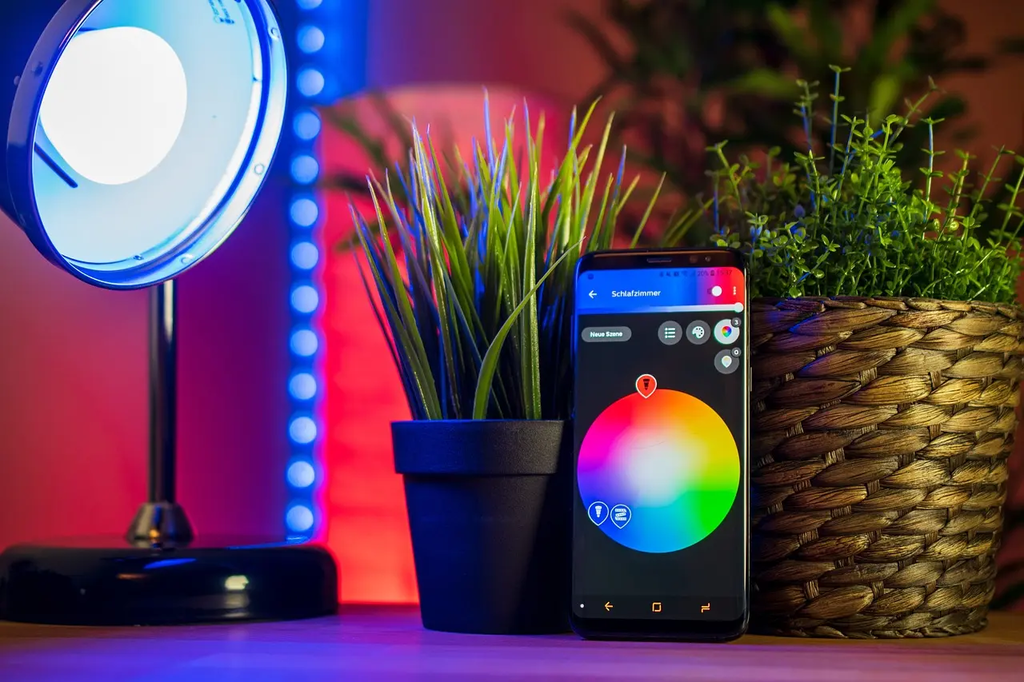
Voice assistants, powered by Natural Language Processing (NLP), have transformed home environments by enabling hands-free control of devices through spoken commands. These technologies interpret and respond to everyday language, allowing users to manage tasks like playing music, setting reminders, controlling smart appliances, or obtaining information. By understanding and processing speech, voice assistants offer convenience, accessibility, and personalized experiences, making homes smarter and daily routines more efficient.
Voice Assistants and NLP at Home
Voice assistants, powered by Natural Language Processing (NLP), have transformed home environments by enabling hands-free control of devices through spoken commands. These technologies interpret and respond to everyday language, allowing users to manage tasks like playing music, setting reminders, controlling smart appliances, or obtaining information. By understanding and processing speech, voice assistants offer convenience, accessibility, and personalized experiences, making homes smarter and daily routines more efficient.
💡 Key Takeaways
- Understand how NLP powers hands-free control of home devices by turning spoken commands into actions.
- Learn the main stages of a voice assistant pipeline: wake word, speech-to-text, intent recognition, and command execution.
- Explore how different natural language phrasings map to the same task (e.g., 'turn on the living room lights' vs. 'lights on in the living room').
- Consider privacy and data handling, including on-device vs. cloud processing and data minimization.
❓ Frequently Asked Questions
What is NLP and how do voice assistants work at home?
NLP stands for Natural Language Processing. Voice assistants convert speech to text (ASR), interpret intent (NLU), and respond or act (NLG), often via cloud processing.
What tasks can voice assistants handle in everyday home life?
They can play music, set reminders and alarms, control smart devices (lights, thermostat), answer questions, provide weather updates, and run routines like timers.
How do voice assistants protect my privacy and data?
Voice data may be recorded and sent to servers for processing. You can manage privacy settings, mute the mic, delete voice history, and opt out of data collection where available.
How can I get the best results from my voice assistant in a noisy environment?
Speak clearly and close to the device, reduce background noise, use the wake word consistently, and keep the device software up to date with the correct language settings.