Voiceover and narration basics refer to the foundational skills and techniques used to deliver spoken content for various media, such as films, commercials, audiobooks, and animations. In creative careers and media, understanding tone, pacing, clarity, and emotional expression is essential. Professionals must also be familiar with recording technology, script interpretation, and adapting their voice to suit different projects, making these skills vital for effective storytelling and audience engagement.
Voiceover and Narration Basics
Voiceover and narration basics refer to the foundational skills and techniques used to deliver spoken content for various media, such as films, commercials, audiobooks, and animations. In creative careers and media, understanding tone, pacing, clarity, and emotional expression is essential. Professionals must also be familiar with recording technology, script interpretation, and adapting their voice to suit different projects, making these skills vital for effective storytelling and audience engagement.
💡 Key Takeaways
- Understand the difference between voiceover and narration and when to use each in media projects.
- Deliver a clear, natural read with proper pacing, tone, and articulation.
- Set up a basic recording environment: quiet space, suitable microphone, and proper placement.
- Apply basic post-production checks: level normalization, noise reduction, and consistency across takes.
❓ Frequently Asked Questions
What is the difference between voiceover and narration?
Voiceover is spoken audio added to video or media. Narration is a storytelling or explanatory voiceover that guides the viewer through the content.
What basic equipment do you need for voiceover?
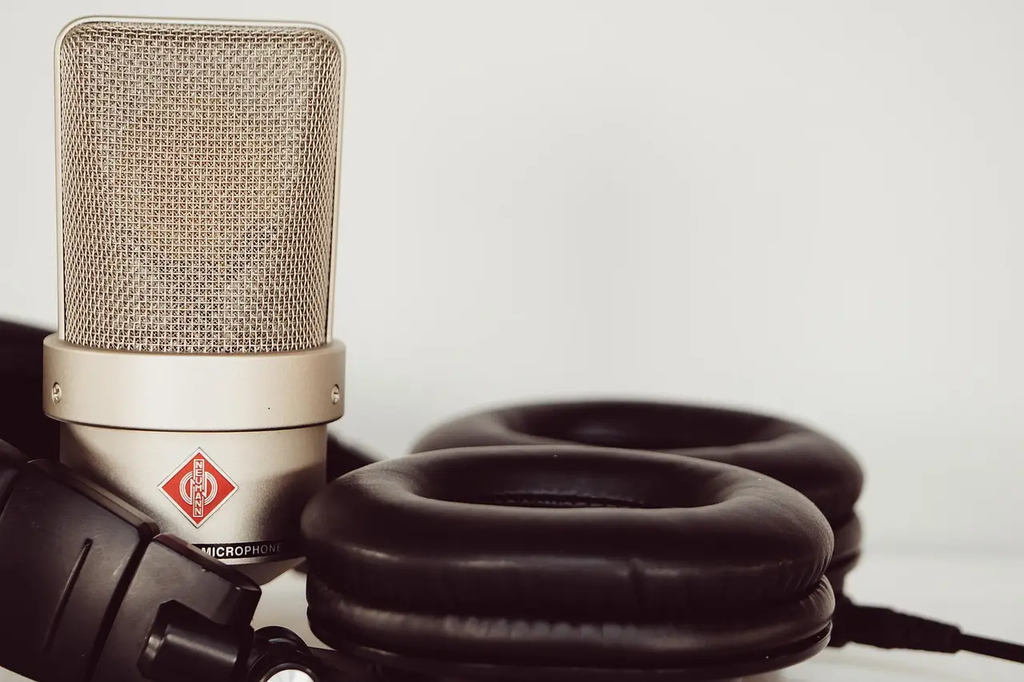
A good microphone, an audio interface or recorder, closed-back headphones, a pop filter, a mic stand, a quiet recording space, and simple recording software.
How should you prepare before recording a narration?
Read the script aloud, mark emphasis and pacing, warm up your voice, test recording levels, and ensure a quiet, echo-free space.
What are key mic techniques for clear narration?
Maintain a consistent distance from the mic (about 6–12 inches), use a pop filter, control breaths, avoid mouth noises, and monitor with headphones to keep levels steady.