Voltage, current, and resistance are fundamental concepts in electricity and circuits. Voltage is the electrical potential difference between two points, driving current through a circuit. Current is the flow of electric charge, measured in amperes. Resistance is the opposition to current flow, measured in ohms. Together, these principles form the basis of Ohm’s Law, which states that current equals voltage divided by resistance, essential for understanding and designing electrical circuits.
Voltage, Current & Resistance Basics+50
Voltage, current, and resistance are fundamental concepts in electricity and circuits. Voltage is the electrical potential difference between two points, driving current through a circuit. Current is the flow of electric charge, measured in amperes. Resistance is the opposition to current flow, measured in ohms. Together, these principles form the basis of Ohm’s Law, which states that current equals voltage divided by resistance, essential for understanding and designing electrical circuits.
💡 Key Takeaways
- Understand what voltage, current, and resistance are and how they interact in a circuit.
- Use Ohm's Law to relate voltage, current, and resistance and solve simple problems.
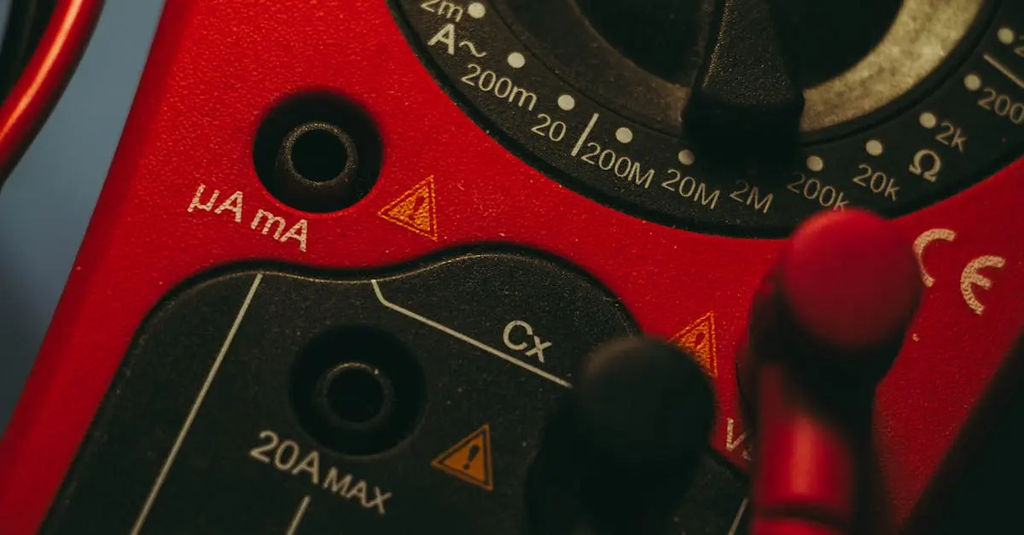
- Learn how to measure voltage and current with basic meters and interpret the readings.
- Explore factors that affect resistance (material, temperature, size) and how series vs parallel arrangements change overall resistance.
❓ Frequently Asked Questions
What is voltage?
Voltage is the electric potential difference that pushes charge through a circuit; it is measured in volts (V).
What is current?
Current is the flow of electric charges through a conductor; it is measured in amperes (A) and is related to voltage and resistance by I = V/R.
What is resistance?
Resistance is the opposition to current flow; it is measured in ohms (Ω) and is V/I.
What is Ohm's Law?
Ohm's Law describes the relationship between voltage, current, and resistance: I = V/R and V = I×R.
How do series and parallel circuits differ in voltage and current?
Series: same current through all components and voltages add. Parallel: same voltage across all branches and currents add.