War crimes are serious violations of the laws and customs applicable in armed conflict, targeting civilians or prisoners, such as willful killing, torture, or inhumane treatment. Humanitarian law, also known as International Humanitarian Law (IHL), is a set of rules designed to limit the effects of armed conflict by protecting those not participating in hostilities and restricting the means and methods of warfare. War crimes breach these legal protections.
War Crimes and Humanitarian Law
War crimes are serious violations of the laws and customs applicable in armed conflict, targeting civilians or prisoners, such as willful killing, torture, or inhumane treatment. Humanitarian law, also known as International Humanitarian Law (IHL), is a set of rules designed to limit the effects of armed conflict by protecting those not participating in hostilities and restricting the means and methods of warfare. War crimes breach these legal protections.
💡 Key Takeaways
- Define war crimes under international humanitarian law with examples like willful killing, torture, and mistreatment of civilians or prisoners.
- Understand the purpose of IHL: to protect civilians and other non-combatants and to limit the means and methods of warfare.
- Identify who is bound by IHL and how individuals can be held responsible for war crimes (national courts and international tribunals).
- Learn the key IHL principles of distinction, proportionality, and precaution to minimize civilian harm.
- Recognize protected persons and objects under IHL, such as civilians, medical personnel, and medical facilities.
❓ Frequently Asked Questions
What is international humanitarian law (IHL)?
IHL is a set of rules that apply during armed conflicts to protect people not taking part in fighting and to limit how wars are fought.
What counts as a war crime?
War crimes are grave IHL violations, such as willful killing, torture, taking hostages, unlawful attacks on civilians or protected places, and mistreatment of prisoners.
What are the core principles guiding IHL?
Distinction (civilians vs. combatants), proportionality (harm must not be excessive relative to the military objective), and precautions to minimize civilian harm.
How is IHL enforced and who prosecutes war crimes?
National courts prosecute cases, while international bodies like the International Criminal Court (ICC) and ad hoc tribunals handle indictments and trials for war crimes.
Who is protected under IHL?
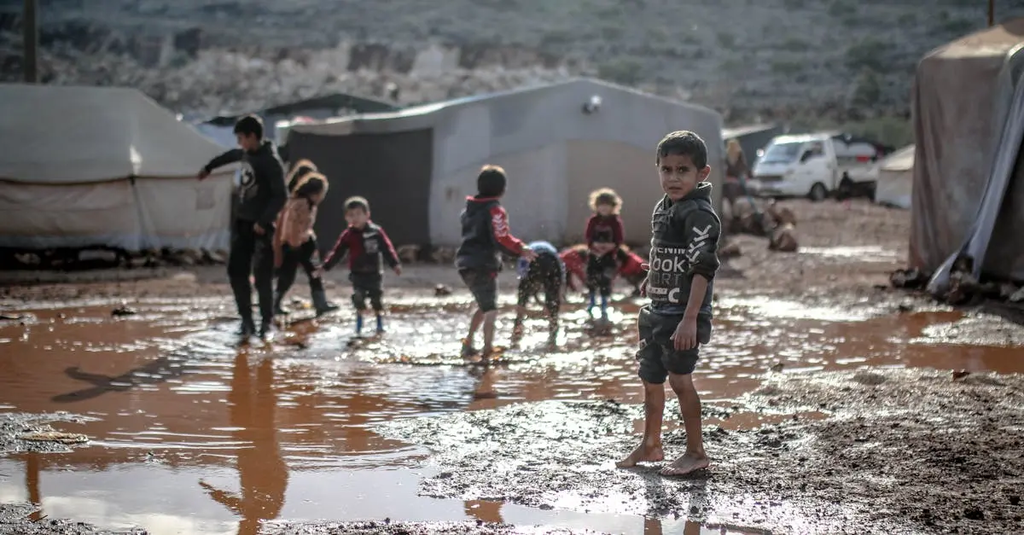
Civilians, wounded or captured soldiers (hors de combat), medical personnel, aid workers, prisoners of war, and protected objects like hospitals and cultural property.