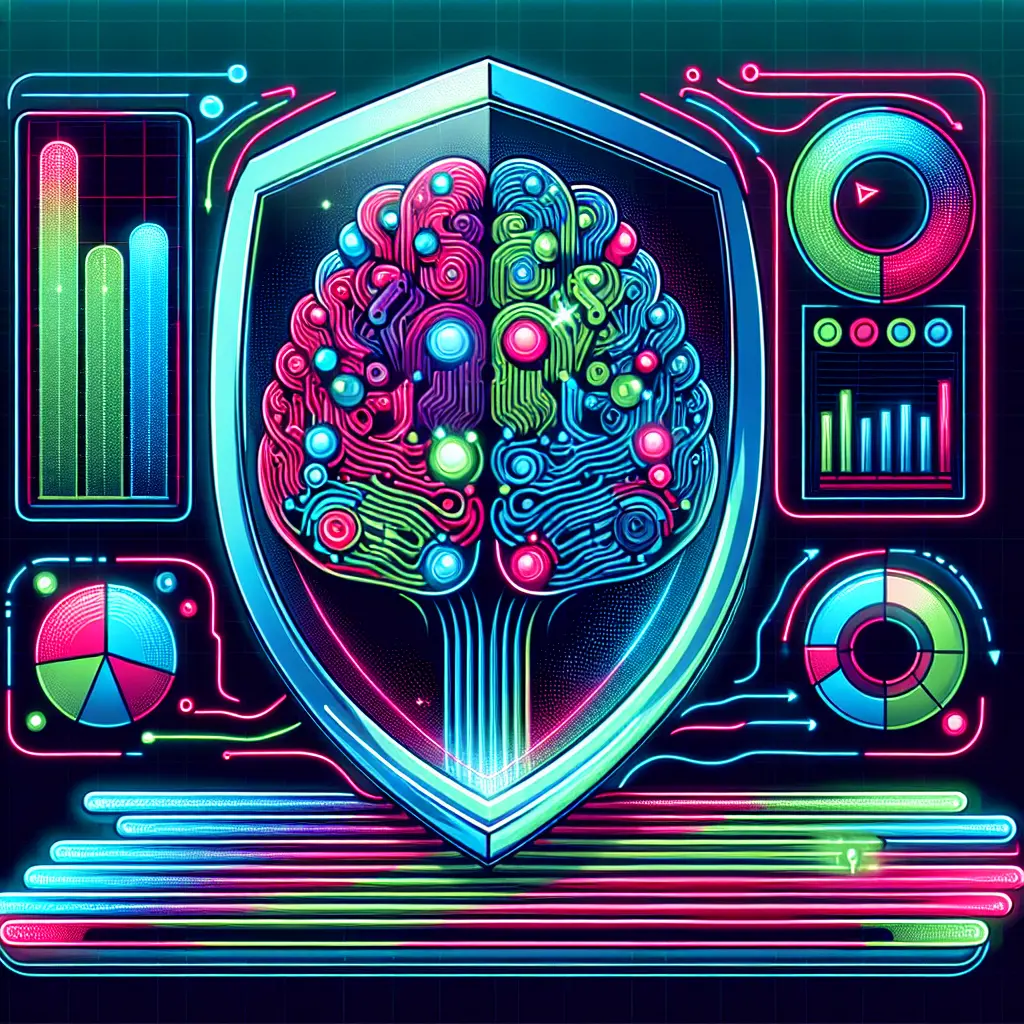
War-gaming AI-enabled crises involves using advanced simulations and artificial intelligence to model, analyze, and predict the outcomes of potential conflict scenarios or emergency situations. This approach helps decision-makers anticipate adversary actions, assess vulnerabilities, and develop effective response strategies. By integrating AI, these exercises can process vast data, adapt to evolving threats, and provide more realistic, dynamic representations of complex crises, ultimately improving preparedness and strategic planning.
War-gaming AI-enabled crises
War-gaming AI-enabled crises involves using advanced simulations and artificial intelligence to model, analyze, and predict the outcomes of potential conflict scenarios or emergency situations. This approach helps decision-makers anticipate adversary actions, assess vulnerabilities, and develop effective response strategies. By integrating AI, these exercises can process vast data, adapt to evolving threats, and provide more realistic, dynamic representations of complex crises, ultimately improving preparedness and strategic planning.

💡 Key Takeaways
- Understand how AI-driven war-gaming simulates crises to forecast outcomes and test response options.
- Learn how simulations help anticipate adversary moves, vulnerabilities, and cascading risks across domains.
- Explore best practices for AI risk readiness: data quality, model governance, transparency, and uncertainty management in simulations.
- Examine emerging trends in future-war gaming: real-time data integration, multi-domain scenarios, and decision-support for leaders.
❓ Frequently Asked Questions
What is war-gaming in AI-enabled crises?
A structured use of simulations and AI models to recreate potential conflict or emergency scenarios, helping leaders explore actions, outcomes, and uncertainties before they happen.
What are the main benefits of AI-enabled war-gaming?
It helps anticipate adversary moves, identify vulnerabilities, compare response options, and strengthen strategic risk readiness under uncertainty.
What does 'strategic AI risk readiness' mean?
The ability to anticipate, assess, and mitigate AI-driven crisis risks through validated models, governance, data quality, and trained decision-makers.
What AI techniques are commonly used in war-gaming?
Agent-based modeling, predictive analytics, scenario generation, reinforcement learning, and visualization to explore futures and stress-test plans.
What are important considerations and limits of AI war-gaming?
Ensure model validity, avoid overreliance on simulations, address data bias and ethical concerns, and continuously update models to reflect new threats and technologies.