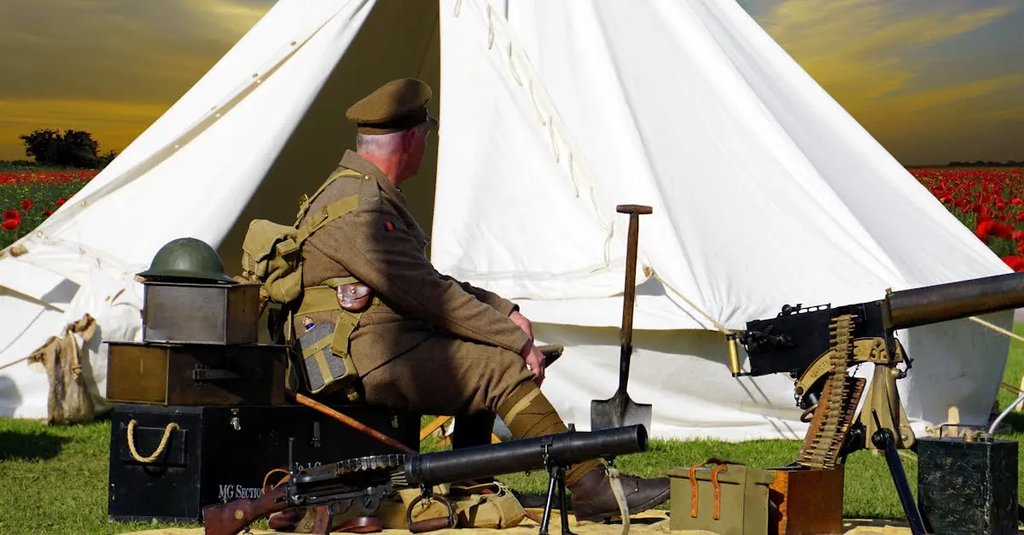
War poetry and cultural memory of WWI refer to how poems written during and after World War I shape collective understanding and remembrance of the conflict. Poets like Wilfred Owen and Siegfried Sassoon captured the horrors, trauma, and disillusionment experienced by soldiers. Their works influence how later generations perceive the war, emphasizing its brutality and futility, and contribute to memorializing the emotional and psychological impact on society.
War poetry and cultural memory of WWI
War poetry and cultural memory of WWI refer to how poems written during and after World War I shape collective understanding and remembrance of the conflict. Poets like Wilfred Owen and Siegfried Sassoon captured the horrors, trauma, and disillusionment experienced by soldiers. Their works influence how later generations perceive the war, emphasizing its brutality and futility, and contribute to memorializing the emotional and psychological impact on society.
💡 Key Takeaways
- Understand how WWI poetry helped shape UK cultural memory and remembrance of the war.
- Identify key themes in Owen and Sassoon - horror, trauma, and disillusionment.
- Explain how war poetry shifted public memory from patriotic rhetoric to a more critical view of war.
- Explore how poetry influences memorial practices and collective memory in post-WWI Britain.
❓ Frequently Asked Questions
What is war poetry in WWI and what themes does it explore?
WWI war poetry is poetry written during or about World War I that portrays soldiers' experiences. Common themes include trench realities, trauma and death, disillusionment with patriotic rhetoric, and critiques of propaganda and glory.
Who were Wilfred Owen and Siegfried Sassoon, and why are they central to WWI poetry?
Wilfred Owen and Siegfried Sassoon are two of the most influential WWI poets. Owen highlights graphic battlefield horror (e.g., gas attacks); Sassoon offers blunt protest against war and leadership. Together, they shaped how the war is remembered in UK culture.
How did WWI poetry shape cultural memory in the UK?
The poems helped form a nuanced memory of WWI by foregrounding soldiers' suffering and moral injury, influencing education, Remembrance practices, and public conversations about war and violence.
What is the meaning of the old lie in Owen's work, and why is it significant?
The old lie refers to the line Dulce et decorum est pro patria mori, used to glorify dying for one’s country. Owen shows it as propaganda and exposes the brutal reality of war.
What stylistic features do Owen and Sassoon use to convey war's reality?
Owen uses vivid sensory imagery and irregular rhythm; Sassoon employs blunt diction and direct tone. Both strip away euphemism to emphasize the human cost of war.