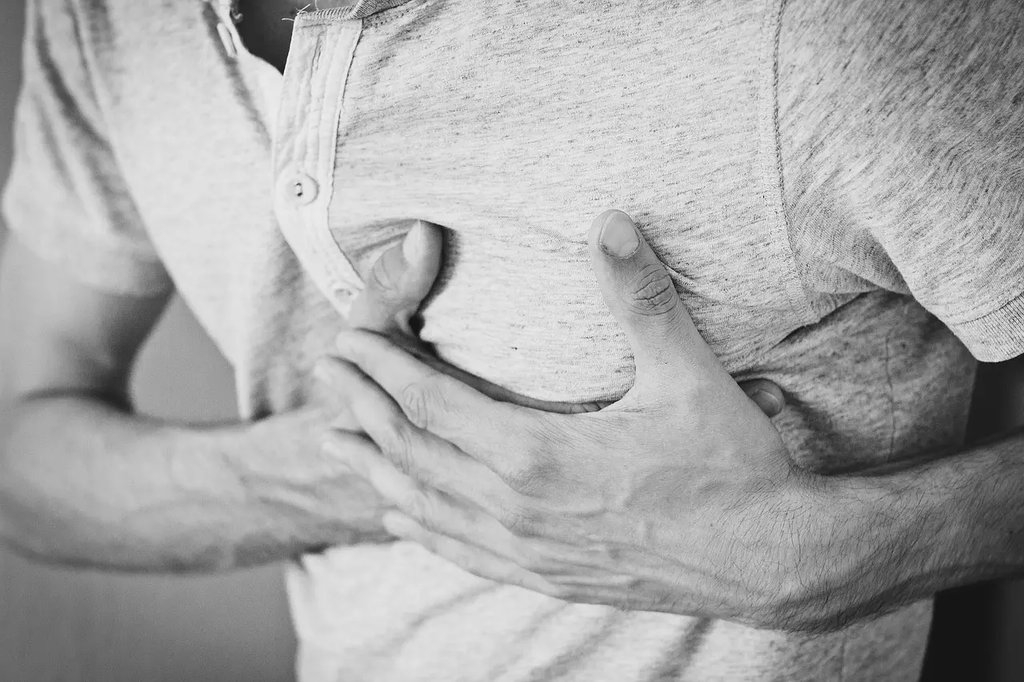
Warning signs of postpartum hemorrhage and anemia include excessive vaginal bleeding (soaking more than one pad per hour), large blood clots, dizziness, fainting, rapid heartbeat, shortness of breath, pale or clammy skin, and persistent weakness or fatigue. These symptoms may indicate significant blood loss or low iron levels after delivery, requiring immediate medical attention to prevent serious complications and ensure proper recovery during the post-pregnancy period.
Warning signs of postpartum hemorrhage and anemia
Warning signs of postpartum hemorrhage and anemia include excessive vaginal bleeding (soaking more than one pad per hour), large blood clots, dizziness, fainting, rapid heartbeat, shortness of breath, pale or clammy skin, and persistent weakness or fatigue. These symptoms may indicate significant blood loss or low iron levels after delivery, requiring immediate medical attention to prevent serious complications and ensure proper recovery during the post-pregnancy period.
💡 Key Takeaways
- Identify warning signs of postpartum hemorrhage, including very heavy bleeding, soaking through a pad quickly, passing large clots, dizziness, or fainting.
- Recognize symptoms of postpartum anemia, such as persistent fatigue, pale skin, shortness of breath, dizziness, or headaches.
- Differentiate between normal postpartum bleeding and warning signs that require medical attention.
- Know the immediate steps to take if warning signs occur, including contacting a healthcare provider or seeking urgent care.
❓ Frequently Asked Questions
What is postpartum hemorrhage?
Postpartum hemorrhage is heavy bleeding after childbirth. It’s usually defined as blood loss >500 mL after vaginal birth or >1000 mL after cesarean, or bleeding that doesn’t slow with initial care.
What are common warning signs of postpartum hemorrhage to watch for?
Signs include rapid, heavy vaginal bleeding, large blood clots, dizziness or fainting, pale or clammy skin, and a fast or weak pulse.
What is postpartum anemia and what symptoms might it cause?
Postpartum anemia is low red blood cell levels after birth, often due to blood loss or iron deficiency. It can cause fatigue, weakness, pale skin, shortness of breath, headaches, and dizziness.
When should you seek medical help if you suspect hemorrhage or anemia after giving birth?
Seek urgent care if bleeding is soaking through pads quickly or continuing, you feel faint, have chest pain or severe shortness of breath, or very pale skin. For possible anemia symptoms, contact your clinician for evaluation and potential iron treatment.