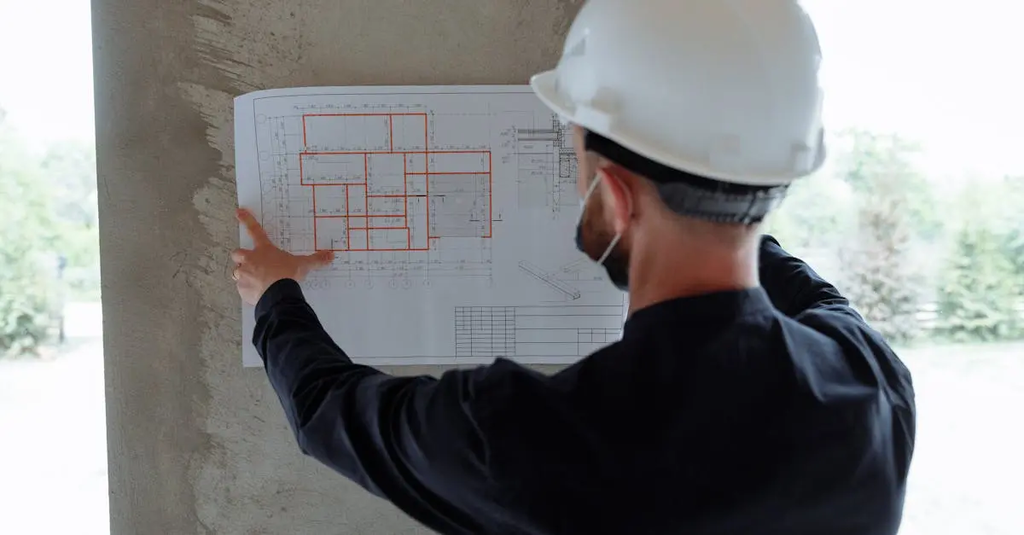
Waste management and circular economy basics in the construction environment focus on reducing, reusing, and recycling materials to minimize waste and environmental impact. This approach encourages designing buildings for durability, using sustainable materials, and recovering resources from construction and demolition processes. By closing resource loops and promoting efficient material use, the construction industry can decrease landfill waste, lower carbon emissions, and support a more sustainable, regenerative economic model.
Waste Management and Circular Economy Basics
Waste management and circular economy basics in the construction environment focus on reducing, reusing, and recycling materials to minimize waste and environmental impact. This approach encourages designing buildings for durability, using sustainable materials, and recovering resources from construction and demolition processes. By closing resource loops and promoting efficient material use, the construction industry can decrease landfill waste, lower carbon emissions, and support a more sustainable, regenerative economic model.
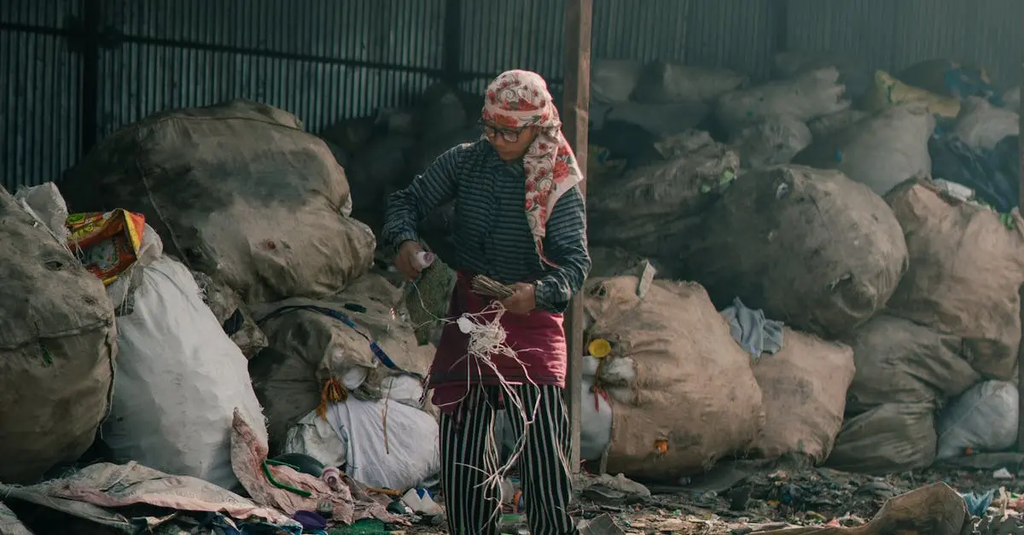
💡 Key Takeaways
- Understand the waste management hierarchy (reduce, reuse, recycle, recover) and its real-world applications.
- Explain the circular economy and how it differs from a linear take-make-dispose model.
- Identify major waste streams (plastics, organics, metals, electronics) and basic recycling/composting options.
- Learn practical steps to apply circularity in daily life and in product design (durability, repair, and material choices).
❓ Frequently Asked Questions
What is waste management?
The collection, sorting, treatment, and disposal of waste to protect health and the environment while reducing its volume and impact.
What is a circular economy?
An economic system that keeps materials in use longer, designs out waste, and regenerates natural resources.
What is the waste management hierarchy?
A ranking of actions from most to least preferred: reduce, reuse, recycle, energy recovery, and disposal.
How do reducing, reusing, and recycling work together?
Reduce prevents waste, reuse extends product life, and recycling recovers materials for new products.
What is extended producer responsibility (EPR)?
A policy where manufacturers share responsibility for the end-of-life management of their products.