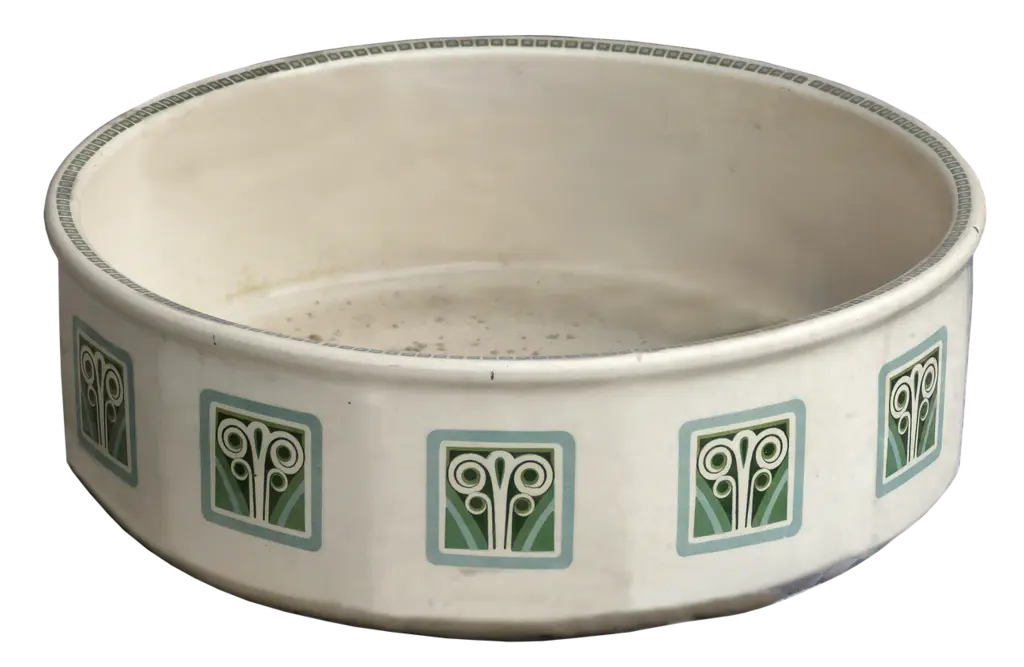
Water clocks, also known as clepsydras, are ancient timekeeping devices that measure time by the regulated flow of water. Used by civilizations such as the Egyptians, Greeks, Chinese, and Persians, they played a crucial role in daily life before mechanical clocks existed. Water clocks enabled people to track hours for religious rituals, work schedules, and scientific observations, highlighting their importance as essential tools in the evolution of timekeeping technology throughout history.
Water Clocks in History
Water clocks, also known as clepsydras, are ancient timekeeping devices that measure time by the regulated flow of water. Used by civilizations such as the Egyptians, Greeks, Chinese, and Persians, they played a crucial role in daily life before mechanical clocks existed. Water clocks enabled people to track hours for religious rituals, work schedules, and scientific observations, highlighting their importance as essential tools in the evolution of timekeeping technology throughout history.
💡 Key Takeaways
- Understand how water clocks measure time via regulated inflow or outflow of water.
- Explore their use across civilizations (Egypt, Mesopotamia, Greece, China, and the Islamic world) for daily timekeeping, rituals, and courts.
- Learn how accuracy was improved with calibrated marks, constant-head designs, and overflow methods.
- Trace their influence on later timekeeping and the shift from water clocks to mechanical clocks.
- Recognize practical limitations such as reliance on a water supply, evaporation, and maintenance.
❓ Frequently Asked Questions
What is a water clock (clepsydra) and how does it measure time?
A water clock uses a controlled flow of water to change a vessel’s level or to discharge at a steady rate; the water level or outflow is marked to indicate hours or minutes.
Where and when were water clocks used in history?
Water clocks appeared in ancient Egypt and Mesopotamia, later in Greece and China, and continued in the Islamic world; they were common before mechanical clocks became widespread in Europe.
What affects the accuracy of water clocks?
Factors like flow rate, temperature, water quality, vessel shape, and evaporation could cause readings to drift; hour lengths could also vary with seasons.
What are common designs or types of water clocks?
Outflow clocks release water through a small hole into a lower vessel, while inflow clocks regulate water entering a vessel; some used scales, floats, or pointers to read the time.