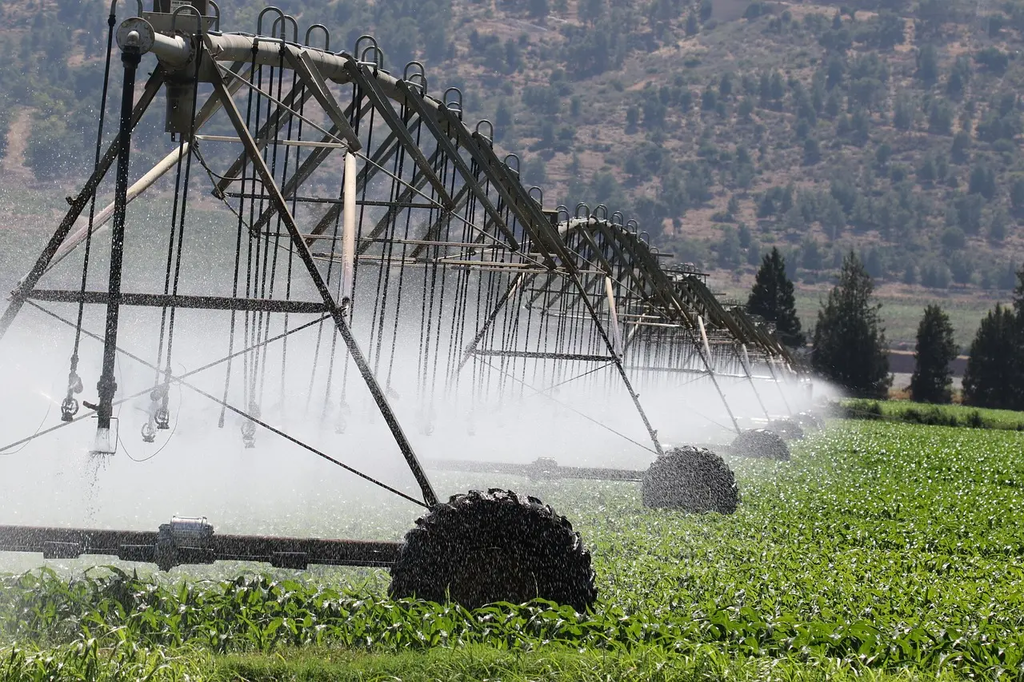
Water rights determine who can use water resources and how much they can use, which has shaped irrigation practices throughout history. Effective irrigation systems have enabled societies to cultivate crops in arid regions, supporting population growth and stable food supplies. Disputes over water rights often arise as demand increases, highlighting the critical relationship between water management, agricultural productivity, and food security across different civilizations and time periods.
Water rights, irrigation history, and food production
Water rights determine who can use water resources and how much they can use, which has shaped irrigation practices throughout history. Effective irrigation systems have enabled societies to cultivate crops in arid regions, supporting population growth and stable food supplies. Disputes over water rights often arise as demand increases, highlighting the critical relationship between water management, agricultural productivity, and food security across different civilizations and time periods.
💡 Key Takeaways
- Understand how water rights shaped irrigation practices and who could access water in American history.
- Explain how irrigation systems enabled farming in arid regions and supported population growth and stable food supplies.
- Explore the technological and institutional changes in irrigation (canals, dams, water governance) that transformed agricultural output.
- Identify key disputes over water rights and the policy and legal frameworks developed to manage water resources.
- Assess how water management influenced crop choices, food production, and regional foodways across American history.
❓ Frequently Asked Questions
What are water rights and why do they matter for irrigation in history?
Water rights are legal entitlements that determine who may use water from a source, how much they can use, and when. Throughout history, they shaped irrigation practices, farm sizes, and where populations could sustain crops.
How has irrigation history enabled food production in arid regions of the United States?
Irrigation systems—from ancient canals to modern pumping—expanded cultivation beyond rainfall, supporting population growth and more reliable food supplies in arid and semi-arid areas.
What are the main irrigation methods and their trade-offs?
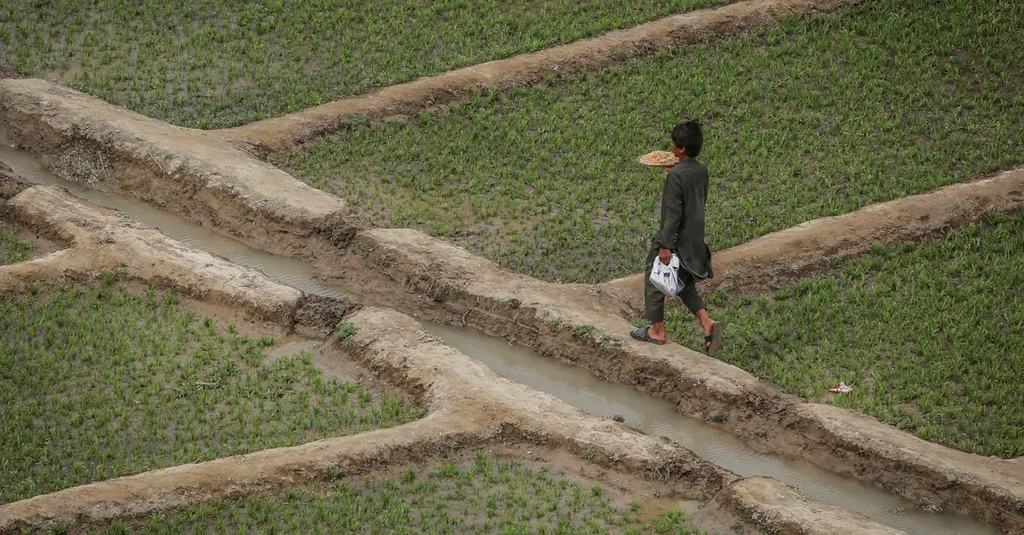
Surface (flood/furrow) irrigation is inexpensive but wasteful; sprinkler systems simulate rain and work across climates; drip irrigation delivers water directly to roots with high efficiency—each method has different costs and suitability.
Why do disputes over water rights arise and how are they resolved?
Disputes arise from scarce water resources and competing demands (farm, urban, industrial). They are addressed through laws, water districts, court rulings, and interstate or intrastate compacts.