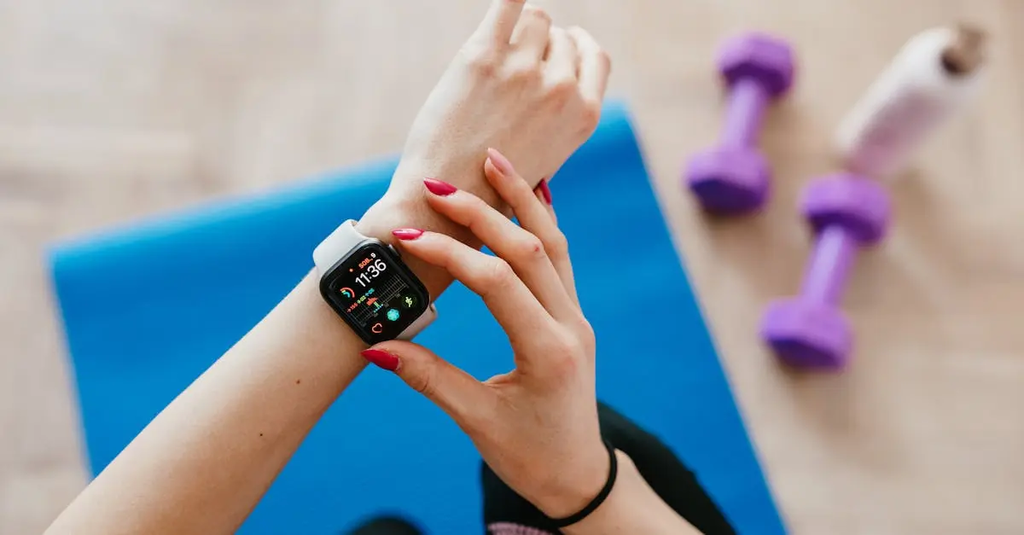
Wearable health tech refers to electronic devices worn on the body, such as smartwatches, fitness trackers, or biosensors, that monitor and track health-related data. These devices can measure heart rate, sleep patterns, physical activity, and sometimes even blood oxygen or glucose levels. They help users manage their health, set fitness goals, and provide real-time feedback, often syncing with smartphones or health apps for deeper insights and personalized recommendations.
Wearable Health Tech
Wearable health tech refers to electronic devices worn on the body, such as smartwatches, fitness trackers, or biosensors, that monitor and track health-related data. These devices can measure heart rate, sleep patterns, physical activity, and sometimes even blood oxygen or glucose levels. They help users manage their health, set fitness goals, and provide real-time feedback, often syncing with smartphones or health apps for deeper insights and personalized recommendations.
💡 Key Takeaways
- Identify common wearable health devices (smartwatches, fitness trackers, biosensors) and the health data they typically monitor (heart rate, sleep, activity, SpO2, glucose when available).
- Explain how continuous data from wearables can reveal trends and inform daily health decisions and long-term wellness.
- Understand the limitations and accuracy considerations of wearables and when to confirm measurements with clinical tests.
- Consider privacy, data security, and sharing implications when using wearable health tech with apps or healthcare providers.
❓ Frequently Asked Questions
What is wearable health tech?
Wearable health tech refers to electronic devices worn on the body (like smartwatches or fitness trackers) that monitor health-related data and activities.
Which health metrics can wearables track?
They can measure heart rate, sleep patterns, daily activity (steps, distance, calories), and some models also estimate blood oxygen levels and glucose.
What is SpO2 and why do wearables measure it?
SpO2 is blood oxygen saturation; wearables estimate it to monitor respiration and circulation trends, though it is not a medical diagnosis.
How should you use data from wearables?
Use trends to inform healthy decisions and discuss unusual changes with a healthcare professional; wearable readings are estimates, not medical tests.