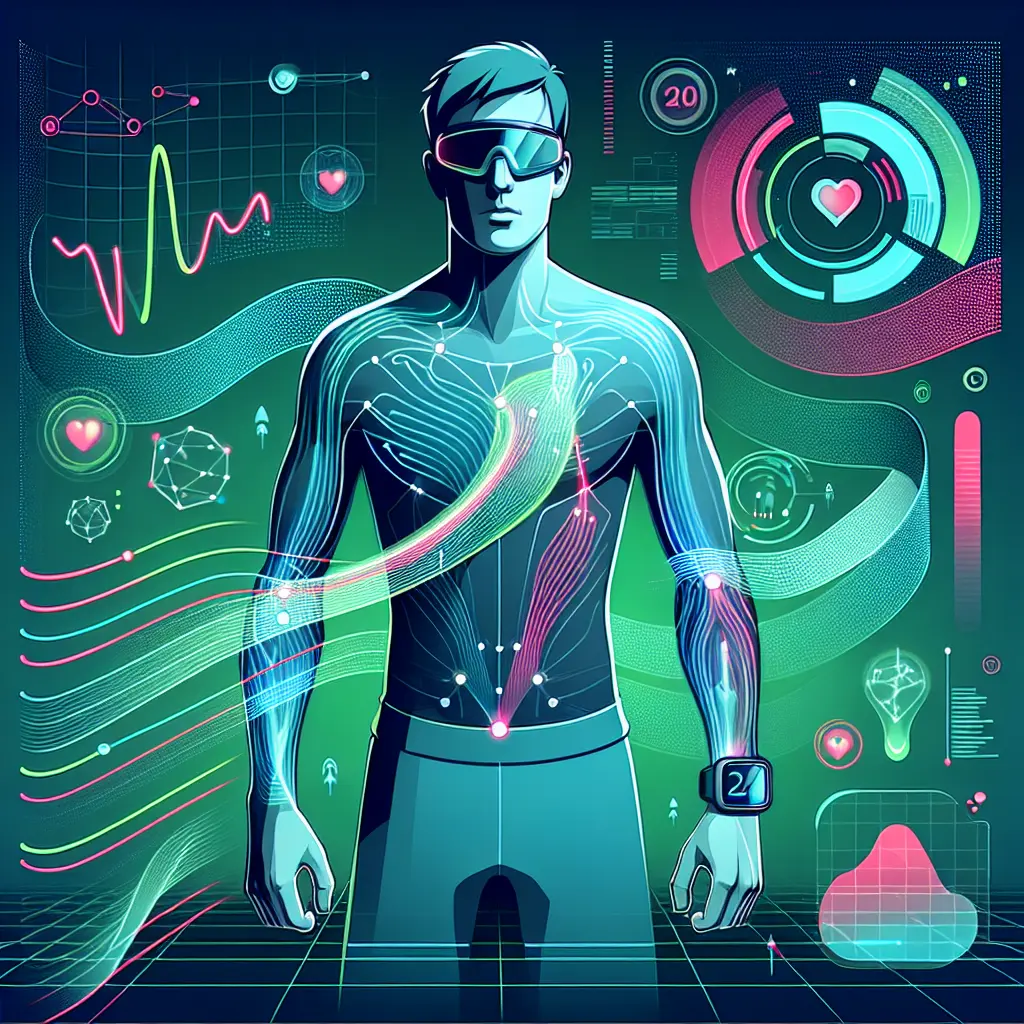
Wearable tech refers to electronic devices worn on the body, such as smartwatches or fitness trackers, that monitor and collect personal data. Data tracking involves recording metrics like steps taken, heart rate, sleep patterns, and more. This technology enables users to gain insights into their health, activity, and habits, promoting informed lifestyle choices and personalized wellness. It also supports remote health monitoring and can integrate with apps for deeper analysis and goal setting.
Wearable Tech & Data Tracking
Wearable tech refers to electronic devices worn on the body, such as smartwatches or fitness trackers, that monitor and collect personal data. Data tracking involves recording metrics like steps taken, heart rate, sleep patterns, and more. This technology enables users to gain insights into their health, activity, and habits, promoting informed lifestyle choices and personalized wellness. It also supports remote health monitoring and can integrate with apps for deeper analysis and goal setting.
💡 Key Takeaways
- Identify common wearable devices (smartwatches, fitness trackers) and the types of data they collect.
- Understand key metrics like steps, heart rate, sleep, and activity, and what they reveal about fitness and recovery.
- Learn how wearable data can inform goal setting and tailor training plans or daily habits.
- Be aware of data accuracy limits, privacy considerations, and how device settings affect what you see.
❓ Frequently Asked Questions
What is wearable tech in fitness and sports?
Wearable tech are devices worn on the body—like smartwatches, fitness trackers, or chest straps—that monitor activity and health metrics to provide insights.
What data do wearable devices collect?
Common metrics include steps, distance, calories burned, heart rate, sleep patterns, active minutes, and GPS routes (with some devices offering VO2 max or recovery data).
How can this data help improve training and health?
By showing trends over time, it helps you set goals, tailor workouts, optimize recovery, and improve sleep.
Are wearable sensors accurate and reliable?
They’re useful for tracking trends, but accuracy varies by device and activity. Readings can be affected by fit, movement, and sensor type.
What about privacy and data security with wearable data?
Data is stored on devices and in apps. Review privacy settings and permissions, and limit sharing if you’re concerned.