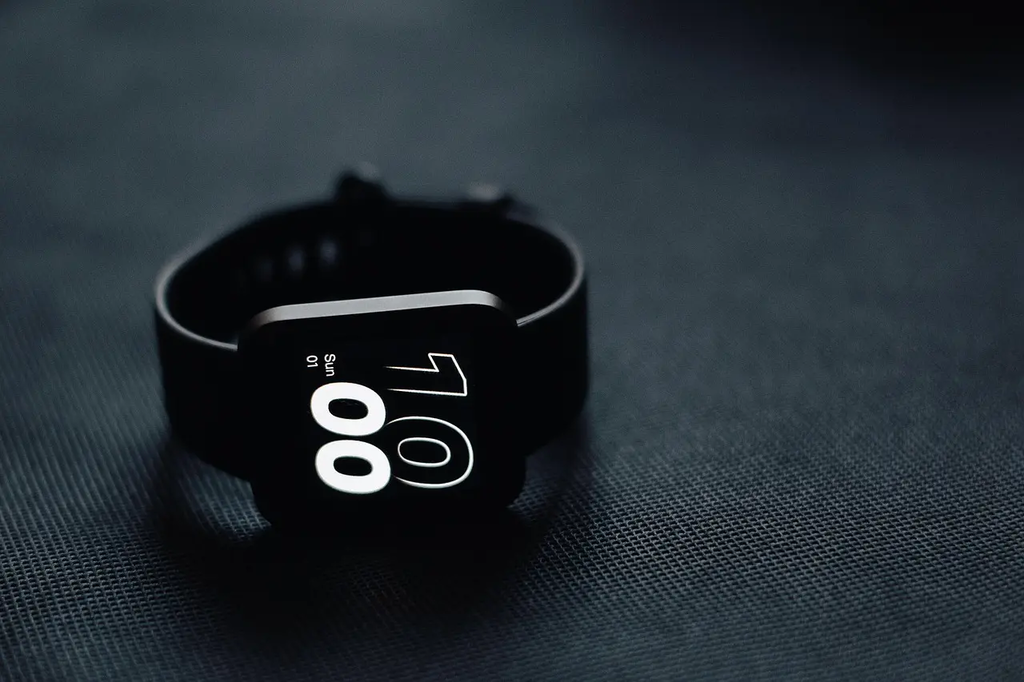
Wearables are electronic devices designed to be worn on the body, such as smartwatches, fitness trackers, and smart glasses. They often monitor health metrics like heart rate, steps, and sleep patterns, or provide convenient access to notifications and apps. Wearables seamlessly integrate technology into daily life, offering real-time data, hands-free operation, and enhanced connectivity. Their popularity continues to grow as they become more advanced and user-friendly.
Wearables
Wearables are electronic devices designed to be worn on the body, such as smartwatches, fitness trackers, and smart glasses. They often monitor health metrics like heart rate, steps, and sleep patterns, or provide convenient access to notifications and apps. Wearables seamlessly integrate technology into daily life, offering real-time data, hands-free operation, and enhanced connectivity. Their popularity continues to grow as they become more advanced and user-friendly.
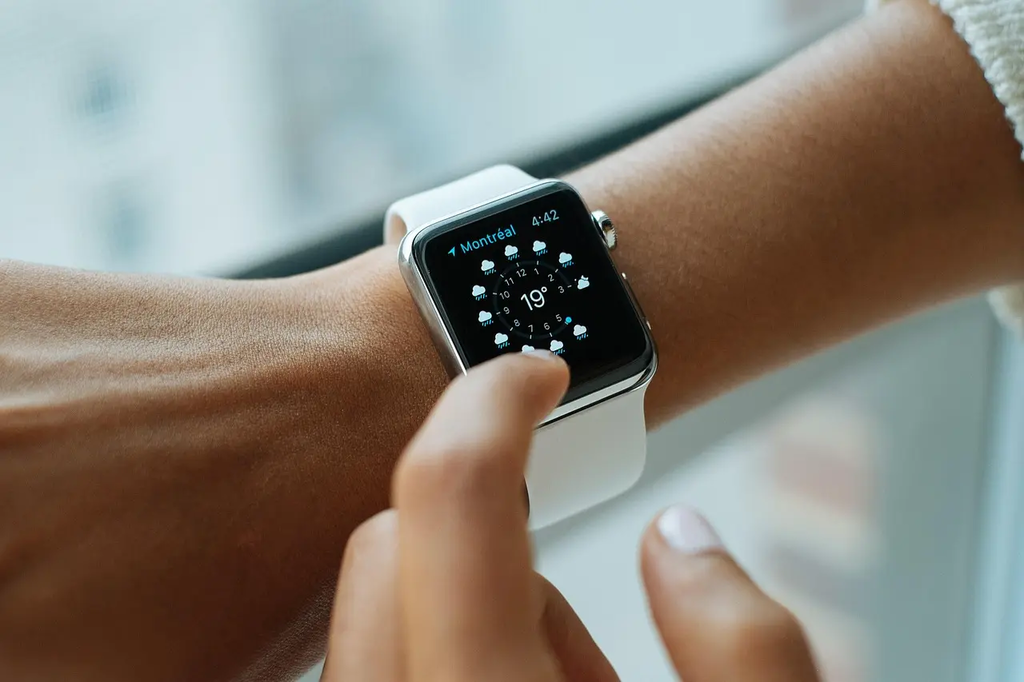
💡 Key Takeaways
- Identify common wearables (smartwatches, fitness trackers, smart glasses) and their typical uses.
- Explain the health metrics wearables track (heart rate, steps, sleep) and how they relate to daily activity.
- Describe how wearables deliver notifications, apps, and sync with other devices or ecosystems.
- Recognize privacy and security considerations when using wearables and sharing health data.
❓ Frequently Asked Questions
What are wearables?
Wearables are devices worn on the body (like smartwatches, fitness bands, and smart glasses) that connect to your phone or the internet to monitor health metrics and provide quick access to notifications and apps.
What health and activity metrics do wearables typically track?
Common metrics include heart rate, steps, calories burned, sleep patterns, and sometimes advanced data like ECG or SpO2, depending on the device.
How do wearables connect and share data with other devices?
Most use Bluetooth to pair with a smartphone and sync data via a companion app; some also support Wi‑Fi or cellular for independent use.
What should you consider about battery life and privacy?
Battery life varies (from about a day to several days). Wearables collect health data—review privacy settings, app permissions, and keep firmware updated.