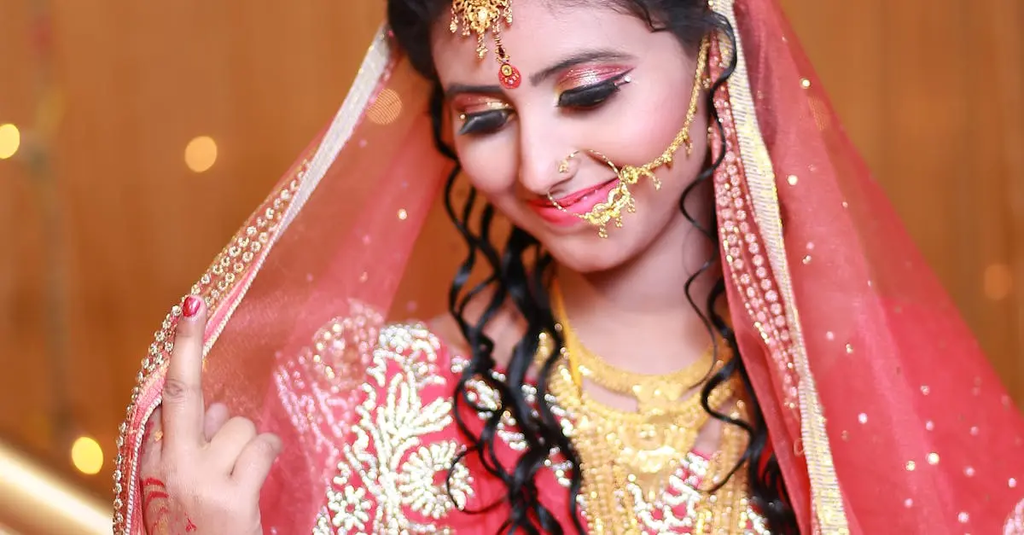
Wedding traditions around the world are incredibly diverse, reflecting each culture’s unique history, beliefs, and customs. From vibrant Indian ceremonies with intricate rituals and colorful attire to the symbolic tea ceremonies in China, every culture celebrates marriage in its own special way. Traditions may include exchanging vows, wearing traditional garments, performing dances, or sharing communal meals, all symbolizing unity, love, and the joining of families. These customs highlight the universal importance of marriage while honoring local heritage.
Wedding Traditions Around the World+50
Wedding traditions around the world are incredibly diverse, reflecting each culture’s unique history, beliefs, and customs. From vibrant Indian ceremonies with intricate rituals and colorful attire to the symbolic tea ceremonies in China, every culture celebrates marriage in its own special way. Traditions may include exchanging vows, wearing traditional garments, performing dances, or sharing communal meals, all symbolizing unity, love, and the joining of families. These customs highlight the universal importance of marriage while honoring local heritage.
💡 Key Takeaways
- Understand how wedding rituals reflect cultural beliefs and symbolism across different regions.
- Identify key ceremonies and customs from major traditions, such as Indian mehndi and baraat, Chinese tea ceremonies, and Western weddings.
- Recognize how attire, colors, music, and decorations convey meaning in various cultures.
- Compare how families and communities participate in and celebrate weddings around the world.
❓ Frequently Asked Questions
What does traditional Indian bridal attire and the color red symbolize?
Brides typically wear red outfits (like a lehenga or sari), symbolizing prosperity, fertility, and auspicious beginnings; the groom often wears a decorated sherwani.
What happens during a Chinese tea ceremony?
The couple serves tea to their elders to show respect; elders bless them and may give red envelopes or gifts in return.
What is San-San-Kudo in a Japanese wedding?
The couple drinks sake from three ceremonial cups to symbolize the union of two families and the sealing of vows.
What is the purpose of vows and rings in many Western weddings?
Vows express commitment, and wedding rings symbolize eternal love; the officiant pronounces them married, often followed by a kiss.