Welsh choral traditions refer to the rich and longstanding practice of group singing in Wales, often featuring male voice choirs and mixed ensembles. Rooted in religious and community gatherings, these traditions emphasize harmony, powerful vocal expression, and a strong sense of national identity. Eisteddfod festivals and chapel services have helped preserve and popularize this musical heritage, making choral singing a celebrated and integral part of Welsh culture and social life.
Welsh choral traditions
Welsh choral traditions refer to the rich and longstanding practice of group singing in Wales, often featuring male voice choirs and mixed ensembles. Rooted in religious and community gatherings, these traditions emphasize harmony, powerful vocal expression, and a strong sense of national identity. Eisteddfod festivals and chapel services have helped preserve and popularize this musical heritage, making choral singing a celebrated and integral part of Welsh culture and social life.
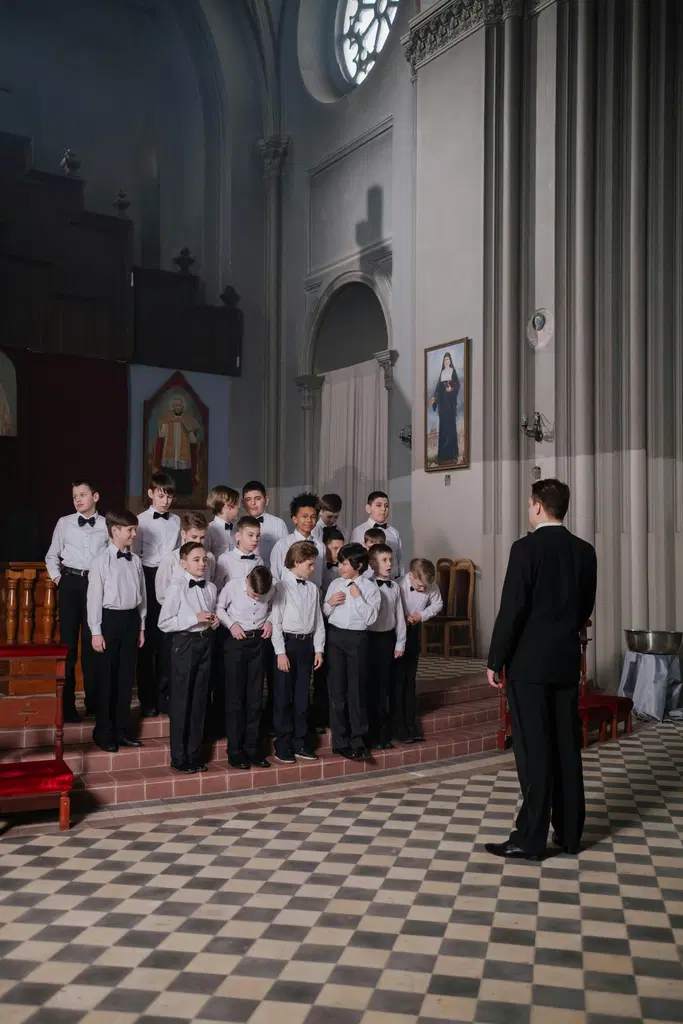
💡 Key Takeaways
- Learn the historical roots of Welsh choral singing and its ties to religious and community life.
- Identify common Welsh choir formats, including male voice choirs and mixed ensembles.
- See how festivals like the eisteddfod promote choral performance and Welsh culture.
- Understand what gives the Welsh choral sound its harmony, power, and clear diction.
- Explore how choral traditions reinforce national identity and community cohesion in Wales.
❓ Frequently Asked Questions
What are Welsh choral traditions?
A long-standing practice of group singing in Wales, often in churches or chapels, emphasizing harmony, powerful vocal expression, and a shared sense of national identity.
What types of choirs are common in Welsh tradition?
Traditionally male voice choirs and mixed choral ensembles; modern practice also includes women’s groups.
What role do these traditions play in Welsh culture?
They foster community and worship, reinforce national pride, and are linked to events like chapel gatherings and the National Eisteddfod.
Where did Welsh choral singing originate and how has it evolved?
Originating in religious and chapel culture and expanding through industrial communities, it remains central to Welsh identity and is celebrated at festivals and concerts today.