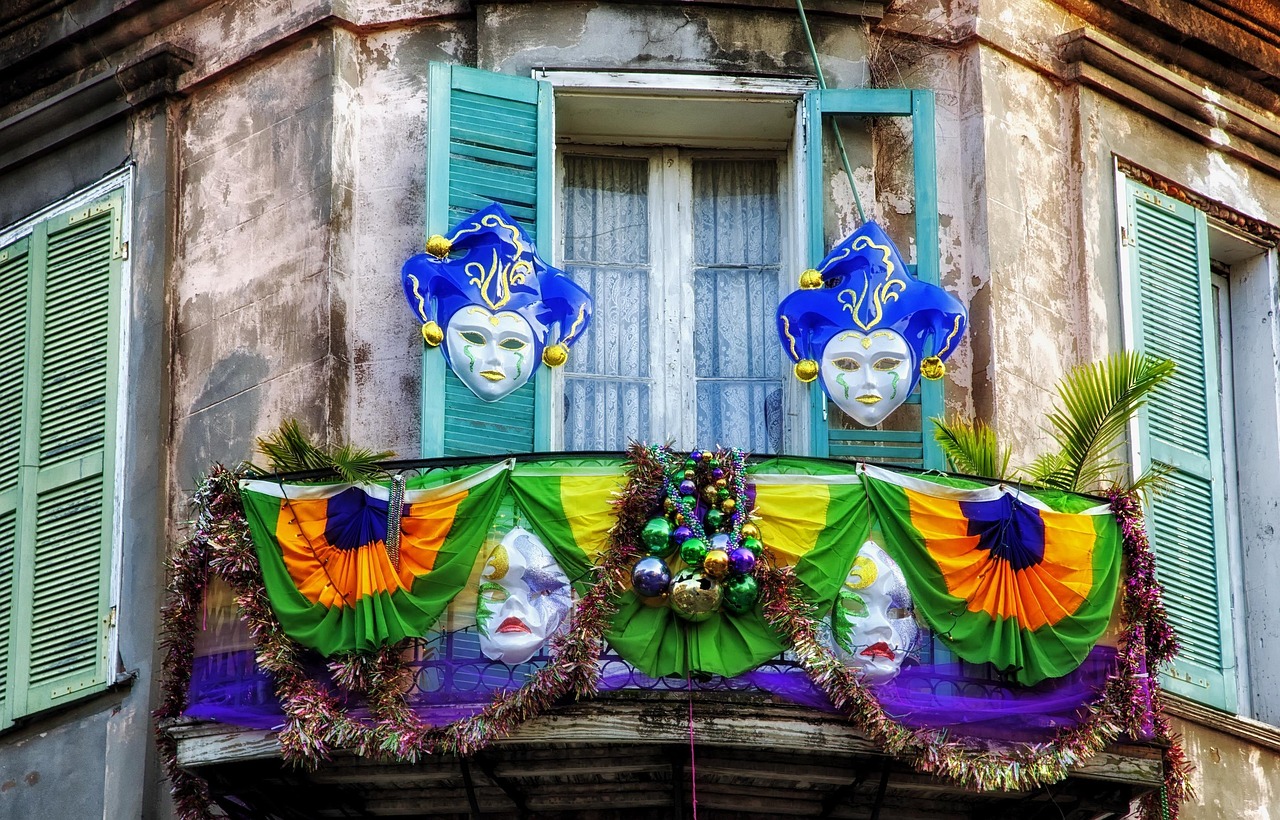
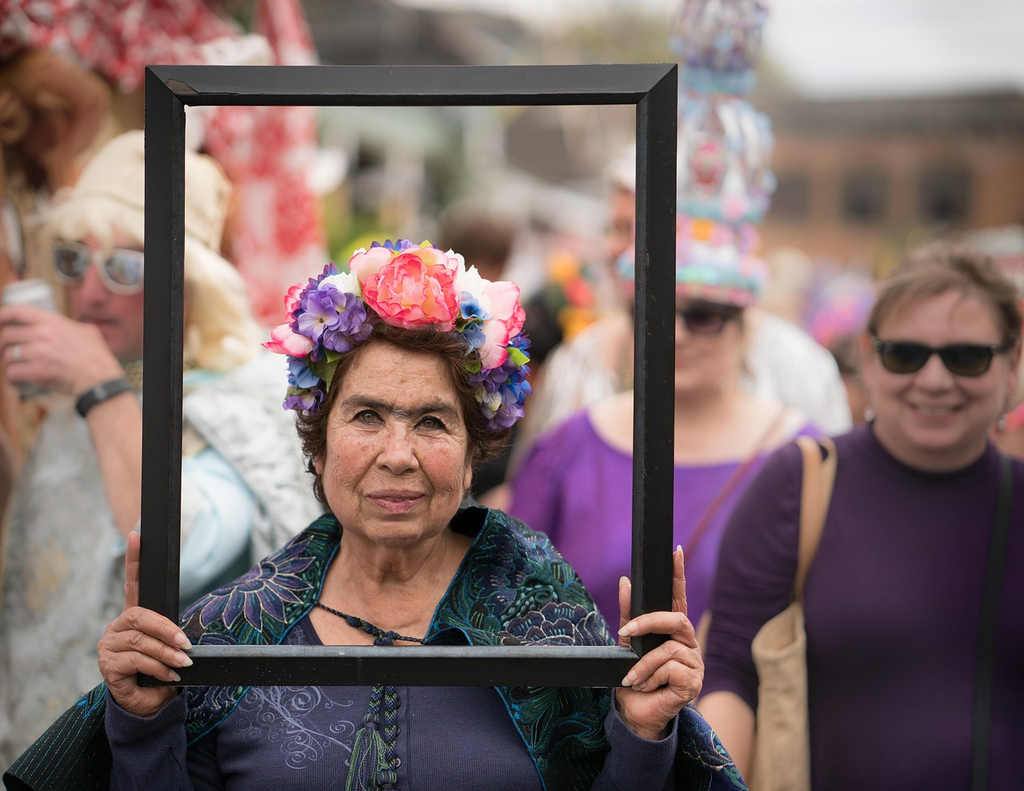
Mardi Gras, also known as "Fat Tuesday," is a festive celebration marking the day before Ash Wednesday and the start of Lent in the Christian calendar. Originating in Europe and famously celebrated in New Orleans, Mardi Gras features lively parades, colorful costumes, music, dancing, and the throwing of beads. The event is known for its vibrant atmosphere, indulgent foods, and traditions that encourage revelry before the solemn season of Lent begins.
What is Mardi Gras?+50
Mardi Gras, also known as "Fat Tuesday," is a festive celebration marking the day before Ash Wednesday and the start of Lent in the Christian calendar. Originating in Europe and famously celebrated in New Orleans, Mardi Gras features lively parades, colorful costumes, music, dancing, and the throwing of beads. The event is known for its vibrant atmosphere, indulgent foods, and traditions that encourage revelry before the solemn season of Lent begins.

💡 Key Takeaways
- Define Mardi Gras and its place within the Carnival season, including its timing on Fat Tuesday and relation to Lent.
- Describe common traditions and activities such as parades, floats, beads, masquerade balls, and the king cake.
- Explain the cultural origins and symbolism (French/Spanish Catholic heritage; colors purple, green, and gold).
- Identify where Mardi Gras is celebrated (e.g., New Orleans) and how celebrations vary across regions.
❓ Frequently Asked Questions
What is Mardi Gras?
Mardi Gras, meaning 'Fat Tuesday' in French, is the final day of the Carnival season, celebrated with parades, masks, beads, and festive foods before the Lenten period.
When does Mardi Gras occur?
The date changes each year; it falls on the Tuesday before Ash Wednesday, typically in February or early March.
What are common Mardi Gras traditions?
Traditions include parades and floats, tossing beads, wearing masks and costumes, and enjoying king cake and brass-band music.
What is a king cake?
A ring-shaped, cinnamon-filled cake decorated in Mardi Gras colors; a small figurine is hidden inside, and the finder is said to host the next celebration.