Model governance refers to the framework of policies, processes, and standards that guide the development, deployment, monitoring, and maintenance of machine learning and artificial intelligence models. It ensures that models are reliable, ethical, transparent, and compliant with regulatory requirements. Model governance involves roles and responsibilities, documentation, risk management, performance monitoring, and regular audits to minimize biases, errors, and unintended consequences, thereby supporting trust and accountability in AI-driven decision-making.
What is model governance?+50
Model governance refers to the framework of policies, processes, and standards that guide the development, deployment, monitoring, and maintenance of machine learning and artificial intelligence models. It ensures that models are reliable, ethical, transparent, and compliant with regulatory requirements. Model governance involves roles and responsibilities, documentation, risk management, performance monitoring, and regular audits to minimize biases, errors, and unintended consequences, thereby supporting trust and accountability in AI-driven decision-making.
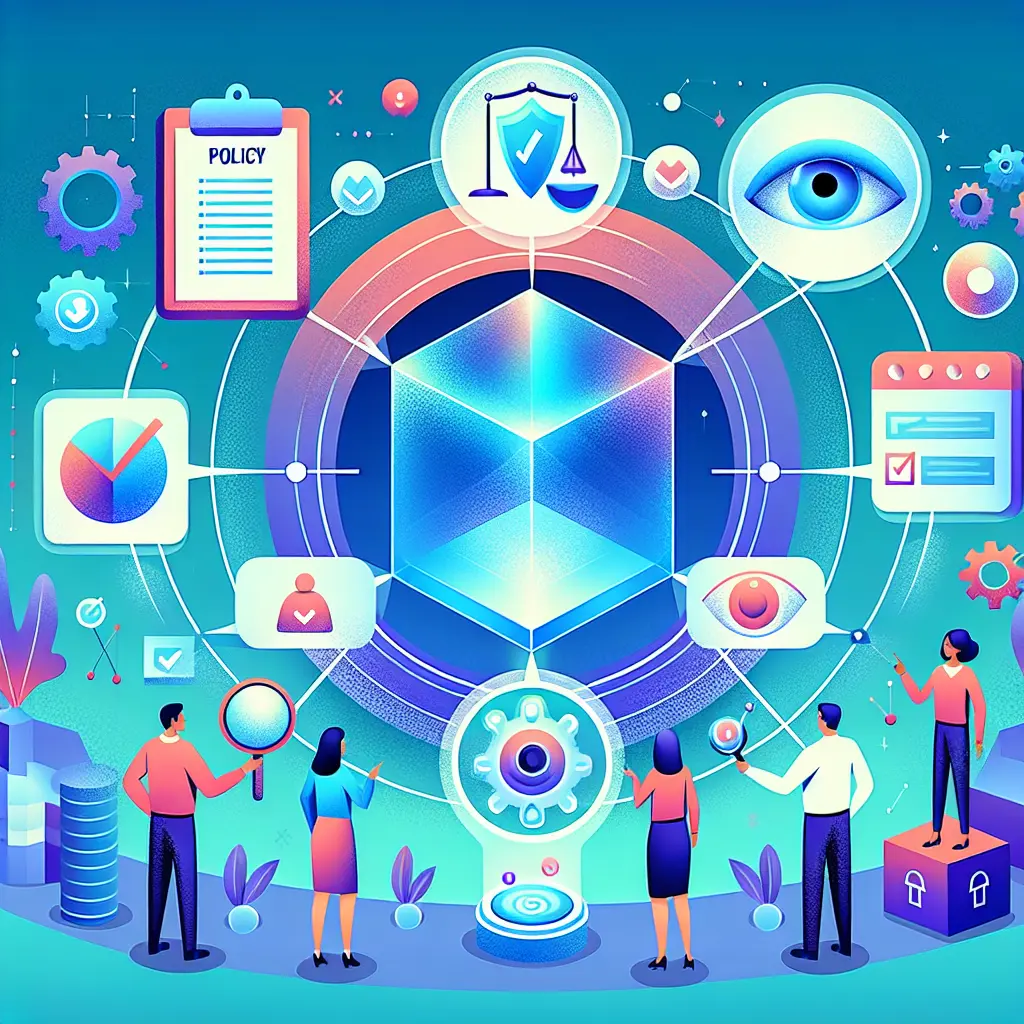
💡 Key Takeaways
- Define model governance and its role across the ML/AI lifecycle.
- Identify the core components: policies, processes, standards, and roles.
- Explain how governance supports ethics, transparency, auditability, and regulatory compliance.
- Describe how ongoing monitoring, maintenance, and change management reduce model risk and sustain performance.
❓ Frequently Asked Questions
What is model governance?
A framework of policies, processes, and standards that guide the development, deployment, monitoring, and lifecycle management of ML/AI models to ensure reliability, safety, ethics, transparency, and regulatory compliance.
Why is model governance important?
It reduces risk from biased or faulty models, ensures accountability, maintains trust, and helps meet legal and organizational requirements.
What are the main components of a model governance framework?
Policy and standards, defined roles and responsibilities, a model registry and documentation, approval workflows, risk assessments, ongoing monitoring and auditing, and change management.
How does model governance relate to ethics and compliance?
It integrates fairness, privacy, explainability, and auditability into the model lifecycle, ensuring models comply with regulations and organizational ethics.