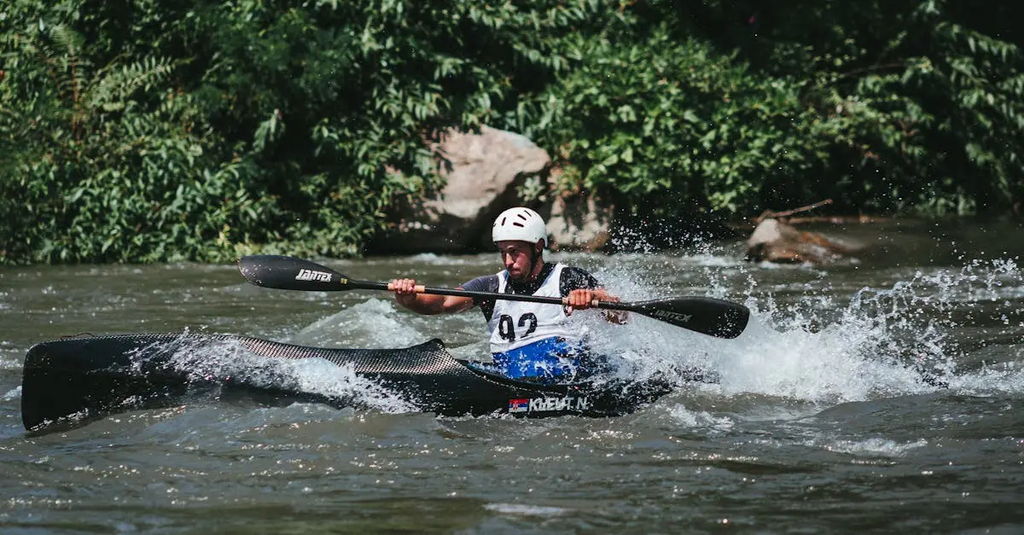
Whitewater rafting and kayaking are adventurous water sports involving navigating rivers with turbulent, fast-moving water. Participants use inflatable rafts or kayaks, working individually or as a team, to paddle through rapids and maneuver around obstacles. These activities require skill, teamwork, and quick reflexes, offering both excitement and a connection with nature. Whitewater rafting and kayaking are popular among thrill-seekers and outdoor enthusiasts seeking adrenaline and scenic river experiences.
Whitewater Rafting and Kayaking
Whitewater rafting and kayaking are adventurous water sports involving navigating rivers with turbulent, fast-moving water. Participants use inflatable rafts or kayaks, working individually or as a team, to paddle through rapids and maneuver around obstacles. These activities require skill, teamwork, and quick reflexes, offering both excitement and a connection with nature. Whitewater rafting and kayaking are popular among thrill-seekers and outdoor enthusiasts seeking adrenaline and scenic river experiences.
💡 Key Takeaways
- Identify the essential gear for whitewater rafting and kayaking and know how to use it safely.
- Apply basic paddling techniques and teamwork cues to navigate rapids effectively.
- Read river features to spot hazards (holes, rocks, strainers) and plan a safe line through rapids.
- Follow essential safety practices, including protective gear, clear communication, and basic self- and buddy-rescue concepts.
- Assess river conditions and make informed routing decisions about whether to continue or back out.
❓ Frequently Asked Questions
What is whitewater rafting and kayaking?
Whitewater rafting uses an inflatable raft for a group to navigate turbulent river rapids, while kayaking uses single- or two-person boats. Both involve paddling to move through rapids and avoid obstacles.
What safety gear is essential?
Wear a personal flotation device (PFD) and a helmet; use appropriate clothing (wetsuit/drysuit as needed); sturdy footwear; and follow instructions from guides and the group.
What skills are important to navigate rapids?
Paddling technique, reading the river for currents and obstacles, timing and communication, balance and bracing, and, for rafting, teamwork and coordinated paddling.
What’s the difference between rafting and kayaking in practice?
Rafting is typically a team activity using a larger raft steered by coordinated paddling, while kayaking is usually solo or with a small crew and involves more individual control.
How should you prepare for a whitewater trip?
Choose a river appropriate for your skill level, ride with a qualified guide or instructor if new, attend safety briefings, check equipment, and dress for the conditions.