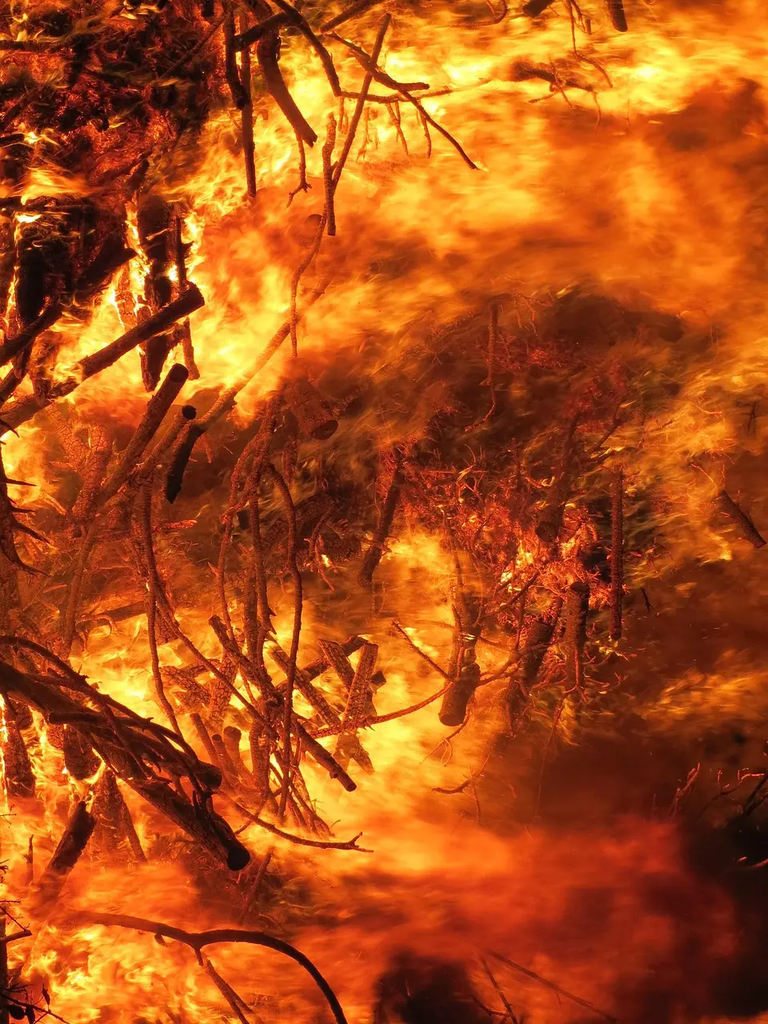
Wildfire production and use refers to the intentional creation and management of wildfires for specific purposes, such as land clearing, ecosystem management, or agricultural benefits. This practice, often called prescribed burning, helps control vegetation, reduce fuel loads, and maintain ecological balance. However, if not carefully managed, it can lead to uncontrolled wildfires, environmental damage, and air pollution, highlighting the importance of proper planning and oversight in wildfire use.
Wildfire Production and Use
Wildfire production and use refers to the intentional creation and management of wildfires for specific purposes, such as land clearing, ecosystem management, or agricultural benefits. This practice, often called prescribed burning, helps control vegetation, reduce fuel loads, and maintain ecological balance. However, if not carefully managed, it can lead to uncontrolled wildfires, environmental damage, and air pollution, highlighting the importance of proper planning and oversight in wildfire use.
💡 Key Takeaways
- Identify common natural and human ignition sources and the weather, fuel, and topography that drive wildfire spread.
- Explain how wildfire behavior is influenced by fuel load, moisture, wind, and terrain.
- Understand how fire is used in land management, including prescribed burns and ecological benefits and risks.
- Describe the ecological roles of fire (rejuvenation, nutrient cycling, habitat) and the trade-offs with air quality and safety.
- Recognize basic safety and management concepts for wildfires, including planning, suppression tactics, and timing of controlled burns.
❓ Frequently Asked Questions
What is a wildfire?
A wildfire is an uncontrolled outdoor fire that spreads through vegetation. It can start from natural causes like lightning or human activities and can vary in size and intensity.
What factors influence how a wildfire starts and spreads?
Weather (temperature, humidity, wind), fuels (type and moisture of vegetation), and terrain (slope) determine fire behavior and spread.
How are wildfires used in land management?
Controlled or prescribed burns are planned fires used to reduce fuel buildup, recycle nutrients, control invasive species, and support fire-adapted ecosystems.
What safety considerations are important regarding wildfires?
Stay informed with local alerts, follow official evacuation orders, and be aware of conditions that increase risk. Avoid starting outdoor fires during high-risk periods.